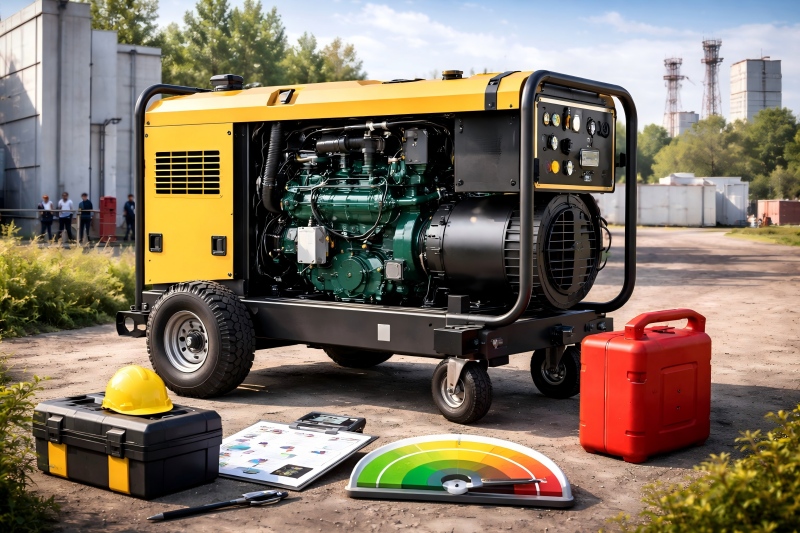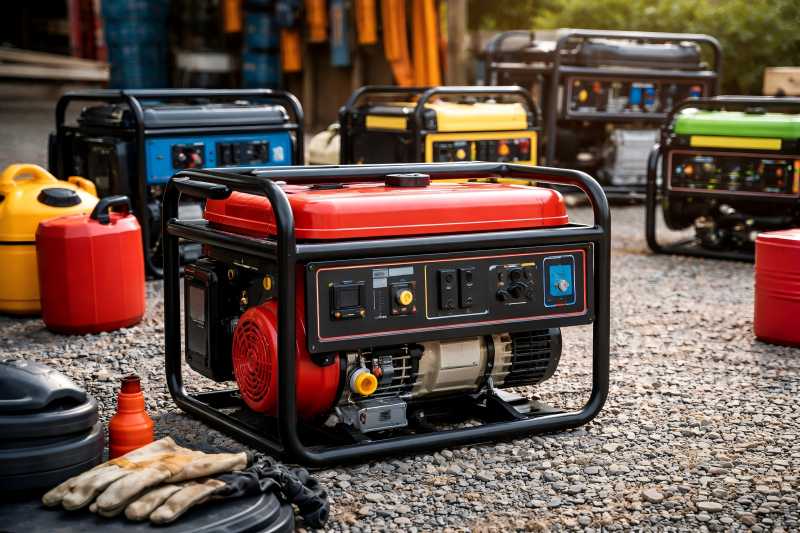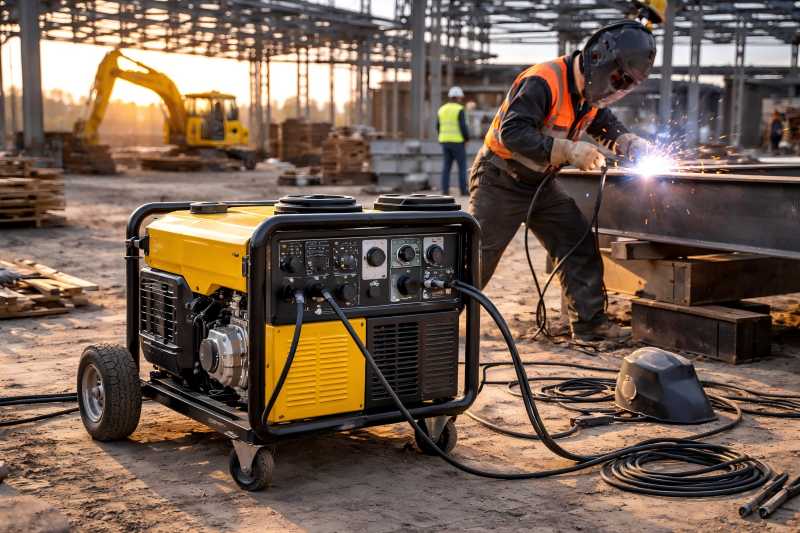
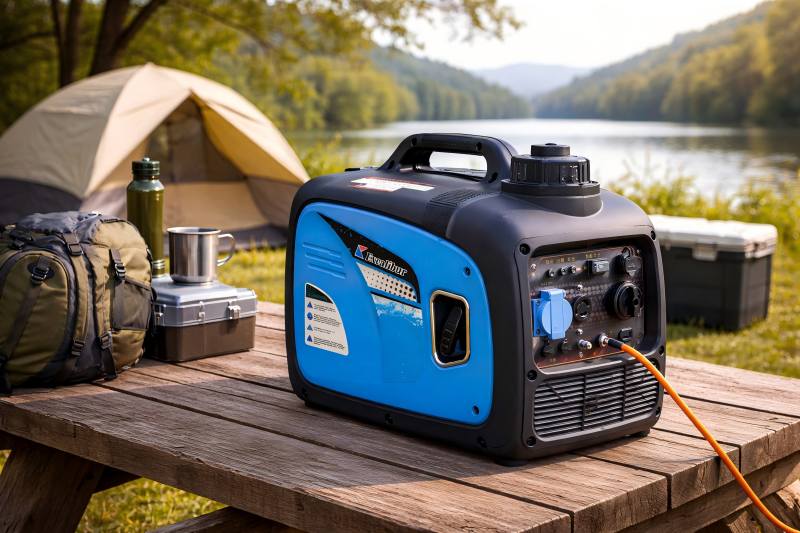
Unlike traditional generators that focus mainly on raw power output, inverter generators are designed to deliver intelligent, clean, and efficient electricity tailored to real-world usage conditions.
Benefit 1: Stable Power That Protects Sensitive Electronics
Why Power Quality Matters
Modern life depends heavily on sensitive electronic devices—laptops, smartphones, televisions, medical equipment, routers, and smart home systems. These devices require stable voltage and frequency to function correctly. Unstable power can disrupt operation, corrupt data, and permanently damage electronic components.
Traditional generators produce “raw” alternating current (AC), and voltage or frequency may fluctuate as loads change. This inconsistency can be harmful to electronics.
How Inverter Generators Deliver Clean Power
Inverter generators use a three-step process:
- Generate high-frequency AC power
- Convert it to direct current (DC)
- Invert it back into a precise, stable AC output
This process results in electricity with very low total harmonic distortion (THD)—often below 3%, comparable to utility grid power.
Practical Benefits
- Safe for laptops, phones, and gaming systems
- Ideal for medical devices and diagnostic equipment
- Prevents premature electronic failure
- Reduces repair and replacement costs
By providing utility-grade power, inverter generators protect your valuable electronics and extend their service life.
Benefit 2: Superior Fuel Efficiency and Lower Operating Costs
Variable Engine Speed: The Key Advantage
Instead of running at constant RPM, inverter generators adjust engine speed to actual power needs, reducing unnecessary fuel use during light loads.
Real-World Fuel Savings
In typical use cases—powering lights, charging devices, running a refrigerator—the generator rarely operates at full capacity. Inverter technology ensures fuel is consumed only when needed.
Long-Term Economic Impact
Fuel efficiency translates directly into:
- Lower fuel consumption per kilowatt-hour
- Reduced refueling frequency
- Lower long-term operating expenses
Over months or years of use, these savings can outweigh the higher upfront cost of an inverter generator.
Environmental Benefit
Using less fuel also means:
- Reduced carbon dioxide emissions
- Lower fossil fuel dependency
- Smaller environmental footprint
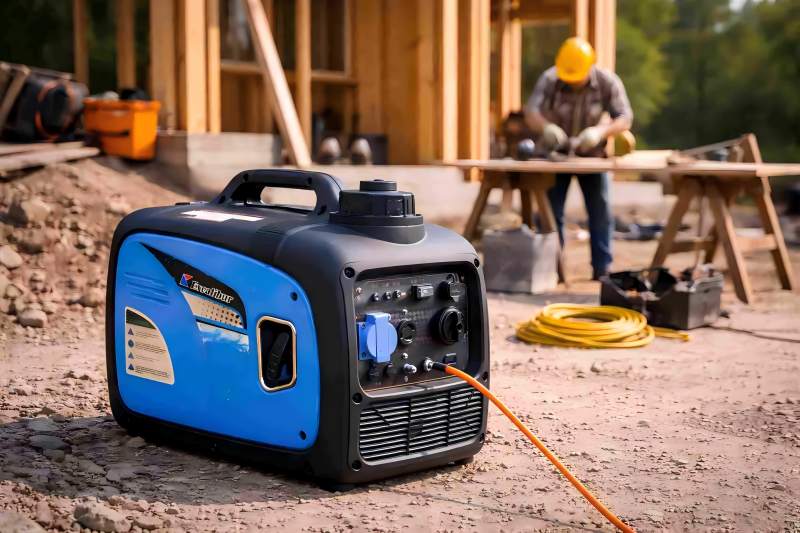
Benefit 3: Quiet Operation and Reduced Noise Pollution
Noise as a Modern Concern
Noise pollution is increasingly regulated in residential areas, campgrounds, parks, and urban environments. Loud generators can disturb neighbors, wildlife, and work environments.
Traditional generators often operate at high RPMs continuously, producing noise levels similar to heavy traffic or construction equipment.
Why Inverter Generators Run Quieter
Inverter generators bring together:
- Variable engine speed
- Advanced muffler systems
- Sound-insulated enclosures
As a result, they produce significantly lower noise levels, especially at low to moderate loads.
Practical Advantages
- Suitable for nighttime operation
- Ideal for camping and RV use
- Accepted in noise-restricted environments
- Improved comfort for users and nearby people
Quiet operation delivers essential usability benefits in today’s modern environments.
Benefit 4: Compact Size and Excellent Portability
Designed for Mobility
Built for mobility, inverter generators are smaller and lighter, offering convenient portability compared with bulky, heavy conventional generator designs.
- Smaller
- Lighter
- Ergonomically designed
Many include built-in handles or wheel kits, making transportation simple.
Where Portability Matters
Portability is especially valuable for:
- Campers and RV owners
- Outdoor events and festivals
- Mobile contractors
- Emergency responders
A compact generator can be easily stored, transported in a car, or carried to remote locations.
Space-Saving Storage
Smaller size also means:
- Less storage space required
- Easier indoor storage (when properly ventilated and fuel-safe)
- Better fit for vehicles, RV compartments, and sheds
Benefit 5: Environmentally Friendly Operation
Lower Emissions Through Efficiency
Inverter generators are inherently more eco-friendly due to their efficient fuel usage and optimized combustion. By running only as fast as necessary, they produce fewer exhaust emissions than conventional generators.
Reduced Environmental Impact
Environmental benefits include:
- Lower greenhouse gas emissions
- Reduced carbon monoxide output
- Less noise pollution affecting wildlife and communities
Many inverter generators comply with strict emissions regulations in various regions, making them suitable for environmentally sensitive areas.
Sustainability Beyond Emissions
Clean power output also helps reduce electronic waste by protecting connected devices from power damage, supporting broader sustainability goals.
Benefit 6: Flexible Scalability and Smart Features
Parallel Operation Capability
A unique feature of many inverter generators is parallel operation. Users can connect two identical units to double available power when demand increases, then disconnect one when demand decreases.
This flexibility allows users to:
- Scale power output as needed
- Avoid oversized generators
- Improve fuel efficiency
Advanced Safety and Control Features
Inverter generators often include modern protections and smart controls:
- Overload protection
- Low-oil shutdown
- Voltage regulation
- Digital displays for load monitoring
These features enhance safety, reliability, and overall user convenience.
Inverter Generators vs Conventional Generators
| Feature | Inverter Generator | Conventional Generator |
| Power Quality | Clean, stable, low THD | Fluctuating |
| Fuel Efficiency | High, load-dependent | Low to moderate |
| Noise Level | Low | High |
| Portability | Excellent | Limited |
| Electronics Safety | Excellent | Limited |
| Environmental Impact | Low | Higher |
Benefits by Application Scenario
Addressing Common Concerns About Inverter Generators
Higher Initial Cost
It is true that inverter generators often cost more upfront. However, when fuel savings, reduced maintenance, and longer electronic lifespan are considered, total cost of ownership is frequently lower.
Lower Maximum Power Output
Inverter generators are not designed for heavy industrial machinery. However, for the vast majority of residential, recreational, and light commercial needs, their output is more than sufficient—and scalable via parallel operation.
The Growing Role of Inverter Generators in Modern Power Systems
With smarter, decentralized energy use, inverter generators pair seamlessly with advanced power systems:
- Solar power systems
- Battery storage solutions
- Hybrid backup systems
Their clean power output and intelligent control make them ideal companions for renewable energy technologies.
Benefits by Application Scenario
| Application | Key Benefit of Inverter Generators |
| Home Backup | Clean power, quiet operation |
| Camping & RVs | Portability, low noise |
| Outdoor Events | Noise compliance, stable power |
| Emergency Response | Fuel efficiency, reliability |
| Electronics Use | Safe, utility-grade electricity |
Conclusion
Inverter generators represent a major evolution in portable and backup power generation. Their six core benefits—clean power, fuel efficiency, quiet operation, portability, environmental friendliness, and smart scalability—directly address the shortcomings of traditional generators.
For users who value efficiency, reliability, and modern usability, inverter generators are not just an alternative—they are often the best solution. While they may not replace heavy-duty generators in industrial environments, they excel in the applications that define today’s power needs.
As technology advances and sustainability becomes a priority, inverter generators are poised to play an increasingly important role in how we generate and use electricity—quietly, efficiently, and responsibly.