Concrete scarifiers are essential tools for surface preparation, offering a solution for both light and heavy-duty tasks such as removing coatings, leveling floors, and creating traction surfaces.
The scarifier blade, a pivotal component in this process, directly affects the efficiency, precision, and outcome of the work. Selecting the right blade type depends on understanding the concrete composition, the surface condition, and the desired finish.
What Is a Scarifier Blade?
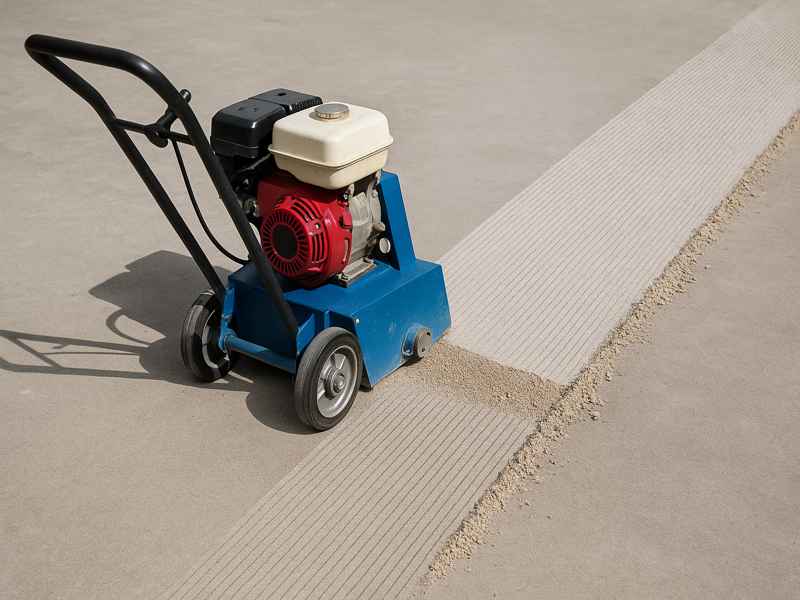
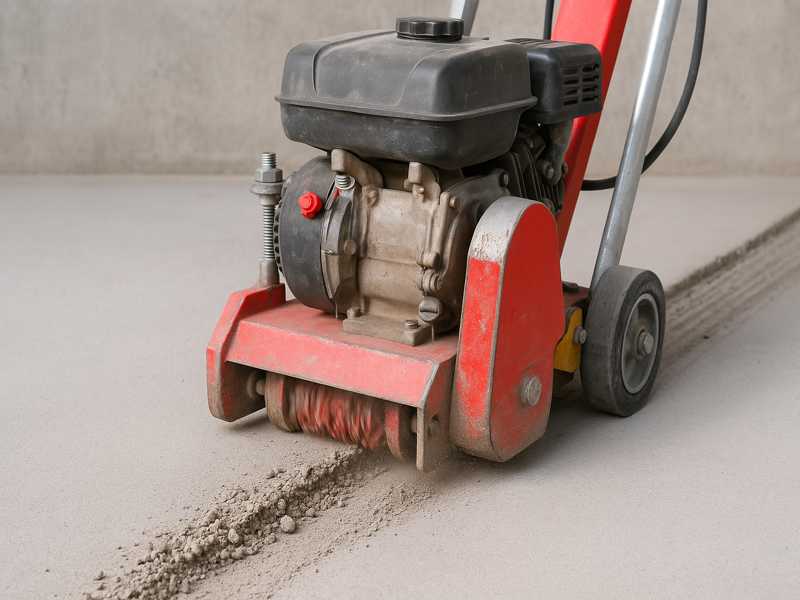
A scarifier blade is a specialized cutting tool used in a concrete scarifier machine, designed to aggressively remove material from the surface of concrete floors. The blade is mounted on a rotating drum and, as the drum spins, the blades dig into the concrete, effectively grinding, chipping, and scraping the surface.
Scarifier blades are also referred to as cutter drums or flails, and they come in different configurations depending on the application. The core function of a scarifier blade is to remove concrete, coatings, or other surface materials to prepare it for further treatments like resurfacing, coating, or polishing.
How Scarifier Blades Work
The operation of a scarifier blade is both mechanical and aggressive. Here’s a breakdown of how it works:
- Rotation of Drum: The scarifier’s drum spins at a high speed, often in excess of 2,000 RPM depending on the machine type. Rotational speed critically determines the blade’s concrete removal performance.
- Impact on Surface: As the rotating blades come into contact with the surface, they break the concrete or coating apart, similar to the action of a jackhammer but with a more controlled depth.
- Material Removal: The scarifier removes material by progressively scraping off thin layers, which results in a uniformly smooth or textured surface, depending on the blade type and drum settings.
The depth of cut is typically adjustable on most machines, allowing for different levels of material removal. High-speed drums are ideal for light tasks such as surface preparation, while slower speeds and more aggressive blades are needed for deep cutting or heavy-duty projects.
Types of Scarifier Blades
Understanding the different types of scarifier blades will help you choose the best one for your specific task. Below are the most common types:
Standard Blades
- Best for: General surface removal
- Description: These blades have a flat profile with multiple cutting edges designed to provide balanced performance across a variety of tasks.
- Pros: Versatile, good for medium-duty applications
- Cons: Not ideal for heavy-duty tasks
Hook/Knife Blades
- Best for: Coating or paint removal
- Description: These blades have a hook-shaped edge that allows for scraping action, making them effective for removing paints, glues, and light coatings.
- Pros: Efficient for non-abrasive materials
- Cons: Not suitable for deep cutting into concrete or abrasive surfaces
Carbide-Tipped Blades
- Best for: Hard surfaces and extended life
- Description: These blades are fitted with carbide tips (usually on the cutting edge) that are significantly more durable than regular steel.
- Pros: Last longer, ideal for tougher surfaces, maintains cutting efficiency
- Cons: Higher cost
Tungsten Carbide Blades
- Best for: Extremely abrasive applications
- Description: These blades are designed for heavy-duty, abrasive environments. The blade features a solid tungsten carbide construction or carbide inserts.
- Pros: Excellent durability, ideal for industrial-grade jobs, lasts significantly longer than other types
- Cons: Very high cost
Specialty Blades
- Grooving Blades: Designed to create deep grooves in concrete for traction or drainage.
- Profile Blades: These are used to create custom shapes or textures in the concrete surface.
Blade Material and Application
| Blade Material | Durability | Best For | Cost |
| High-Speed Steel (HSS) | Low | Soft surfaces, light cleaning | Low |
| Carbide-Tipped Steel | Medium–High | General concrete scarifying | Medium |
| Tungsten Carbide | Very High | Hard, abrasive concrete | High |
| Specialty Grooving | Medium–High | Traction/texturing applications | Medium–High |
Blade Material and Durability
Concrete Scarifier blade material strongly impacts performance and service life—here are the common options, pros, and cons.
High-Speed Steel (HSS)
- Durability: Low
- Best For: Soft, uncoated concrete
- Pros: Lower cost, lightweight, easy to replace
- Cons: Quick wear on harder concrete surfaces
Carbide-Tipped Steel
- Durability: Medium–High
- Best For: General concrete scarifying, commercial or residential jobs
- Pros: Long-lasting, more efficient than standard steel
- Cons: More expensive than basic steel blades
Tungsten Carbide
- Durability: Very High
- Best For: Tough, abrasive concrete
- Pros: Exceptional wear resistance, longer lifespan
- Cons: Premium cost
The choice of blade material should align with the type of concrete surface you plan to work with. For softer surfaces, standard high-speed steel may suffice, but for harder, abrasive concrete, carbide-tipped or tungsten carbide blades are essential for optimal performance.
Matching Blade Type to Concrete Surface
Smooth Concrete
- Blade Type: Standard or carbide-tipped blades
- Application: Ideal for removing light coatings or laitance
- Recommendation: Choose a carbide-tipped blade for better longevity and faster results.
Hard or Abrasive Concrete
- Blade Type: Tungsten carbide blades
- Application: Best for deep-cutting or when working with extremely abrasive surfaces
- Recommendation: Choose tungsten carbide blades for superior performance and long-lasting durability.
Coating Removal
- Blade Type: Hook/Knife blades
- Application: Best suited for the removal of paint, adhesives, or light coatings
- Recommendation: Choose hook blades for their scraping ability.
Texturing for Traction
- Blade Type: Specialty grooving blades
- Application: Creating traction surfaces for safety or drainage purposes
- Recommendation: Use grooving blades to create traction patterns effectively.
Blade Type vs. Task
| Blade Type | Coating Removal | Surface Leveling | Texturing | Heavy Abrasion |
| Standard | Moderate | Moderate | Low | Low |
| Hook/Knife | High | Low–Moderate | Low | Low |
| Carbide-Tipped | High | High | Moderate | Moderate–High |
| Tungsten Carbide | Very High | Very High | Moderate | Very High |
| Specialty Grooving | Low | Low | Very High | Low |
Cutter Configuration & Drum Speed
The arrangement of blades on the scarifier drum and the speed at which the drum rotates both affect performance. Optimize these factors like this:
Blade Configuration
- Row Spacing: The number of blade rows impacts the smoothness of the finish. A higher number of rows produces a smoother, more even surface, while fewer rows are better for heavy-duty removal.
- Blade Spacing: Spacing determines the depth of the cut. For deeper cuts, wider spacing can be used, but it may also leave more marks on the surface.
Drum Speed
- High-Speed Drums: Best for light surface cleaning and coating removal. Ideal when you want to remove only the top layers of the surface.
- Low-Speed Drums: Better for heavy-duty material removal. They allow the blades to dig deeper into tough surfaces, resulting in more aggressive surface preparation.
When to Replace Scarifier Blades
The longevity of your scarifier blade depends on the frequency of use, surface hardness, and the material being cut. Replace your blades when:
- Reduced Cutting Performance: If the scarifier struggles to remove material effectively, it’s time to inspect and replace the blades.
- Excessive Vibration: This can indicate that blades are worn or unevenly spaced.
- Blades are Chipped or Damaged: Visible damage can cause the blade to perform inefficiently or damage the concrete surface.
Safety and Best Practices
Scarifying concrete involves significant physical force and can create dust, debris, and noise. Follow these safety tips:
- Personal Protective Equipment (PPE): Always wear eye protection, gloves, dust masks, and ear protection.
- Dust Control: Use vacuum attachments or wet methods to control airborne dust.
- Machine Inspection: Regularly check the machine and blades before use. Ensure the drum is securely mounted and the blades are properly installed.
- Blade Change: Follow the manufacturer’s instructions for safely changing blades to prevent accidents.
Conclusion
Choosing the right scarifier blade ensures efficient, cost-effective surface preparation and consistently high-quality results. The correct blade type, material, and configuration ensure optimal performance and longevity, reducing downtime and improving the outcome of your work. Whether you’re removing coatings, leveling a floor, or creating traction surfaces, matching the blade to the task and surface will make all the difference.
When in doubt, consult the manufacturer’s recommendations for both the scarifier machine and the blades to ensure compatibility and optimal results.