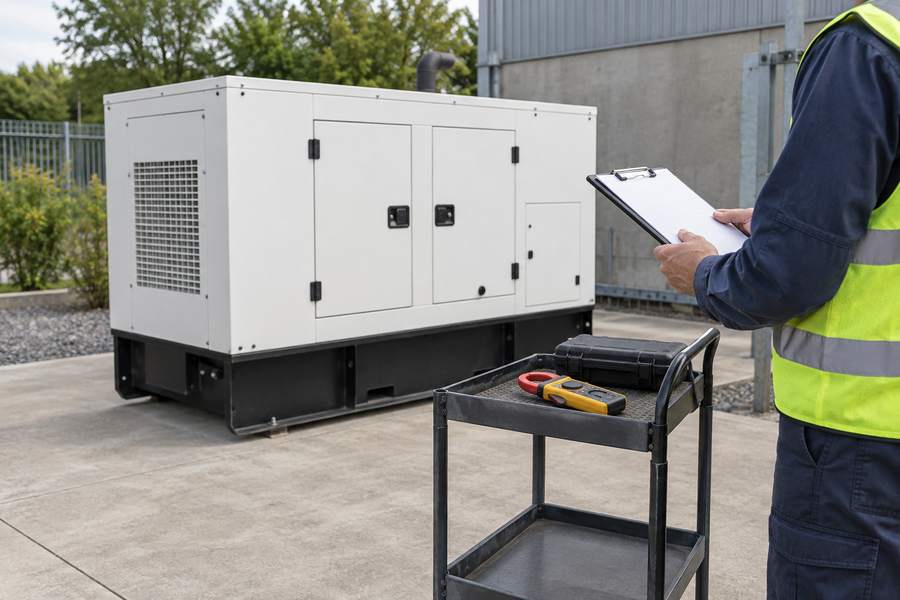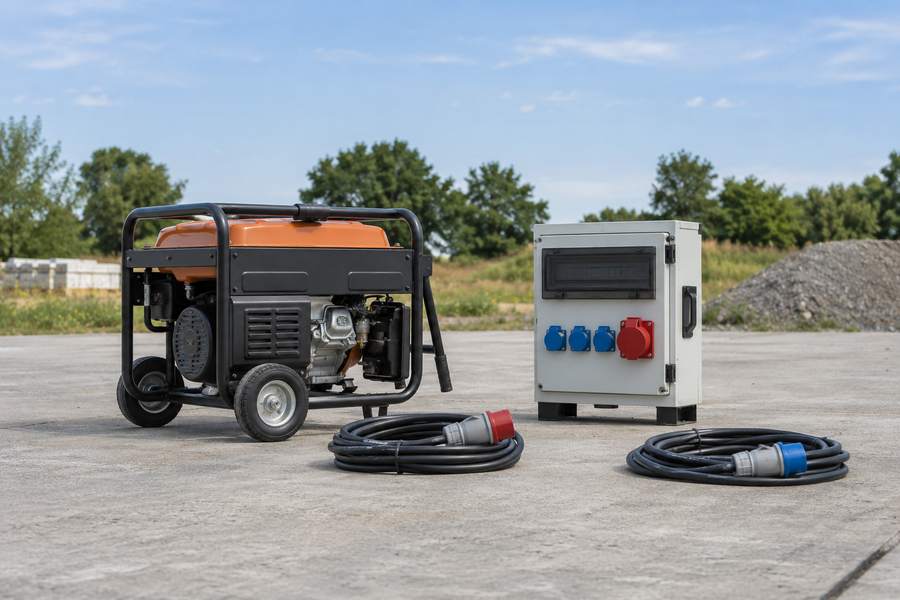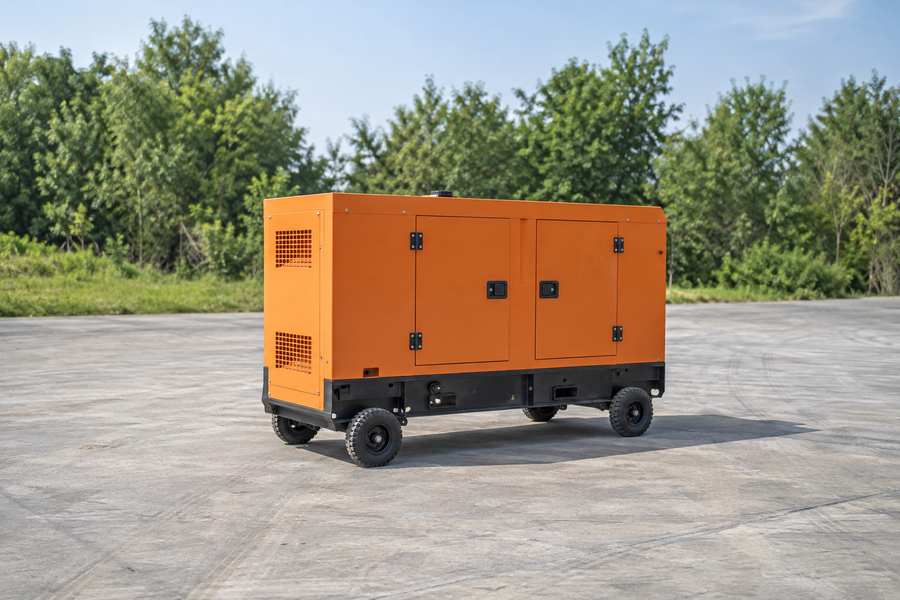
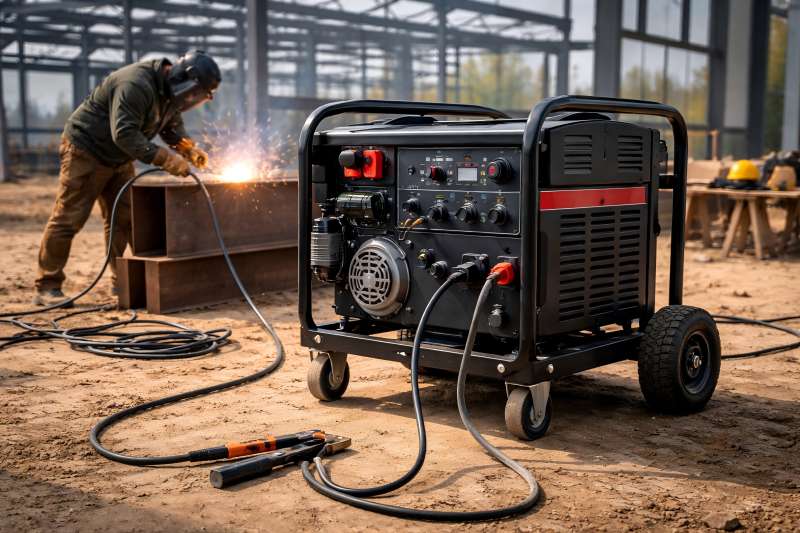
A welder generator is a powerful and versatile tool used for welding and other heavy-duty tasks in construction, maintenance, and manufacturing. It combines a welding machine with a portable generator, allowing you to weld in remote locations without access to grid power. In this article, we will explore how to use a welder generator safely and effectively, covering everything from setup to maintenance, and offer tips on making the most of this essential tool.
What is a Welder Generator?
A welder generator is a hybrid machine that serves two primary functions:
- Welding: It is equipped with a welding power source, which allows you to join metals by creating an electric arc between the electrode and the workpiece.
- Electricity Generation: It includes a generator, which provides electrical power for other tools or devices when not used for welding.
The combination of these two capabilities makes welder generators a go-to solution for welding in outdoor environments, construction sites, or remote locations where traditional power sources are unavailable.
Key Components of a Welder Generator
Understanding the basic components of a welder generator is essential before using it. Here are the essential parts:
- Engine: Provides the power needed for both welding and generating electricity.
- Welding Output: This is the power that is used for welding operations. It can be adjusted to fit the specific requirements of the task.
- Generator Output: This part generates electrical power for external devices or tools.
- Control Panel: Enables voltage and current adjustments for welding while tracking engine performance.
- Cooling System: Keeps the welder generator from overheating during use.
Key Welding Processes for Welder Generators
| Welding Process | Features | Best Applications |
| Stick Welding (SMAW) | Simple, versatile, ideal for outdoor use, uses consumable electrodes. | Heavy-duty, construction, metal repair |
| TIG Welding (GTAW) | Produces precise, high-quality welds, uses a non-consumable tungsten electrode. | Thin materials, aerospace, automotive industries |
| MIG Welding (GMAW) | Fast, efficient, uses a wire feed. | Industrial, production line welding |
How to Set Up a Welder Generator
Proper setup ensures that you can work safely and efficiently with your welder generator. Follow these steps for setting it up:
Choosing the Right Location
- Ensure proper ventilation for the machine, as it may overheat; avoid confined spaces with limited airflow.
- For outdoor use, ensure the welder generator is placed on dry ground to prevent electrical risks.
Fueling the Welder Generator
- Welder generators usually run on gasoline or diesel; use the recommended fuel.
- Before filling, make sure the engine is turned off and cool. Refer to the user manual for correct fuel capacity and filling instructions.
Connecting the Ground Clamp
- Use fresh fuel to avoid clogging and ensure efficient engine performance and safe current return.
- The ground clamp is an essential safety feature, as it prevents the risk of electrocution during the welding process.
Connecting the Welding Leads
- Attach the positive and negative welding leads to the welder’s output terminals.
- Choose the correct type of welding electrode or wire depending on the material you are welding.
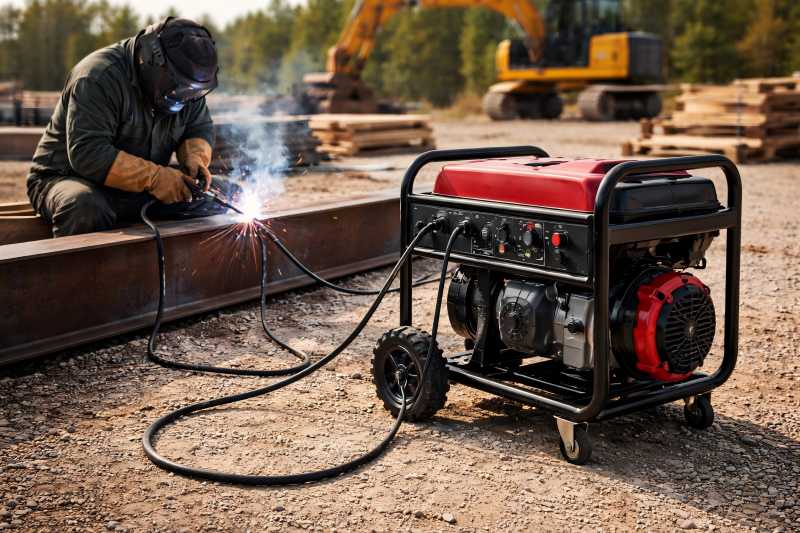
Starting the Welder Generator
Starting the Engine
- Turn the fuel valve on.
- Turn the engine switch to the “ON” position.
- Start the engine by pulling the rope or pressing the button.
Adjusting the Welding Settings
- Set the current and voltage on the control panel according to the electrode or wire type.
- The settings for stick welding, TIG welding, and MIG welding may vary.
- Consult the manual for optimal settings.
Checking the Generator Output
If you need to use the generator to power other equipment, check the output voltage and amperage to ensure it meets the requirements of the tool or device you’re powering.
Plug the equipment into the generator’s power outlets and check for a stable power supply.
Welding with the Welder Generator
Once the setup is complete, you can begin welding with the welder generator. Follow these steps for safe and effective welding:
Wearing Protective Gear
Always wear gloves, welding helmet, long sleeves, and protective footwear for safety. This protects you from welding arcs, spatter, and heat.
Initiating the Weld
- Hold the welding electrode holder in one hand and bring the electrode near the workpiece.
- Strike the electrode to create the arc. This is the process where the welding electrode melts and joins the workpieces.
- Keep the arc steady while moving the electrode along the joint. Make sure the weld bead is consistent and smooth.
Adjusting the Welding Speed
- The welding speed is crucial to achieving a strong and clean weld. Welding too fast weakens the joint; too slow causes overheating.
- Practice on scrap metal before starting your actual project to determine the right speed and technique for your welding project.
Maintaining the Welder Generator
Routine maintenance is necessary to keep your welder generator functioning properly and ensure its longevity. Here are some key maintenance tasks:
Regular Oil Checks and Changes
- Regularly monitor and replace oil as per manufacturer’s instructions. This will keep the engine running smoothly.
- Use the correct oil grade and follow the guidelines in the user manual.
Air Filter Cleaning and Replacement
- The air filter provides clean air for combustion; clean it regularly for efficiency.
- Replace the filter when damaged or excessively worn for optimal performance.
Cleaning the Cooling System
Clean any debris from the cooling fins or radiator to ensure effective heat dissipation.
Fuel System Maintenance
- Drain and replace the fuel periodically, especially if the machine is not in regular use. Stale fuel can cause engine problems.
- Clean the fuel system to prevent blockages and fuel inefficiencies.
Safety Precautions When Using a Welder Generator
Using a welder generator requires strict adherence to safety standards to avoid accidents and injuries:
- Never weld in a wet environment. Welding and electricity do not mix with water, so always ensure that your work area is dry.
- Do not bypass safety features. Always use the machine according to the manufacturer’s guidelines, including the grounding system and proper cable management.
- Keep flammable materials away. Store fuel and any welding equipment in designated areas away from open flames or sparks.
- Operate in well-ventilated spaces. Welding produces fumes that can be harmful if inhaled for prolonged periods. Always work in a well-ventilated area.
A welder generator is a versatile and essential tool for anyone working in the welding industry, especially in remote or outdoor environments. By understanding how to properly set up, operate, and maintain the machine, you can ensure safe and efficient welding operations.
Remember to always follow safety protocols and wear protective gear when welding. These tips will help you master using a welder generator.