Among the many design choices in diesel generators, engine configuration—specifically single-cylinder versus two-cylinder—plays a decisive role in performance, durability, efficiency, noise, cost, and application suitability.
On the surface, the difference seems uncomplicated—one engine is built around a single cylinder, whereas the other operates with two. In reality, this structural distinction affects combustion dynamics, mechanical balance, power delivery, maintenance requirements, and long-term operating behavior.
Choosing the wrong configuration can lead to unnecessary fuel consumption, excessive vibration, or higher lifecycle costs.
Cylinder Configuration in Diesel Generators
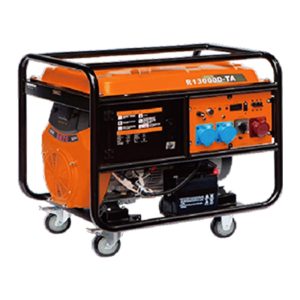
What Is a Single-Cylinder Diesel Generator?
A single-cylinder diesel generator uses one combustion chamber (cylinder) in which fuel ignition, power generation, and exhaust occur. Each combustion cycle produces rotational force that turns the crankshaft, which in turn powers the alternator.
Key characteristics:
- One piston, one connecting rod, one cylinder
- Simpler mechanical structure
- Lower engine speed in many designs
- Common in small-capacity generators (typically below 10–15 kW)
Single-cylinder generators are valued for their straightforward design, durable construction, and cost-effective pricing.
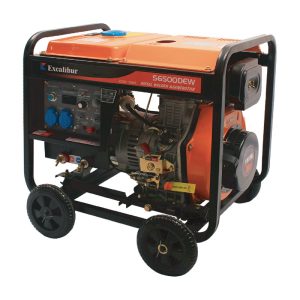
What Is a Two-Cylinder Diesel Generator?
A two-cylinder diesel generator uses two cylinders operating in a coordinated firing sequence. Power strokes are distributed more evenly across crankshaft rotation, resulting in smoother torque delivery.
Key characteristics:
- Two pistons and cylinders
- Improved mechanical balance
- Higher potential power output
- Common in medium-capacity generators (10–40 kW and beyond)
Two-cylinder engines bridge the gap between basic utility power and more refined, continuous-duty systems.
Power Output and Performance Characteristics
Power Delivery in Single-Cylinder Engines
Single-cylinder diesel engines produce intermittent power pulses—one combustion event per engine cycle. While the flywheel smooths rotation, torque fluctuations are more pronounced.
Implications:
- Suitable for steady, moderate loads
- Less ideal for sudden load changes
- Lower peak power capability
Power Delivery in Two-Cylinder Engines
Two-cylinder engines fire alternately, providing:
- More frequent power strokes
- Smoother crankshaft rotation
- Improved load-handling capability
This makes two-cylinder generators better suited for:
- Variable electrical loads
- Motor-driven equipment
- Longer continuous operation
Mechanical Balance and Vibration
Vibration in Single-Cylinder Generators
Single-cylinder engines inherently generate higher vibration due to:
- Unbalanced reciprocating mass
- Large torque fluctuations
- Single combustion event per cycle
Although counterweights and mounts reduce vibration, it remains a defining trait.
Vibration in Two-Cylinder Generators
Two-cylinder engines achieve better balance through:
- Opposing or staggered piston movement
- Reduced torque ripple
- More even rotational forces
This results in:
- Lower vibration
- Reduced stress on generator frame
- Longer service life for components
Noise Characteristics
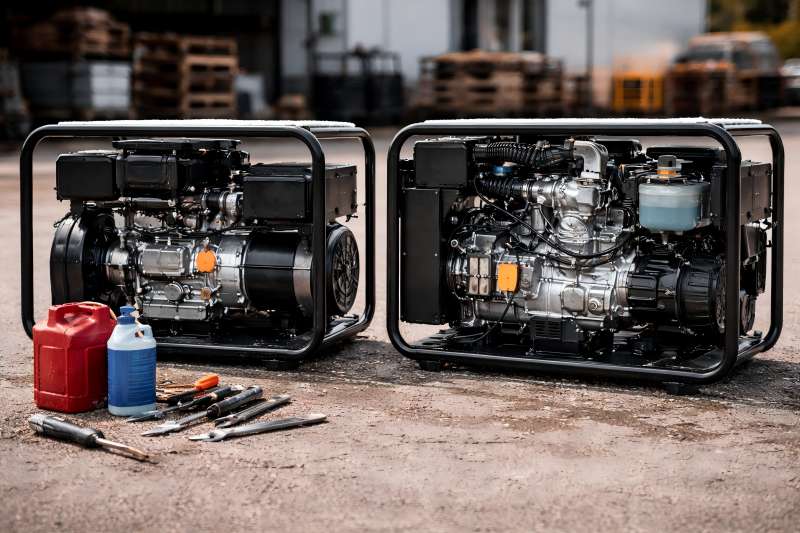
Noise is closely tied to combustion frequency and vibration.
| Aspect | Single-Cylinder Generator | Two-Cylinder Generator |
| Combustion frequency | Low | Higher |
| Vibration-induced noise | High | Lower |
| Sound quality | Rough, pulsating | Smoother, steadier |
| Noise control needs | Higher | Lower |
Two-cylinder generators are easier to integrate into silent or soundproof enclosures, making them more suitable for noise-sensitive environments.
Fuel Efficiency and Combustion Behavior
Fuel Efficiency at Low Loads
Single-cylinder generators often perform well at low to moderate loads, where:
- Engine speed remains stable
- Mechanical losses are minimal
- Fuel injection is straightforward
This makes them fuel-efficient for light-duty or intermittent use.
Fuel Efficiency at Higher Loads
Two-cylinder generators excel at:
- Medium to high loads
- Continuous-duty operation
- Stable combustion under variable demand
They maintain efficiency over a broader operating range due to better combustion distribution.
Cooling and Thermal Management
Thermal behavior directly affects engine lifespan.
Single-Cylinder Cooling Characteristics
- Higher thermal stress per cylinder
- Larger temperature swings
- Requires robust cooling design
Two-Cylinder Cooling Characteristics
- Heat spread across two cylinders
- More uniform temperature distribution
- Lower risk of localized overheating
This makes two-cylinder generators better suited for long runtimes and hot climates.
Maintenance Requirements and Complexity
Maintenance Simplicity of Single-Cylinder Generators
Single-cylinder generators are popular for ease of maintenance:
- Fewer moving parts
- Faster servicing
- Lower spare parts cost
- Easier troubleshooting
They are ideal for remote locations where technical support is limited.
Maintenance Considerations for Two-Cylinder Generators
Two-cylinder generators involve:
- More components
- Slightly higher maintenance complexity
- Higher parts cost
However, their smoother operation often reduces wear-related maintenance over time.
Reliability and Service Life
Single-Cylinder Reliability
- Extremely robust design
- Tolerant of poor fuel quality
- Proven reliability in harsh environments
- Higher mechanical stress per cycle
Two-Cylinder Reliability
- Reduced vibration and stress
- Longer bearing and crankshaft life
- Better suited for continuous-duty ratings
When used within their intended capacity range, both configurations can be highly reliable.
Size, Weight, and Portability
| Feature | Single-Cylinder | Two-Cylinder |
| Engine size | Compact | Larger |
| Weight | Lighter | Heavier |
| Portability | Excellent | Moderate |
| Installation flexibility | High | Moderate |
Single-cylinder generators are easier to transport and install, while two-cylinder generators require more robust foundations.
Cost Considerations
Initial Purchase Cost
| Cost Factor | Single-Cylinder | Two-Cylinder |
| Engine cost | Lower | Higher |
| Generator set cost | Budget-friendly | Mid-range |
| Installation cost | Lower | Higher |
Single-cylinder generators are often the most economical choice for basic power needs.
Lifecycle Cost
Two-cylinder generators may offer:
- Longer engine life
- Lower vibration-related failures
- Reduced downtime
This can offset the higher upfront cost in long-term or critical applications.
Typical Application Scenarios
Ideal Uses for Single-Cylinder Diesel Generators
- Small farms and irrigation pumps
- Residential backup power
- Mobile construction tools
- Rural and remote areas
- Low-budget power projects
Ideal Uses for Two-Cylinder Diesel Generators
- Commercial backup power
- Telecom base stations
- Small industrial facilities
- Continuous-duty applications
- Noise-sensitive installations
Load Handling and Electrical Stability
Single-cylinder generators:
- Best for stable, predictable loads
- Less tolerant of sudden load spikes
Two-cylinder generators:
- Better voltage and frequency stability
- Improved response to load changes
- Reduced risk of stalling
This makes two-cylinder models more suitable for motor-driven equipment and mixed loads.
Environmental and Emission Considerations
Two-cylinder engines typically:
- Burn fuel more evenly
- Produce smoother exhaust flow
- Achieve better emission control
Single-cylinder engines may emit:
- Higher exhaust pulsations
- Slightly higher noise and vibration-related emissions
Modern designs can mitigate these differences, but cylinder count still influences emission behavior.
Which One Should You Choose?
The choice between a single-cylinder and a two-cylinder diesel generator depends not on which is “better,” but on which is better suited to your application.
Choose a single-cylinder diesel generator if you value:
- Low cost
- Simple maintenance
- Portability
- Occasional or light-duty power needs
Choose a two-cylinder diesel generator if you require:
- Smoother operation
- Lower noise and vibration
- Better load handling
- Longer continuous operation