Diesel, gasoline, and inverter generators all produce electricity from fuel, yet differ substantially in design, output performance, operating efficiency, cost structure, environmental footprint, and practical applications.
Overview of the Three Generator Types
What are Diesel Generators?
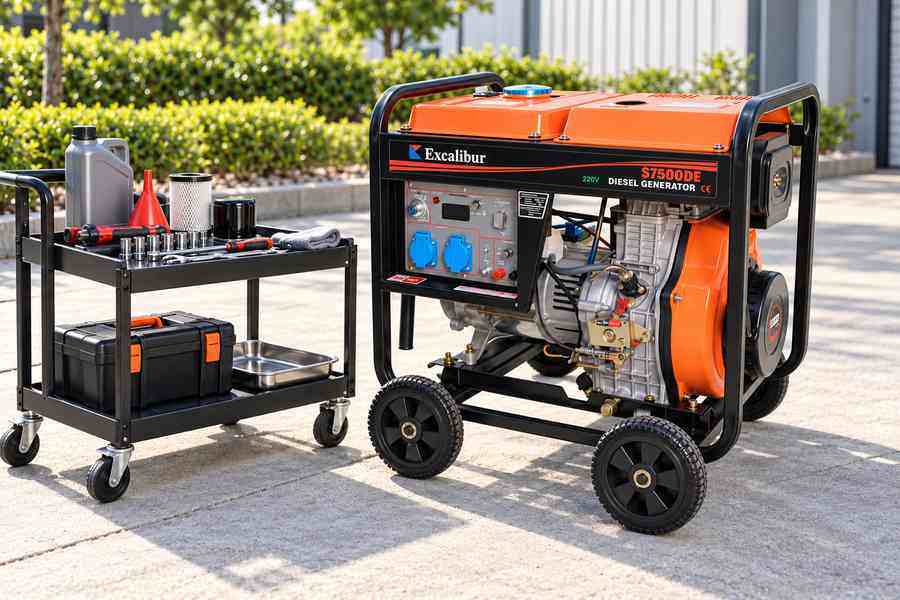
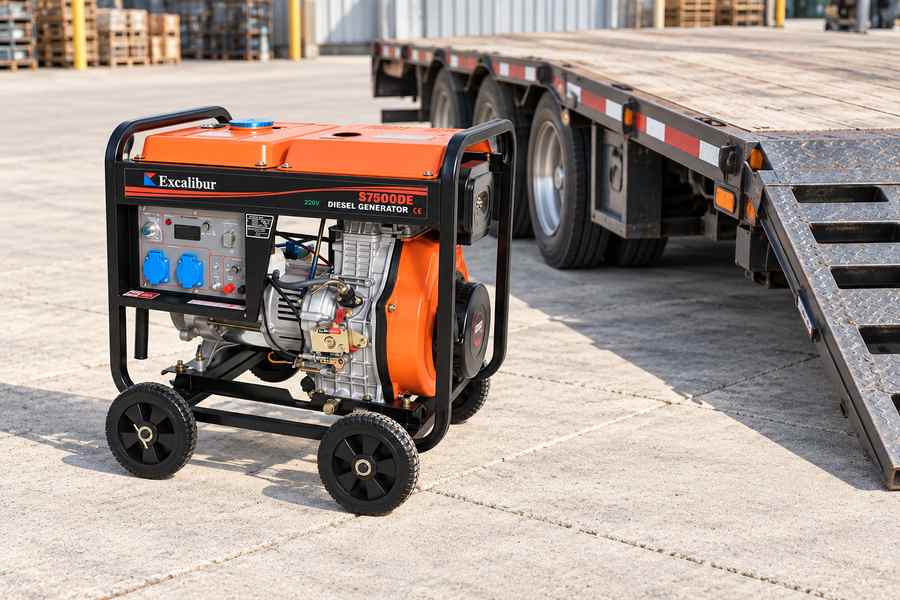
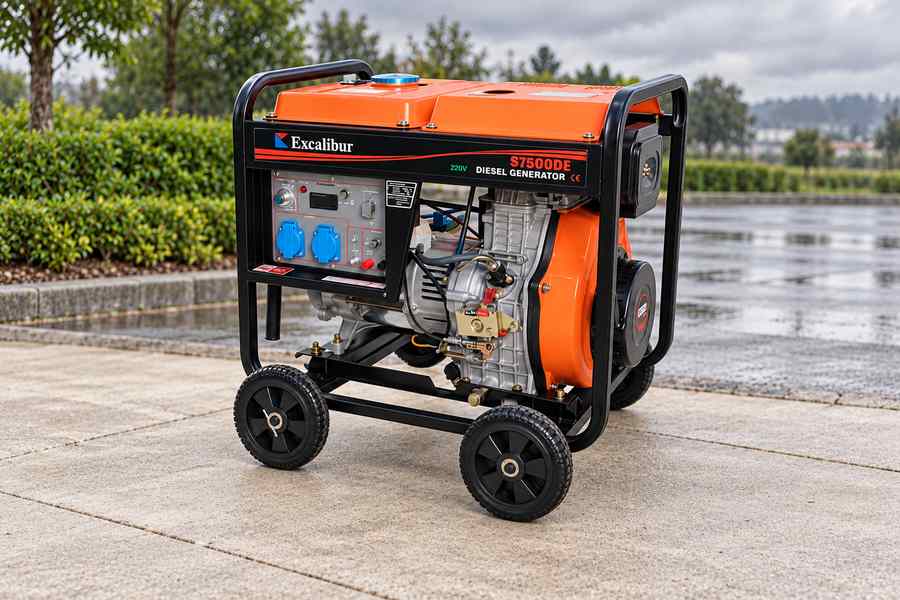
Diesel generators use diesel fuel to power a compression-ignition engine connected to an alternator. They are known for durability, high torque output, and long operating life. Diesel generators power factories, hospitals, data centers, construction projects, and other essential facilities.
Key traits:
- High power output
- Strong continuous-duty capability
- Excellent fuel efficiency at high loads
- Long service life
What are Gasoline Generators?
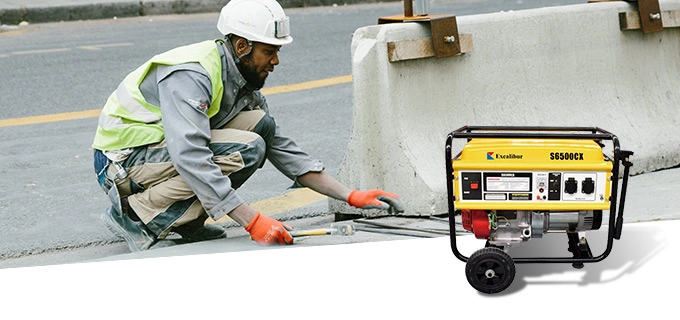
Gasoline generators use spark-ignition engines fueled by petrol (gasoline). They are usually compact, cost-effective, start easily, and suit home backup, outdoor, and light commercial use.
Key traits:
- Lower initial cost
- Simple design
- Easy availability of fuel
- Moderate power output
What are Inverter Generators?
Inverter generators represent a newer generation of power technology. They can be gasoline-, LPG-, or hybrid-powered, but their defining feature is electronic power inversion. Inverter generators first convert power to DC, then electronically produce clean, stable AC electricity.
Key traits:
- High power quality (low THD)
- Variable engine speed
- Quiet and fuel-efficient
- Safe for sensitive electronics
Working Principles Compared
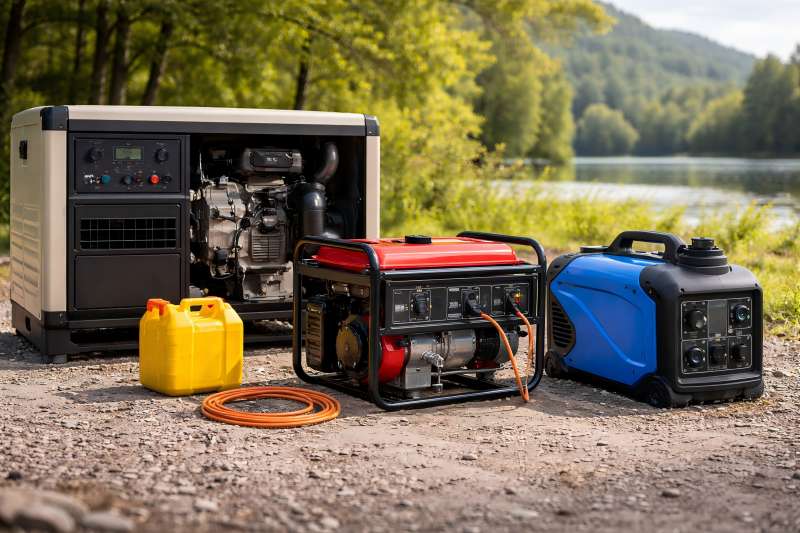
Diesel Generator Operation
Diesel generators rely on compression ignition. Air is highly compressed to ignite diesel fuel automatically, while the engine maintains constant speed to ensure stable 50/60 Hz output.
Gasoline Generator Operation
Gasoline generators ignite fuel–air mixtures with spark plugs and typically run at constant speed regardless of load.
Inverter Generator Operation
Inverter generators are powered by smart electronic systems:
- Generate high-frequency AC
- Convert AC to DC
- Invert DC to precise AC output
This allows the engine to vary speed based on load demand, improving efficiency and reducing noise.
Core Technical Comparison
| Feature | Diesel Generator | Gasoline Generator | Inverter Generator |
| Typical Power Range | Medium to very high | Low to medium | Low to medium |
| Engine Type | Compression ignition | Spark ignition | Spark ignition + inverter |
| Fuel Efficiency | High | Low to moderate | Very high |
| Noise Level | High | Medium | Low |
| Power Quality | Moderate | Moderate | Excellent |
| Portability | Low | Medium | High |
Power Output and Load Capability
Diesel generators are unmatched when it comes to high continuous power and heavy loads. They handle large motors, compressors, and industrial equipment with ease.
Gasoline generators provide adequate power for household appliances, tools, and temporary backup but struggle with sustained heavy-duty use.
Inverter generators usually have lower maximum wattage but excel in delivering stable power for electronics and variable loads.
Fuel Efficiency and Operating Costs
Fuel consumption is a major long-term consideration.
Diesel generators are highly fuel-efficient at medium to high loads and consume less fuel per kilowatt-hour.
Gasoline generators consume more fuel and are less efficient, especially during extended operation.
Inverter generators are extremely efficient at partial loads due to variable engine speed.
Noise Levels and User Comfort
Noise pollution is increasingly important, especially in residential and urban settings.
- Diesel generators are the loudest, especially open-frame models.
- Gasoline generators are slightly quieter but still noisy under load.
- Inverter generators are significantly quieter, often suitable for nighttime or noise-restricted environments.
Power Quality and Electronics Safety
Power quality is critical for modern equipment.
- Diesel and gasoline generators produce raw AC power, which can fluctuate with load changes.
- Inverter generators produce clean, stable sine-wave electricity with low harmonic distortion, making them ideal for computers, medical devices, and communication equipment.
Environmental Impact and Emissions
Environmental sustainability is now a key selection factor.
- Diesel generators emit higher NOx and particulate matter but are improving with modern emission controls.
- Gasoline generators produce lower particulates but higher CO emissions.
- Inverter generators are the most environmentally friendly due to fuel efficiency, lower emissions, and reduced noise pollution.
Maintenance, Durability, and Lifespan
Diesel Generators
- Longest lifespan
- Built for continuous operation
- Higher initial investment, reduced long-term operating costs
Gasoline Generators
- Shorter lifespan
- Higher wear during long runtimes
- Lower maintenance complexity
Inverter Generators
- Moderate lifespan
- Advanced electronics increase repair complexity
- Reduced mechanical stress due to variable-speed operation
Portability and Installation
- Diesel generators are typically large and stationary, often requiring professional installation.
- Gasoline generators are portable and easy to transport, ideal for temporary use.
- Inverter generators are the most compact and lightweight, often designed specifically for mobility and outdoor use.
Safety Considerations
All generators need adequate ventilation to prevent carbon monoxide hazards. However:
- Diesel fuel has lower flammability
- Gasoline carries higher fire risk
- Inverter generators feature built-in protections
Cost Comparison: Initial vs Long-Term
- Diesel generators have the highest upfront cost but lowest long-term operating cost for continuous use.
- Gasoline generators are cheapest initially but expensive over time due to fuel consumption.
- Inverter generators have mid-to-high initial cost but excellent long-term value for light to medium use.
Cost and Environmental Comparison
| Factor | Diesel | Gasoline | Inverter |
| Initial Cost | High | Low | Medium–High |
| Fuel Cost (Long-Term) | Low | High | Low |
| Emissions | High (regulated) | Medium | Low |
| Noise Pollution | High | Medium | Very low |
| Maintenance Frequency | Low–Medium | Medium | Low |
Choose a Diesel Generator if:
- High or continuous power requirements
- Mission-critical reliability required
- Lower lifetime cost over purchase price
Choose a Gasoline Generator if:
- Budget is limited
- Usage is occasional or short-term
- Power demand is moderate
Choose an Inverter Generator if:
- Clean power is required
- Noise levels must be minimal
- Fuel efficiency and portability are priorities
Best Use-Case Scenarios
| Application | Best Choice | Reason |
| Industrial & Continuous Power | Diesel Generator | High durability and efficiency |
| Residential Backup | Gasoline / Inverter | Cost or clean power |
| Sensitive Electronics | Inverter Generator | Stable, clean electricity |
| Camping & Outdoor Events | Inverter Generator | Quiet and portable |
| Construction Sites | Diesel Generator | High load capability |
Choosing the Right Generator: Decision Framework
Future Trends in Generator Technology
The generator market is evolving toward:
- Cleaner engines and stricter emission compliance
- Hybrid systems integrating batteries and renewables
- Smart load management and digital monitoring
- Increased adoption of inverter-based technology
Diesel generators will remain dominant in heavy industry, while inverter generators are expected to grow rapidly in residential, recreational, and eco-sensitive applications.
These generator types are designed for distinct power demands and usage scenarios. Diesel generators excel in durability and high-load performance, gasoline generators offer affordability and simplicity, and inverter generators lead in efficiency, noise reduction, and power quality.
There is no universal “best” generator—only the best generator for a specific application. By assessing power needs, usage conditions, environmental impact, and lifecycle costs, users can choose a balanced, reliable, and sustainable solution.