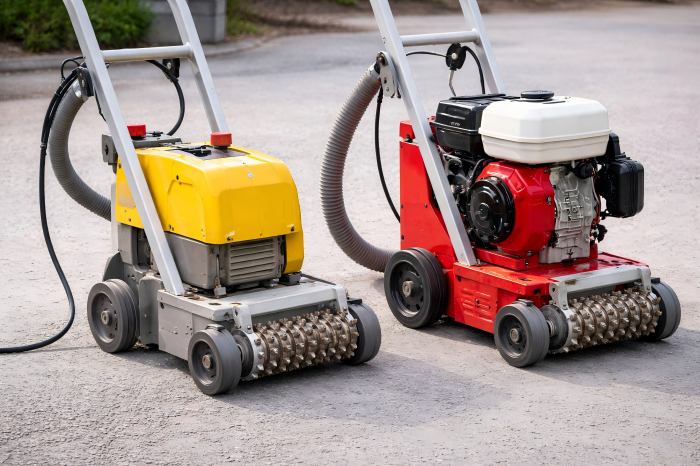
Concrete scarifiers are powerful machines that use rotating drums equipped with blades or cutters to remove layers of concrete or other surface materials. While both electric and diesel-powered scarifiers can achieve excellent results, the decision to choose one over the other depends on the scale of the project, environmental considerations, power availability, and operational preferences.
What is a Concrete Scarifier?
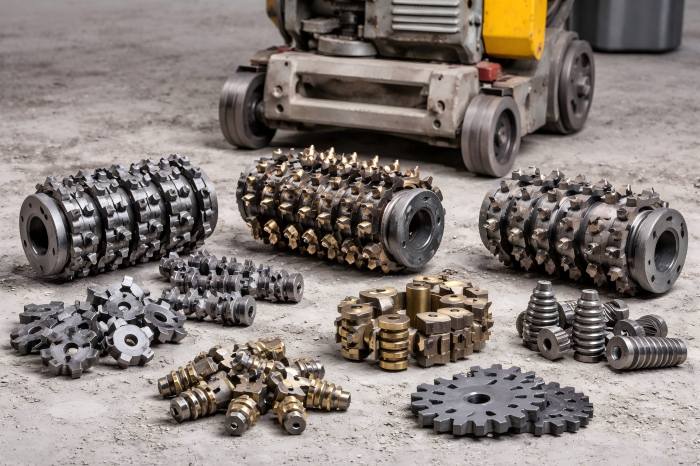
A concrete scarifier, or milling machine, is designed to prepare concrete surfaces by removing coatings, leveling, or texturing for improved adhesion and surface finish. The machine operates by rotating a series of cutting heads or blades that aggressively abrade or remove material from the concrete surface.
These machines excel at tasks such as:
- Coating removal (epoxy, paint, adhesives)
- Surface preparation for new coatings
- Leveling and smoothing uneven concrete floors
- Texturing for traction or anti-slip surfaces
The scarifier’s choice of power—either electric or diesel—affects its performance, operating costs, and efficiency, especially for large or small-scale projects.
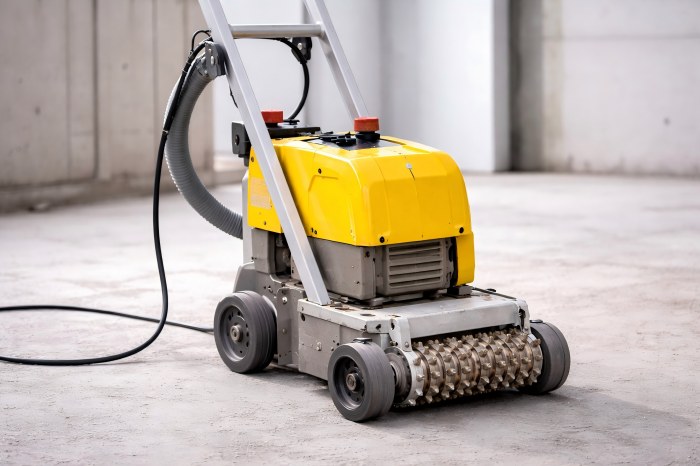
Electric Powered Concrete Scarifiers
Pros of Electric Scarifiers
Electric-powered concrete scarifiers are commonly used for light to medium-duty jobs, particularly in indoor environments. Here are some of their key advantages:
Environmentally Friendly
Electric scarifiers operate without emissions, making them a more eco-friendly choice for indoor or enclosed areas where ventilation is limited..
Quieter Operation
Electric models are typically much quieter than their diesel counterparts, which makes them ideal for noise-sensitive environments such as residential areas, hospitals, or commercial buildings.
Low Operating Costs
With no need for fuel or regular maintenance of an internal combustion engine, electric scarifiers often have lower operational costs. They only require electricity to run, which is a more consistent and generally cheaper power source.
Easier to Maintain
Electric machines have simpler mechanisms and require less upkeep compared to diesel-powered models. This makes them a more cost-effective choice for users who need to minimize downtime and maintenance expenses.
Lightweight and Maneuverable
Electric scarifiers tend to be more lightweight and compact compared to diesel models, allowing for easier transport and better maneuverability in confined areas.
Cons of Electric Scarifiers
Limited Power Output
Electric-powered scarifiers are generally less powerful than diesel units, which can limit their effectiveness on large, tough concrete surfaces. They may not be able to handle deep cutting or large-scale material removal as efficiently as diesel models.
Power Source Dependency
Electric scarifiers require a constant power source, which may limit their use on job sites where electricity is unavailable or where long extension cords are impractical.
Slower Operation on Larger Projects
For large-scale commercial or industrial applications, electric models may operate at a slower pace compared to diesel-powered machines, which can make them less suitable for high-volume projects.
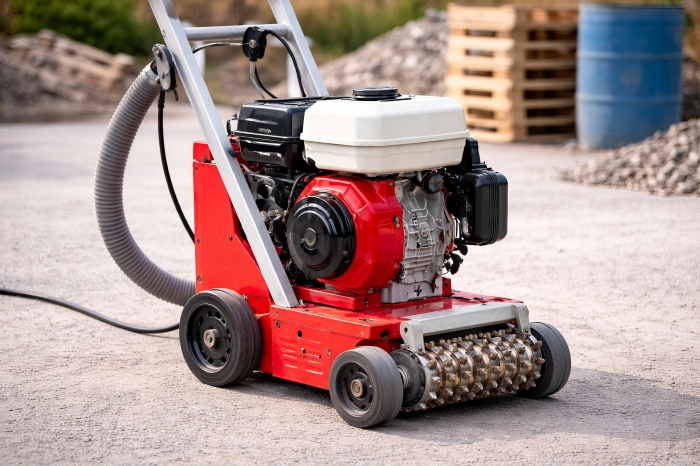
Diesel Powered Concrete Scarifiers
Diesel-powered concrete scarifiers are typically more robust and high-powered compared to electric models, making them the preferred choice for larger, outdoor applications. Here are some advantages of diesel-powered scarifiers:
Pros of Diesel Scarifiers
Higher Power and Performance
Diesel-powered scarifiers are equipped with more powerful engines, allowing them to handle heavy-duty applications such as deep concrete removal, thick coating stripping, or large-scale surface preparation. They are more effective on rough or dense concrete surfaces.
Greater Mobility and Flexibility
Since diesel-powered scarifiers are not limited by power cords, they are more suitable for outdoor and large-scale projects where access to electricity might be difficult or unavailable. They can operate for long hours without the need for constant recharging or searching for an outlet.
Suitable for Tough Environments
Diesel-powered scarifiers are designed to handle tough conditions, including large, open work areas, construction sites, or areas with thick coatings or materials that require significant power to remove.
Faster Completion of Large Projects
Due to their higher power output, diesel scarifiers can operate faster and remove more material in a shorter amount of time, making them ideal for large-scale industrial projects or when time is a critical factor.
Cons of Diesel Scarifiers
Higher Operating Costs
Diesel-powered scarifiers require fuel (diesel), which can be more expensive compared to electricity. Additionally, diesel engines require more frequent maintenance, such as oil changes, filter replacements, and overall engine servicing.
Louder Operation
Diesel models tend to be much louder than electric machines, which can be problematic in noise-sensitive environments or residential areas. Hearing protection is always necessary for operators working with diesel-powered scarifiers.
Heavier and Less Maneuverable
Diesel-powered scarifiers are generally heavier and bulkier, which can make them more difficult to maneuver in tight spaces or for long durations.
Differences Between Electric and Diesel Powered Scarifiers
When choosing between electric and diesel-powered scarifiers, it’s important to weigh the benefits and limitations of each based on your project’s needs.
Electric vs. Diesel Powered Scarifiers
| Feature | Electric Powered Scarifiers | Diesel Powered Scarifiers |
| Power Source | Electricity (requires outlet) | Diesel fuel (independent of external power) |
| Noise Level | Quieter operation | Louder operation (higher noise levels) |
| Environmental Impact | No emissions, environmentally friendly | Emits CO2 and other pollutants |
| Operating Cost | Lower operational cost | Higher operating costs (fuel & maintenance) |
| Power Output | Moderate power, suitable for small to medium jobs | High power, ideal for large-scale jobs |
| Mobility | Limited by power cord | Fully mobile, no need for external power |
| Maintenance | Low maintenance | High maintenance (fuel system, engine parts) |
| Size & Weight | Lighter and more compact | Heavier, less compact |
| Best for | Indoor or smaller outdoor tasks | Large-scale, industrial, and outdoor tasks |
Choosing the Right Concrete Scarifier for Your Project
For Small to Medium Projects
If your project involves indoor work or smaller concrete areas, an electric-powered scarifier might be the best option. It provides a quieter, cleaner, and more affordable option for smaller tasks, with minimal maintenance, ideal for occasional use.
For Large-Scale Projects
If you are working on large, outdoor projects where mobility, power, and speed are essential, a diesel-powered scarifier is the better choice. Its high power output allows for quicker material removal and deeper cutting, making it ideal for industrial-grade jobs.
Cost Comparison
Initial Investment
- Electric Scarifiers: Generally lower upfront costs, ranging from $2,000 to $8,000, depending on the brand, size, and features.
- Diesel Scarifiers: Higher initial investment, typically between $8,000 and $20,000 or more, depending on the power and capabilities.
Operating Costs
- Electric Scarifiers: Lower operating costs, with most models using minimal electricity.
- Diesel Scarifiers: Higher operational costs due to fuel consumption, averaging around $4 to $6 per hour depending on fuel prices and machine usage.
Environmental Considerations
They produce zero emissions and operate quietly, making them the preferred option for indoor use and projects in areas where noise and air pollution are a concern.
Diesel-powered scarifiers release pollutants, including greenhouse gases and particulates. These machines are best suited for outdoor use in open environments where ventilation is not a concern.
Both electric and diesel-powered concrete scarifiers have their strengths and weaknesses, and the choice between them largely depends on the scope of your project, the working environment, and your budget.
- Electric-powered scarifiers are ideal for small to medium projects where quiet operation, minimal emissions, and low operating costs are prioritized.
- Diesel-powered scarifiers are better suited for large-scale, heavy-duty tasks that require high power, greater mobility, and faster work completion.