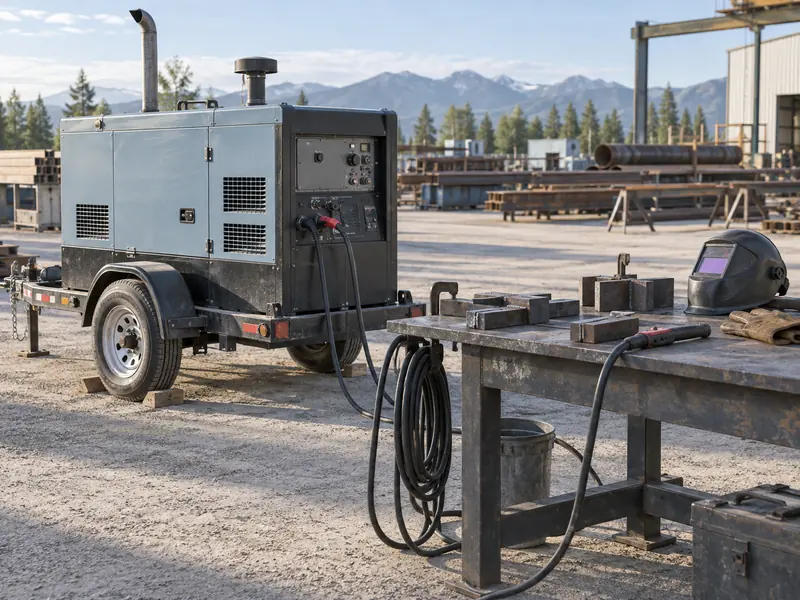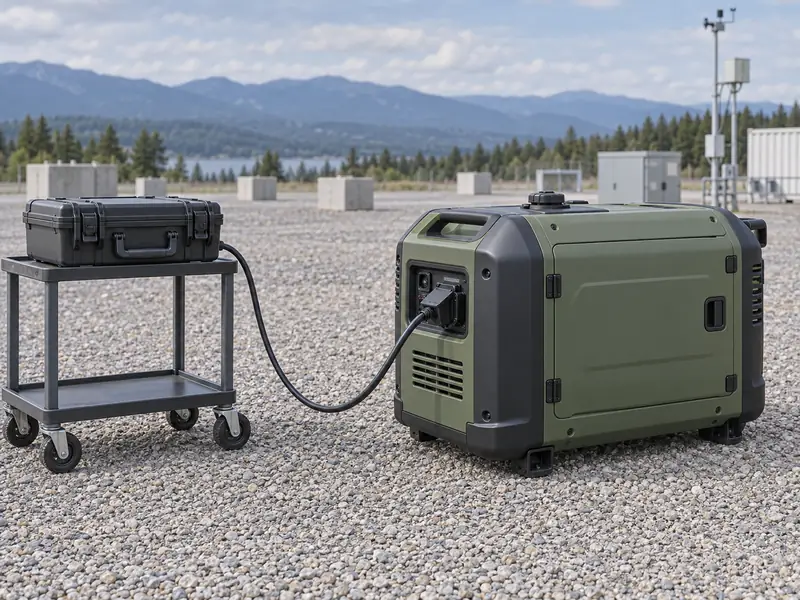

Inverter generators offer a more sustainable alternative by using advanced electronics and efficient engine control to deliver cleaner power, quieter operation, and more responsible energy use.
The Environmental Challenge of Small-Scale Power Generation
Growing Demand for Portable Power
From residential backup systems and outdoor recreation to remote construction sites and emergency response, the demand for portable power continues to rise. Conventional generators have long filled this role, but their environmental drawbacks are increasingly difficult to ignore. These include:
- High fuel consumption
- Elevated exhaust emissions
- Excessive noise pollution
- Inefficient operation at partial loads
As regulations tighten and consumers prioritize sustainability, cleaner alternatives are no longer optional—they are essential.
Why Generator Sustainability Matters
Although individual generators may seem insignificant compared to large power plants, their cumulative impact is substantial. Millions of small generators worldwide operate during outages, disasters, and peak demand periods. Improving their efficiency and reducing their emissions can yield measurable environmental benefits at scale.
What Makes Inverter Generators Different?
Advanced Power Conversion Technology
Inverter generators differ fundamentally from conventional generators in how they produce electricity. Instead of generating usable AC power directly, inverter generators:
- Generate high-frequency alternating current
- Rectify the output into direct current
This process allows precise electronic control over voltage, frequency, and waveform.
Variable Engine Speed and Load Matching
Inverter generators vary engine speed to match power needs, unlike traditional generators that run constantly. This single feature underpins many of their environmental advantages, including:
- Lower fuel consumption
- Reduced emissions
- Quieter operation
- Less mechanical stress
Fuel Efficiency and Reduced Resource Consumption
Smarter Fuel Use
Fuel efficiency is one of the most direct ways inverter generators support environmental sustainability. Because the engine does not need to operate at full speed when demand is low, fuel is consumed only as needed.
In real-world usage—such as powering lights, electronics, or small appliances—generators often operate well below maximum capacity. In these scenarios, inverter generators can consume significantly less fuel than conventional units.
Environmental Impact of Improved Efficiency
Reduced fuel consumption translates into:
- Reduced greenhouse gas emissions
- Decreased reliance on fossil fuels
- Reduced frequency of refueling and fuel transport
- Lower risk of fuel spills and handling accidents
Over a generator’s lifespan, these efficiencies significantly reduce its overall environmental footprint.
Emissions and Air Quality Benefits
Cleaner Combustion
Inverter generators typically feature modern engine designs with improved combustion efficiency. Combined with variable speed operation, this leads to lower emissions of:
- Carbon monoxide (CO)
- Nitrogen oxides (NOx)
- Unburned hydrocarbons (HC)
Many inverter generators comply with or surpass strict environmental regulations across multiple regions worldwide.
Regulatory Compliance and Sustainability
Stricter emissions regulations are being introduced worldwide, especially in urban and environmentally sensitive areas. Inverter generators are better positioned to comply with these rules, making them a future-proof investment for environmentally conscious users.
Noise Pollution: An Overlooked Environmental Issue
The Environmental Cost of Noise
Noise pollution is increasingly recognized as an environmental and public health concern. Long-term noise exposure can cause stress, disturb sleep, and harm well-being in people and wildlife.
Conventional generators, running at constant high speeds, often produce disruptive noise levels that limit where and when they can be used.
Quiet Operation as a Sustainability Advantage
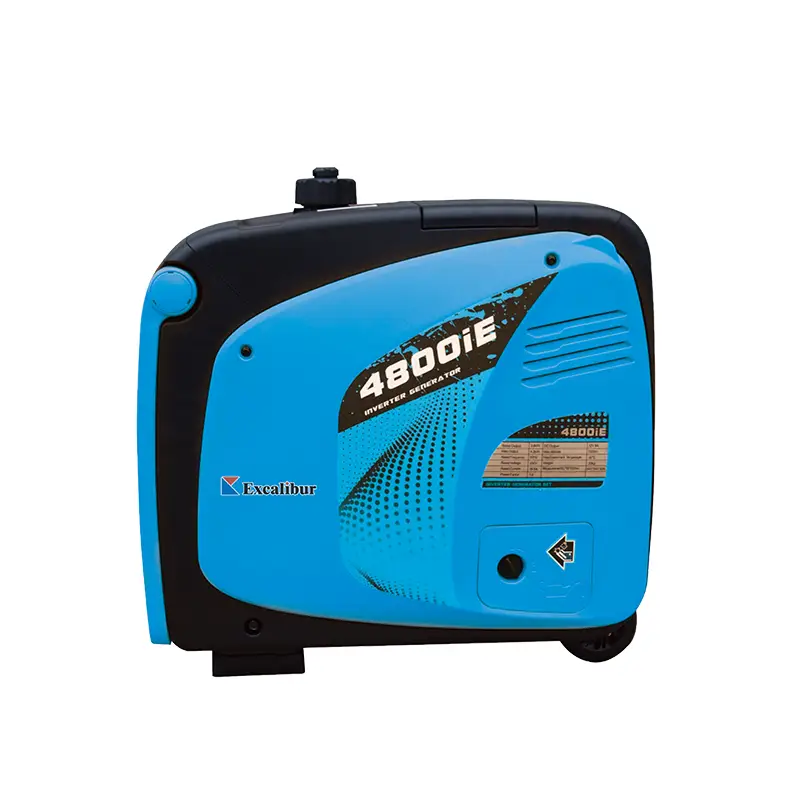
Inverter generators are significantly quieter, particularly under light and moderate loads. Their reduced noise output:
- Minimizes disturbance to nearby communities
- Protects wildlife in natural environments
- Enables nighttime and residential use without conflict
- Improves user comfort and acceptance
Lower noise pollution aligns with broader sustainability goals focused on livable, human-centered environments.
Power Quality and Sustainable Electronics Use
Clean Electricity for Modern Devices
Modern households and businesses rely heavily on sensitive electronic devices, including computers, communication equipment, and medical devices. Poor-quality power can shorten device lifespan, leading to increased electronic waste.
Inverter generators provide clean, stable electricity with low total harmonic distortion (THD), helping to:
- Prevent damage to electronics
- Extend equipment lifespan
- Reduce premature disposal and replacement
Reducing E-Waste Through Better Power
By protecting connected devices, inverter generators indirectly contribute to sustainability by lowering the volume of discarded electronics—a growing global environmental challenge.
Comparison Table: Environmental Impact Factors
| Sustainability Factor | Inverter Generator | Conventional Generator |
| Fuel Efficiency | High, load-dependent | Lower, constant consumption |
| Exhaust Emissions | Reduced | Higher |
| Noise Pollution | Low | High |
| Power Quality | Clean, stable | Variable |
| Electronic Protection | Excellent | Limited |
| Regulatory Compliance | Easier | Increasingly restricted |
Lifecycle Sustainability and Durability
Longer Service Life
Efficient operation reduces mechanical stress on inverter generator engines. Running at lower speeds when possible means:
- Less wear on internal components
- Longer service intervals
- Extended overall lifespan
A longer-lasting generator lowers environmental impact by reducing manufacturing, shipping, and end-of-life waste.
Maintenance and Waste Reduction
Inverter generators often require less frequent maintenance due to their optimized operating conditions. Fewer oil changes, parts replacements, and repairs contribute to reduced waste generation over the product lifecycle.
Renewable Energy Integration
Enabling Hybrid Energy Solutions
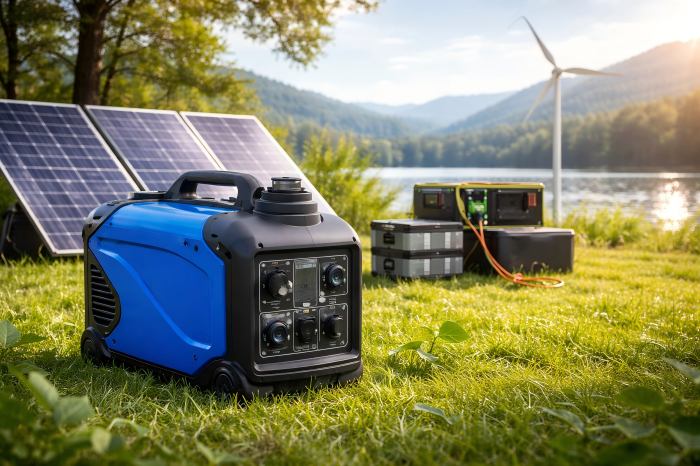
Inverter generators are increasingly used as part of hybrid energy systems that include solar panels, battery storage, or wind power. Their clean power output and electronic control make them compatible with modern energy management systems.
In such setups, inverter generators typically serve as backup or supplemental power sources, operating only when renewable energy is insufficient.
Reducing Overall Carbon Footprint
By operating efficiently and intermittently within hybrid systems, inverter generators help reduce reliance on continuous fossil fuel generation, supporting a gradual transition toward renewable energy dominance.
Sustainability in Emergency and Remote Applications
Disaster Response and Environmental Responsibility
In emergencies, power generation is critical—but so is minimizing environmental harm. Inverter generators are well suited for disaster response because they:
- Consume less fuel, easing logistics
- Produce fewer emissions in vulnerable areas
- Operate quietly in residential or medical settings
Their efficiency reduces the environmental burden during already challenging situations.
Remote and Off-Grid Use
In off-grid locations such as research stations, rural communities, or eco-tourism sites, inverter generators provide reliable power without undermining environmental conservation goals.
Economic Sustainability and Long-Term Value
Lower Operating Costs
Environmental sustainability often aligns with economic sustainability. Inverter generators, while typically more expensive upfront, offer long-term savings through:
- Improved fuel efficiency
- ·Reduced maintenance expenses
- ·Longer operational lifespan
These savings make them a financially responsible choice for users with long-term power needs.
Encouraging Responsible Consumption
By making efficient power generation accessible and practical, inverter generators encourage users to adopt more responsible energy consumption habits, reinforcing sustainability at the individual level.
Secondary Table: Sustainability Benefits by Use Case
| Application | Sustainability Advantage of Inverter Generators |
| Residential Backup | Low emissions, quiet operation, safe for electronics |
| Camping & Outdoor Use | Minimal environmental disturbance |
| Emergency Response | Efficient fuel use, reduced pollution |
| Hybrid Renewable Systems | Seamless integration, backup efficiency |
| Urban Areas | Noise and emissions compliance |
Challenges and Areas for Improvement
Electronic Complexity
Inverter generators rely on advanced electronic components, which can increase manufacturing complexity and resource use. Improving recyclability and material efficiency in these components remains an ongoing challenge.
Fuel Dependency Remains
While more efficient, inverter generators still typically rely on fossil fuels. Continued innovation is needed to integrate alternative fuels and reduce carbon intensity further.
The Future of Eco-Friendly Generator Technology
Cleaner Engines and Alternative Fuels
Future inverter generators are likely to incorporate cleaner-burning engines, biofuels, and even hydrogen-based technologies. These developments could further reduce emissions and environmental impact.
Smarter Energy Management
Advances in digital control, load monitoring, and connectivity will allow inverter generators to operate even more efficiently, responding intelligently to real-time power demands.