Operating a concrete scarifier can be a highly effective way to prepare concrete surfaces for a variety of applications, including removing coatings, texturing, and leveling uneven floors. However, like all powerful equipment, scarifiers come with inherent risks.
These risks can be minimized through proper safety practices, a thorough understanding of the machine’s functions, and ensuring that appropriate precautions are taken before, during, and after use.
Introduction to Concrete Scarifiers
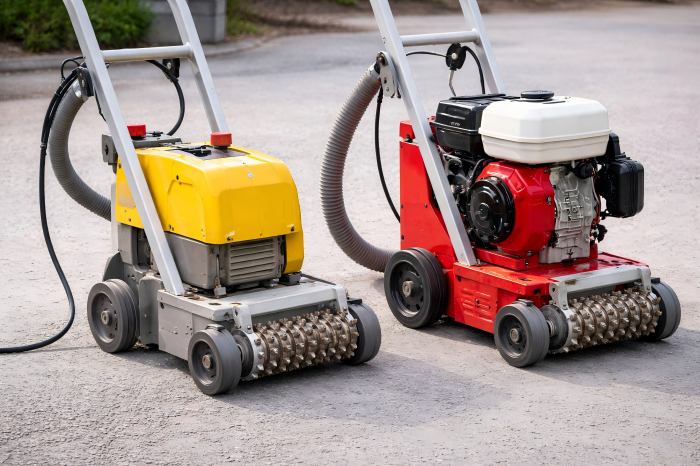
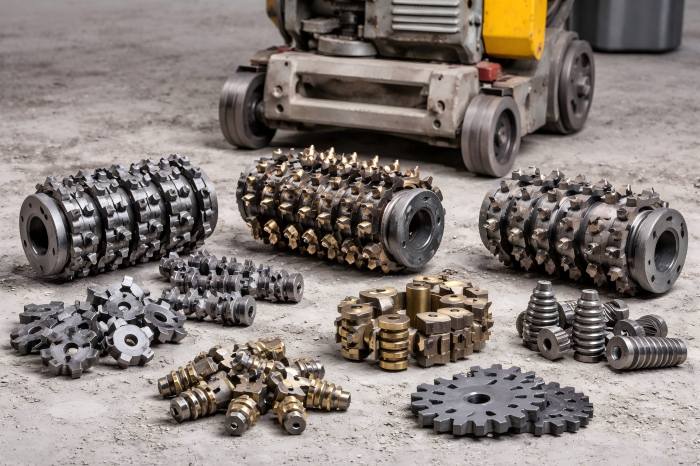
Concrete scarifiers are versatile machines used for surface preparation, capable of removing surface layers, textures, and coatings from concrete. They work by rotating drums fitted with multiple scarifier blades (or cutter heads), which aggressively grind or chip away concrete, often as part of a larger floor preparation process.
Though efficient, scarifiers produce significant noise, vibration, dust, and debris. Their powerful motors and mechanical parts can present safety risks without proper precautions.
Understanding the Hazards
Operating a concrete scarifier presents several risks, including:
Physical Injury
- Contact with Blades: The rotating cutter heads can cause serious injuries if the operator or bystanders come into contact with the moving parts.
- Pinch Points: The scarifier’s rotating drum and moving components may create pinch points that can lead to limb injuries.
Noise and Vibration
- Hearing Damage: The scarifier produces loud noise, which, if exposure is prolonged, can lead to permanent hearing damage.
- Vibration Hazards: Prolonged vibration exposure can cause hand-arm vibration syndrome, damaging nerves and joints.
Dust and Debris
- Respiratory Risks: Scarifiers can create large amounts of dust, including silica dust, which is harmful when inhaled and can lead to lung disease.
- Flying Debris: During operation, the machine can kick up small particles of concrete, debris, and dust, which can be dangerous if they hit unprotected skin or eyes.
Machine Failures and Maintenance Hazards
- Mechanical Failure: Improper maintenance or failure to inspect and replace worn-out parts can lead to malfunction, causing sudden stops, flying parts, or loss of control.
- Fuel and Power Hazards: For gas-powered machines, improper fuel handling or leaks can cause fire or explosion hazards. Electrical machines, when not properly maintained, pose the risk of electric shock.

Personal Protective Equipment (PPE)
The following PPE items are recommended:
Recommended PPE for Operating a Concrete Scarifier
| PPE Item | Description |
| Hearing Protection | Earmuffs or earplugs that protect against loud noise, typically 85 dB or above. |
| Eye Protection | Safety goggles or face shields guard against debris, dust, and sparks. |
| Respiratory Protection | Dust masks or respirators, preferably N95, to prevent inhalation of silica or fine particles. |
| Gloves | Protective gloves (e.g., leather or rubber) to guard against cuts, abrasions, and vibrations. |
| Protective Clothing | Durable long sleeves and pants to shield from flying debris. |
| Foot Protection | Steel-toed boots to prevent injuries from falling objects and provide ankle support. |
| Knee Pads | Protects knees during prolonged kneeling or bending, especially when working on floors. |
Additional Considerations:
High-visibility vests if operating in environments with heavy foot or vehicle traffic, such as construction sites.
Hard hats are required where there are potential overhead hazards.
Pre-Operation Safety Checklist
Before using a concrete scarifier, a thorough pre-operation inspection is essential to ensure the machine is safe to use. Here is a checklist to follow:
Pre-Operation Safety Steps
Inspect the Blade or Cutter Drum
Check that the scarifier blades or cutting drum are properly secured and in good shape.
Check for Leaks
For gas-powered scarifiers, check for fuel leaks or oil spillage that could cause fires.
Verify Machine Stability
Ensure the machine is stable and level. If using a walk-behind model, check that it moves freely without resistance and does not pull to one side.
Check Dust Control Systems
Confirm that dust collection attachments or vacuum systems are functioning properly to minimize exposure to harmful dust.
Review Safety Features
Ensure that emergency stop buttons and safety guards are intact and functioning.
Assess the Work Area
Make sure the area is free of obstacles, and that the floor is dry and clear of hazards like standing water or loose debris.
Safe Operating Practices
When operating the scarifier, follow these practices to ensure safety:
Avoid Wearing Loose Clothing
Loose clothes can become entangled in moving parts. Always wear snug-fitting clothes, and secure long hair or jewelry.
Operate at a Safe Speed
Use an appropriate speed setting for the job. Operating the scarifier too quickly can increase the risk of machine damage or unsafe conditions.
Do Not Overload the Machine
Avoid forcing the scarifier into overly thick or tough material. Overloading may damage the machine or result in reduced control.
Grip firmly with both hands
Always grip both handles firmly to maintain control of the scarifier.
Post-Operation Safety and Maintenance
Once the work is complete, follow these steps to maintain the machine and ensure safety:
Clean the Machine
- Clean the scarifier after each use to remove dust, debris, and concrete particles. This enhances performance and increases the machine’s longevity.
- Check and Swap Damaged Components
- Inspect blades, cutting drums, and other moving parts for signs of wear. Change parts when necessary to maintain safe and efficient operation.
Store the Machine Properly
- Store the scarifier in a cool, dry location to avoid damage.
Fueling and Charging
- For electric models, unplug and coil the power cord carefully.
Troubleshooting Common Safety Issues
Despite taking proper safety measures, issues may arise during operation. Below are typical issues and their corresponding solutions:
- Excessive Vibration: This could suggest an imbalance in the cutter drum or uneven blades. Turn off the machine and check for loose or damaged components in the blade assembly.
- Machine Not Cutting Properly: If the scarifier is not cutting efficiently, check the blade sharpness or whether the blade configuration is suitable for the concrete surface. Worn-out blades may need to be replaced.
- Dust or Debris Hazard: If dust control systems are not working effectively, ensure the vacuum or dust extractor is properly connected and functioning. Clean or replace filters if necessary.
- Fuel or Electrical Leaks: For gas-powered models, immediately turn off the machine and address any fuel or oil leaks. For electric models, check for frayed power cords and electrical connections.
Summary and Conclusion
Safely operating a concrete scarifier prevents accidents, injuries, and damage. By following safety protocols, using appropriate PPE, conducting pre- and post-operation inspections, and maintaining the machine properly, operators can significantly reduce risks. Ensuring that both the machine and the operator are ready for the task is the key to a successful and safe concrete preparation process.