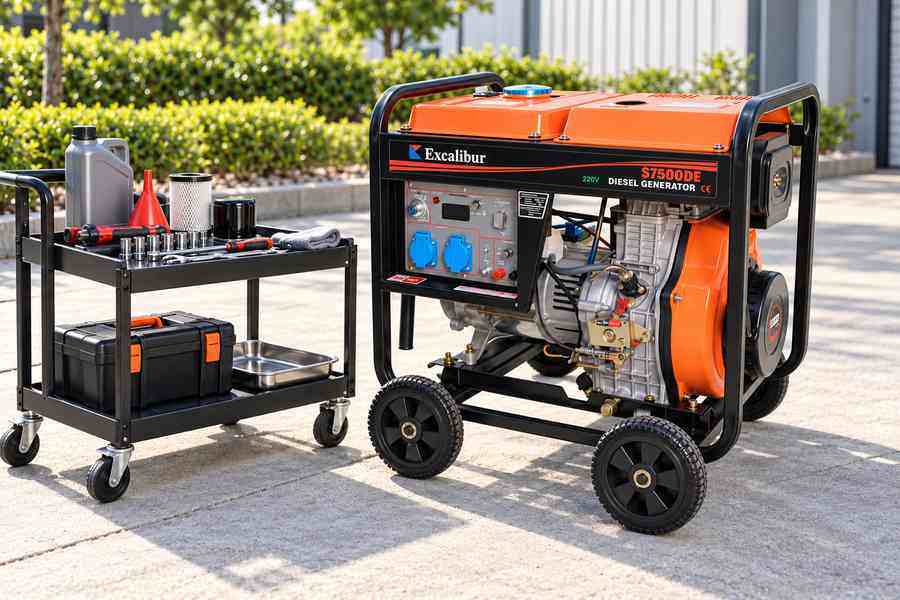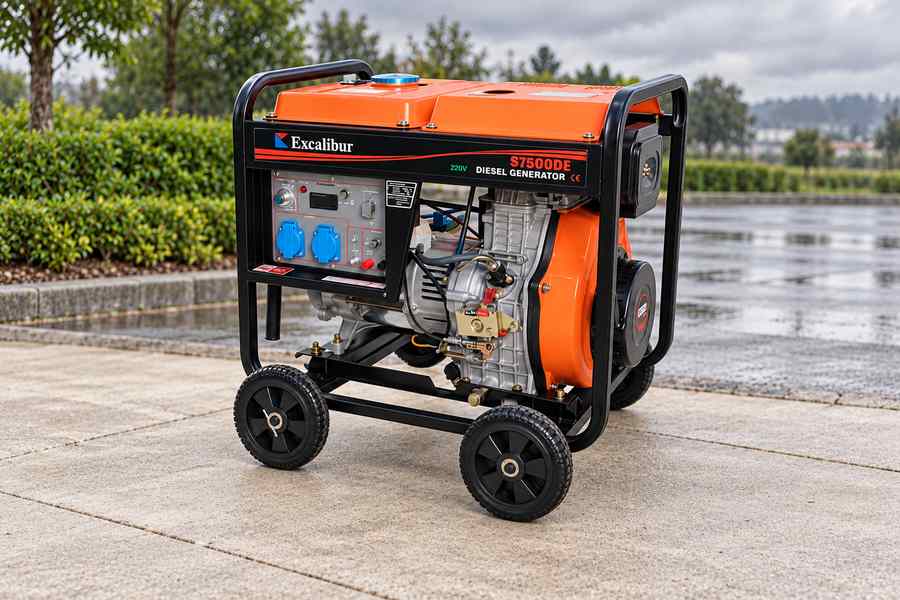

Gasoline generators are among the most widely used power sources in the world, quietly supporting modern life during outages, construction projects, outdoor activities, and emergency situations.
From residential backup power to mobile worksites and remote operations, these compact machines convert chemical energy stored in gasoline into usable electrical energy with remarkable efficiency and reliability.
What Is a Gasoline Generator?
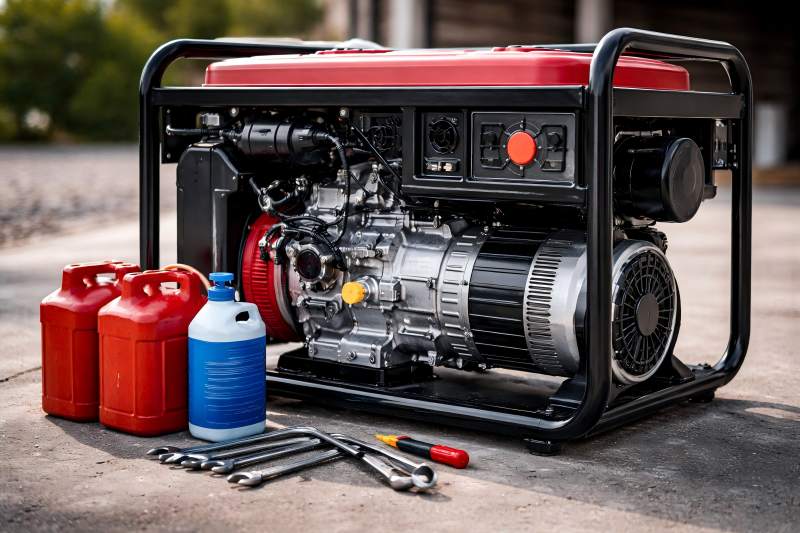
At its core, a gasoline generator is a device that converts chemical energy → mechanical energy → electrical energy. It consists of two primary systems:
- Internal Combustion Engine (ICE) – Burns gasoline to produce rotational mechanical power
- Alternator (Generator Head) – Turns mechanical motion into electrical output
Supporting systems—fuel delivery, air intake, cooling, lubrication, exhaust, and control electronics—ensure the conversion process remains stable, efficient, and safe.
Chemical Energy: The Power Locked Inside Gasoline
Energy Density of Gasoline
Gasoline is a hydrocarbon fuel with high energy density, approximately 44 MJ/kg. This suits portable power applications perfectly:
- Easy to store and transport
- Rapid ignition characteristics
- High power-to-weight ratio
When gasoline combines with oxygen, it produces heat that powers the generator.
Stoichiometric Combustion
For optimal combustion, gasoline must mix with air at a near-ideal air–fuel ratio of about 14.7:1 (by mass). Deviations from this ratio affect:
- Power output
- Fuel efficiency
- Emissions
- Engine temperature
Modern generators carefully regulate this mixture through carburetors or electronic fuel injection (EFI) systems.
Thermodynamics of the Gasoline Engine
Gasoline generators typically use four-stroke internal combustion engines, operating on the Otto cycle.
The Four-Stroke Process
- Intake Stroke – Air–fuel mixture enters the cylinder
- Compression Stroke – Piston compresses the mixture, raising temperature and pressure
- Power Stroke – Spark ignition triggers combustion, forcing the piston downward
- Exhaust Stroke – Burned gases exit the cylinder
Each cycle converts thermal energy into linear piston motion, which is then transformed into rotational energy by the crankshaft.
Compression Ratio and Efficiency
Gasoline engines use moderate compression ratios (typically 8:1 to 12:1), balancing:
- Combustion efficiency
- Knock prevention
- Fuel flexibility
Higher compression improves thermal efficiency but increases the risk of pre-ignition, making careful design essential.
How Mechanical Energy Becomes Electricity
Once the engine produces rotational energy, the alternator takes over.
Electromagnetic Induction
Gasoline generators rely on Faraday’s Law of Electromagnetic Induction, which states:
A varying magnetic field generates electric current in a conductor.
Inside the alternator:
- The rotor (magnetic field source) spins with the engine
- The stator (stationary copper windings) surrounds the rotor
- Rotation causes magnetic flux to vary, inducing alternating current (AC)
AC Power Characteristics
Standard gasoline generators typically produce:
- Single-phase AC for household and light commercial use
- Operating at region-specific 50 Hz or 60 Hz
- Voltage levels such as 120 V, 230 V, or 240 V
Maintaining precise speed is critical, as electrical frequency is directly tied to engine RPM.
Speed, Frequency, and Power Regulation
Mechanical Governors
Traditional gasoline generators use mechanical governors to regulate engine speed. These devices adjust throttle position based on load changes:
- Increased load → RPM drops → governor opens throttle
- Reduced load → RPM rises → governor closes throttle
- This feedback loop keeps output frequency stable.
Electronic and Inverter Control
- Inverter generators utilize advanced electronic control systems
- AC rectified, then inverted cleanly
- Decouple engine speed from output frequency
- Allow variable RPM for fuel efficiency and noise reduction
These systems produce highly stable power suitable for sensitive electronics.
Fuel Delivery Systems: Precision in Motion
Carburetors
Many conventional generators still use carburetors, which rely on pressure differentials to mix air and fuel. Advantages include:
- Simplicity
- Low cost
- Easy field repair
However, carburetors are sensitive to altitude, temperature, and fuel quality.
Electronic Fuel Injection (EFI)
EFI systems use sensors and control units to deliver precise fuel quantities. Benefits include:
- Improved cold starts
- Better fuel efficiency
- Lower emissions
- Automatic altitude compensation
EFI is increasingly common in premium gasoline generators.
Cooling and Lubrication: Managing Heat and Friction
Combustion generates intense heat—often exceeding 2,000°C inside the cylinder. Managing this heat is critical for reliability.
Air Cooling vs. Oil Cooling
Most gasoline generators are air-cooled, using fins and forced airflow. Some larger models incorporate oil coolers to enhance thermal stability.
Lubrication Systems
Engine oil:
- Minimizes wear between components
- Transfers and releases excess heat
- Prevents rust and material degradation
Oil viscosity must match operating temperatures, and regular oil changes are essential for long service life.
Emissions Science: What Comes Out of the Exhaust
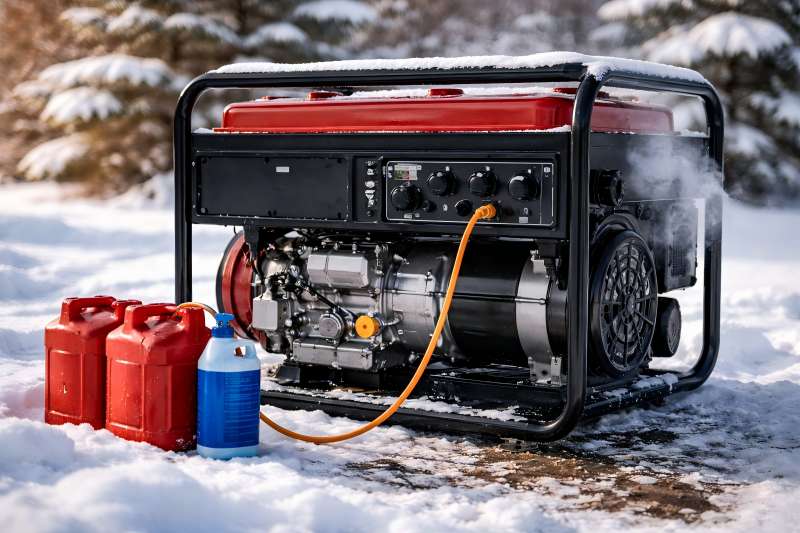
Gasoline combustion produces several byproducts:
- Carbon dioxide (CO₂)
- Carbon monoxide (CO)
- Unburned hydrocarbons (HC)
- Nitrogen oxides (NOₓ)
Modern generators use improved combustion control, catalytic mufflers, and precise fuel metering to meet emission regulations.
Noise, Vibration, and Mechanical Dynamics
Noise arises from:
- Combustion pressure pulses
- Exhaust flow
- Mechanical vibration
Engineering solutions include:
- Balanced crankshafts
- Rubber isolation mounts
- Acoustic enclosures
- Optimized muffler designs
Inverter generators are notably quieter, delivering much lower operating noise levels.
Comparing Gasoline Generators to Other Technologies
| Feature | Gasoline Generator | Diesel Generator | Inverter Generator |
| Ignition | Spark ignition | Compression ignition | Spark ignition |
| Fuel efficiency | Moderate | High | High |
| Noise level | Moderate | High | Low |
| Power quality | Standard AC | Standard AC | Clean, stable AC |
| Maintenance complexity | Low | Moderate | Moderate |
| Portability | High | Low to moderate | Very high |
Energy Conversion Efficiency
Despite technological advances, internal combustion generators remain subject to thermodynamic limits.
| Stage | Energy Form | Approximate Losses |
| Fuel combustion | Chemical → Thermal | Heat loss to exhaust |
| Engine operation | Thermal → Mechanical | Friction, cooling |
| Alternator | Mechanical → Electrical | Copper and magnetic losses |
| Output delivery | Electrical | Minor resistive losses |
Overall efficiency typically ranges from 20% to 30%, with the rest lost as heat—a key reason proper cooling and load management are vital.
Reliability Through Design Simplicity
One reason gasoline generators remain popular is their engineering balance:
- Fewer high-pressure components than diesel engines
- Lower system weight
- Faster startup and response
- Easier maintenance for non-specialists
This simplicity makes them ideal for intermittent use, emergency power, and portable applications.
Practical Implications for Users
Understanding the science behind gasoline generators helps users:
- Select the right generator size and type
- Operate equipment within optimal load ranges
- Reduce fuel consumption and emissions
- Extend engine and alternator lifespan
- Troubleshoot performance issues more effectively
Knowledge transforms the generator from a “black box” into a predictable, manageable power system.
The Hidden Elegance of Gasoline Power Generation
Gasoline generators may appear straightforward, but beneath their compact frames lies a finely tuned system governed by physics, chemistry, and engineering precision. From the controlled explosion inside the cylinder to the silent dance of magnetic fields in the alternator, every stage of operation reflects decades of technological refinement.
This “alchemy of power generation” is not mystical—it is science applied with purpose. By unveiling how gasoline generators work, we gain not only technical insight but also a deeper appreciation for the ingenuity that allows a simple liquid fuel to light homes, power tools, and sustain operations when the grid goes silent.