A new diesel generator may have a specified running-in period, an early service requirement, or both. Owners should confirm the procedure for the exact engine and generating set before the first start. Do not assume that every diesel needs the same number of hours, the same load sequence, or a special oil.
The useful distinction is between commissioning the complete generator, running in the engine where required, and carrying out its initial maintenance. The same first start may contribute to several checks, so name the purpose and acceptance criteria of each activity separately. A factory test may verify operation without completing every instruction that applies after delivery.
Ask Which Instructions Apply To Your Generator
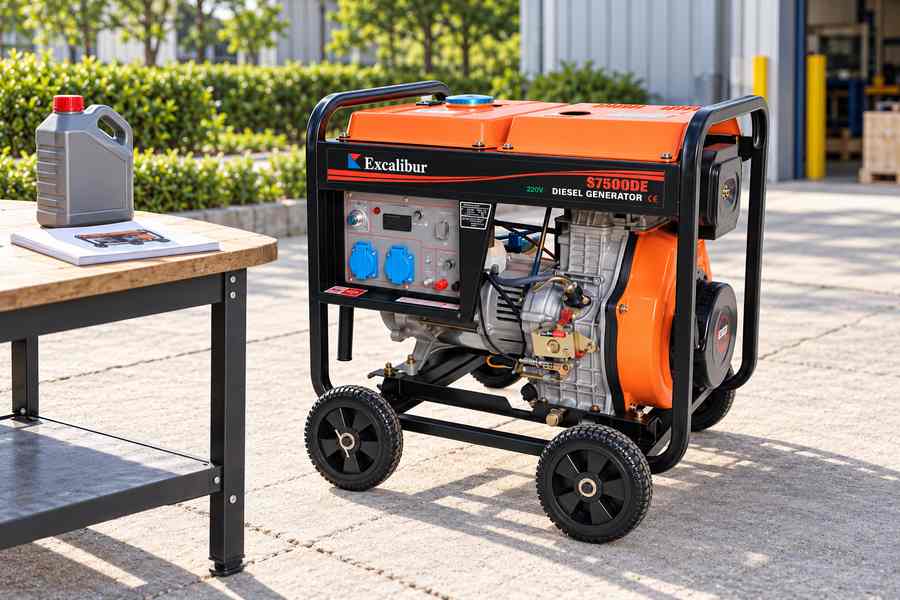
Obtain the generator manual and the engine documentation supplied with the machine. Match them to the model, engine identification, and electrical configuration. If the documents use different terminology or appear inconsistent, ask the supplier to resolve the issue before operation.
Look for sections covering initial operation, running in, first service, commissioning, and storage preparation. Some requirements may be listed in the maintenance table rather than in a separate break-in chapter. Read the notes attached to the schedule, because an initial service can differ from later recurring intervals.
Ask whether the manufacturer specifies a load range, restrictions on prolonged no-load operation, staged loading, or additional inspections. Record the actual requirements rather than assembling a procedure from unrelated advice. Instructions for a vehicle or marine engine should not be transplanted to a constant-speed generator.
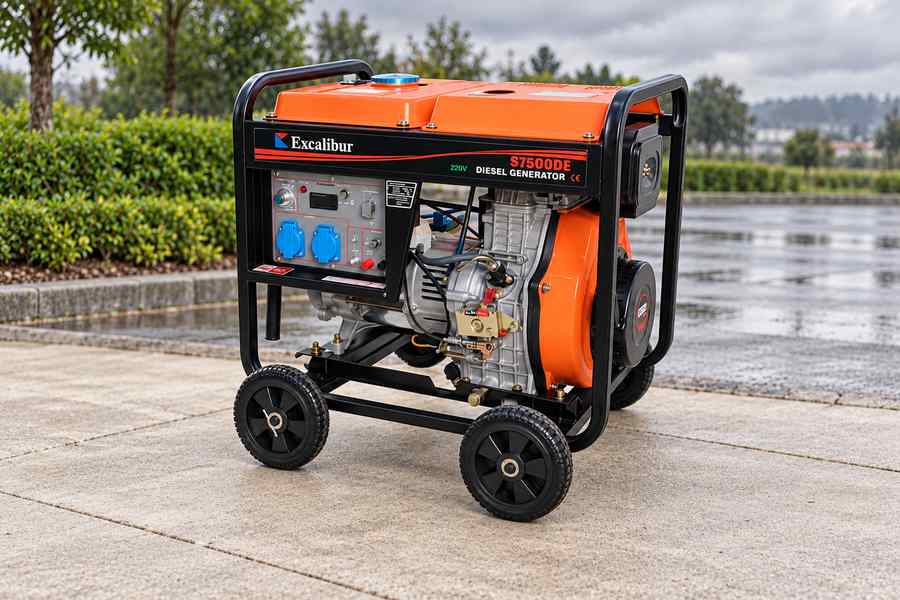
When selecting an open-frame diesel generator, request the first-use instructions for the engine fitted to that particular model. Keep them with the order and delivery records. The correct procedure follows the equipment, not simply the brand name or advertised power.
Separate Factory Testing From Owner Responsibilities
Ask what the supplier has already done. Useful information includes the factory test scope, recorded operating hours, fluids used, and any preparation performed before shipping. A statement that the machine was tested does not explain whether it was loaded or for how long.
Have the supplier list the shipping preparation that the receiving team must reverse. Some equipment may be shipped with fluids drained or with transport protections fitted. The presence of a factory test record does not mean that the generator is ready to start immediately after unpacking.
Record the hour-meter reading at receipt. If the manufacturer bases initial service on total engine hours, clarify how factory hours are counted. Do not reset or disregard the starting reading merely to make the service schedule begin at a convenient round number.
For an assembled package containing an engine from another manufacturer, ask who is responsible for resolving conflicting guidance. Obtain a written answer that covers the complete generator. The owner should not have to guess whether an engine instruction can be ignored because the alternator has been tested.
Complete Delivery And Commissioning Checks First
Inspect the generator for transport damage and verify that the supplied accessories match the order. Check for loose components, leaks, damaged cables, and missing guards. Resolve significant defects before the first run rather than treating initial operation as a test of whether damage matters.
Confirm the specified engine oil and fuel, and coolant where applicable. Check levels using the procedure and machine position stated in the manual. Do not assume that a visible oil stain or a small amount of fluid at a filler opening confirms the correct fill.
Prepare the starting system and battery where fitted, following the supplied instructions. Check that transport closures and packing materials have been removed as required. Verify that any automatic or remote starting function is managed appropriately during inspection.
Choose a suitable outdoor operating location with the necessary exhaust direction, cooling clearance, stable support, and electrical arrangement. Break-in does not justify running a portable generator in a garage or other enclosed space. The same operating safeguards apply from the first minute.
Use The Specified Oil From The Beginning
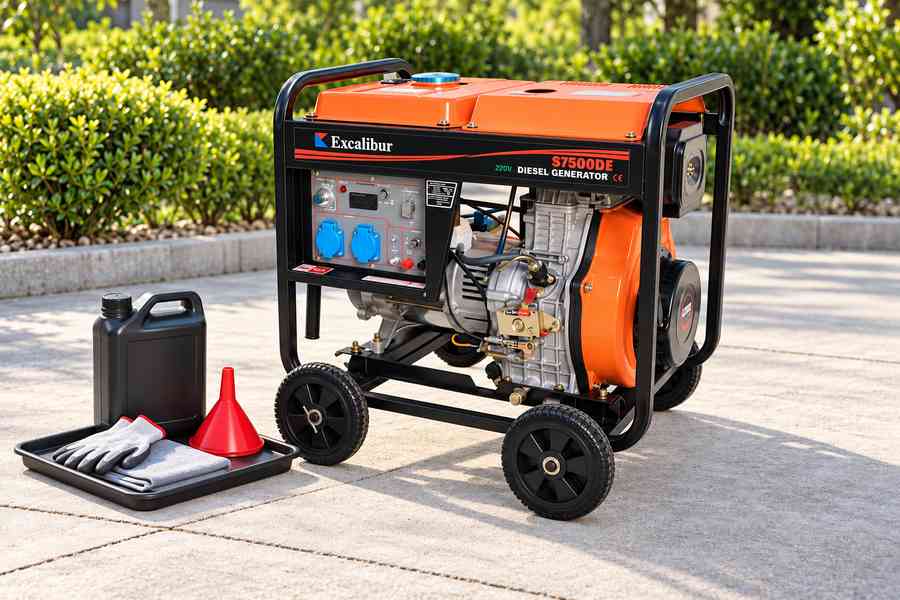
Ask for the required oil specification, viscosity selection, and any first-fill restrictions. Use the limits issued for that engine model and its intended duty. Avoid choosing a lubricant solely because it is described as diesel oil or because another generator uses it.
Do not add a break-in additive unless the manufacturer specifically requires or permits it. Extra additives can change the properties of the approved lubricant. A supplier should be able to identify the exact product requirement when a special first-fill oil is needed.
Clarify whether the initial oil change occurs at a different interval from subsequent changes. Also ask which filters or strainers, if any, are serviced at that time. Engines differ, so a first-service instruction for one design should not become a universal rule.
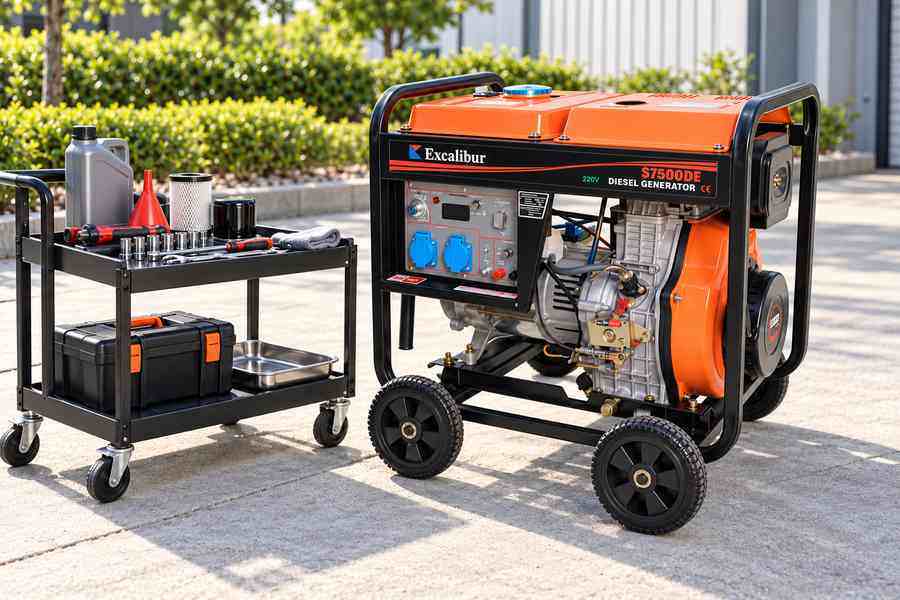
Keep enough approved lubricant and the required service parts available before initial operation starts. Planning the first service in advance avoids a situation where the generator reaches its required service point while the site waits for consumables. Include safe collection and disposal arrangements for used fluids.
Confirm The Approved Load Plan
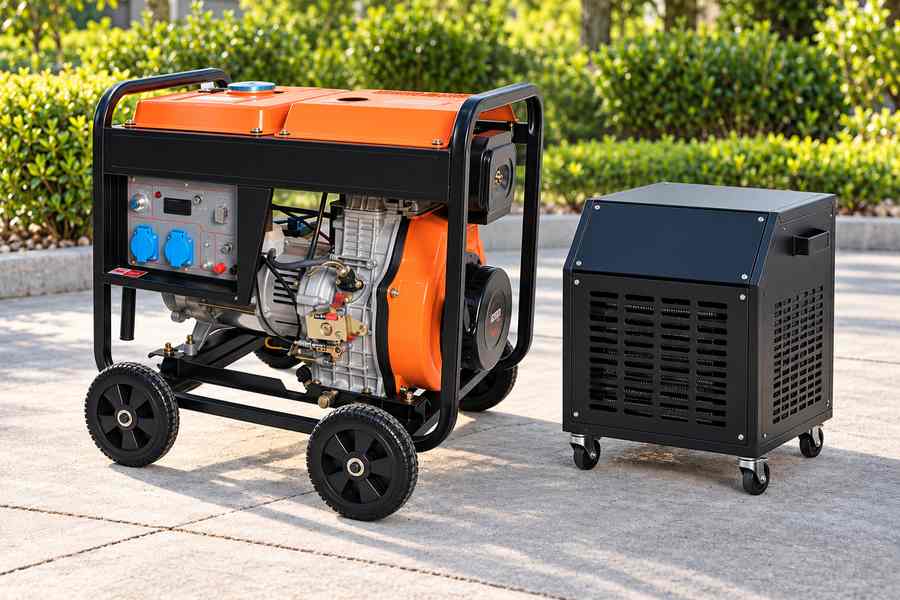
If the manual specifies a running-in load procedure, translate it into a practical plan for the equipment available at the site. Identify how load will be measured and controlled. A collection of tools with uncertain demand may be unsuitable for producing a defined test sequence.
Where a load bank is needed, have competent personnel select and operate one compatible with the generator’s voltage, frequency, phase arrangement, and rating. The load bank also needs suitable ventilation and placement. Do not improvise high-power resistive loads or electrical connections.
Do not assume that an unloaded engine is always being treated gently. Neither hours of near-idle running nor an immediate jump to the largest available load should be treated as a universal running-in method; the engine’s approved load instructions must decide the sequence. Follow the model-specific guidance rather than choosing either extreme.
Equally, avoid applying full load immediately because someone claims every diesel must be worked hard to seat its rings. The manufacturer may specify limits, preparation, or a particular progression. The owner needs an approved procedure, not a general slogan.
Do Not Adjust Governed Speed To Imitate A Vehicle Procedure
A conventional generating set normally operates at a speed associated with its required electrical frequency. Changing the governor setting can change the output frequency and affect connected equipment. Running-in advice that calls for road-speed variation cannot simply be applied by moving a generator’s speed control.
If the manufacturer calls for changes during initial operation, establish whether it means changing electrical load while maintaining the approved governed speed. Ask how the procedure is performed on the actual machine. Do not alter factory settings without authorized service guidance.
Keep frequency and voltage observations separate from the engine’s subjective sound. A generator may sound normal while its electrical output is unsuitable. Use the specified instruments or control-panel readings, understanding their limitations.
Report unstable operation, persistent abnormal smoke, unusual vibration, or repeated protective trips. These are reasons to investigate rather than evidence that the engine simply needs more running-in time. The first-use plan should include clear stopping conditions.
Monitor Conditions During The Initial Operating Period
Follow the manual’s instructions for observing oil pressure, temperature, charging, and other available indicators. Not every compact generator measures the same parameters. Establish which alarms and shutdown functions are actually fitted.
Inspect for leaks and abnormal behavior from a safe position. Do not reach into the running machine, touch hot components, or remove guards to investigate. If a concern requires close inspection, shut down and isolate the equipment using the prescribed procedure.
Record load, running time, ambient conditions, and any notable observations. This information can help the supplier distinguish a site condition from an equipment fault. Write down the measured load, elapsed running time, and observed indicators so the service team can reconstruct the first operating session.
Put the manual’s oil-level inspection timing and engine-state requirements on the first-use checklist. Do not top up a running engine unless the equipment instructions explicitly provide an approved method. Avoid overfilling while trying to compensate for uncertain readings.
Schedule The Initial Service As A Separate Event
Mark the first-service point in the operating record before the generator enters routine use. Assign responsibility and identify any work requiring a technician. A machine used intermittently may also have calendar-based requirements, so confirm whether hours, elapsed time, or both apply.
Initial maintenance can include more than an oil change. Depending on the engine, the schedule may call for inspections, adjustments, or replacement of specific items. Use the actual service list and do not add or omit work based on another model.
Record the parts and fluids used, the hour reading, and the completed checks. Keep receipts and service documentation where they are relevant to warranty or fleet maintenance. Ask the supplier what evidence is required rather than assuming that a verbal report is sufficient.
An overdue first service needs a documented response from the responsible service team. Do not falsify the date or hour reading to make the record look compliant. Accurate history is necessary for deciding what inspection or corrective work is appropriate.
| Question | Answer to obtain before first use |
| Is running in specified? | Applicable manual section and exact operating requirements |
| What has the factory completed? | Test scope, hours, fluids, and shipping preparation |
| Which load is permitted? | Approved load range or sequence and measurement method |
| Which lubricant is required? | Specification, viscosity guidance, and any first-fill restriction |
| When is the initial service due? | Hour and calendar basis, tasks, parts, and responsible person |
| What requires stopping? | Relevant alarms, abnormal conditions, and service contact |
Plan Around The Generator’s Intended Role
A standby unit, rental machine, and daily-use generator may have very different opportunities for supervised initial operation. Arrange commissioning before the machine is relied on for an important load. An emergency is a poor time to discover missing oil, an unsuitable connection, or an overdue first service.
For a fleet, make the first-use record specific to each serial number. Identical models may arrive with different factory hours or be put into service on different dates. Copying one service date across every machine can conceal those differences.
Review the planned duty when choosing among diesel generator configurations. The supplier should understand the load pattern and expected use before recommending a model. A correct running-in procedure cannot make an undersized or unsuitable generator appropriate for the job.
Keep A First-Use Handover Sheet
Give the operator a concise record showing the model and serial number, receipt hours, completed preparation, approved initial-operation instructions, and first-service deadline. Attach the relevant manual pages and the supplier’s clarification of any ambiguity. Include a contact for questions that arise during the first operating period.
If the manufacturer does not prescribe a special break-in sequence, record that confirmation and follow the normal commissioning and maintenance instructions. Do not invent extra unloaded running, additive treatments, or governor adjustments. What matters is completing the requirements that apply to the supplied machine and retaining an accurate record of how its working life began.