

While diesel power plants are renowned for durability, torque, and fuel efficiency, cold weather can significantly affect starting reliability, combustion quality, fuel flow, lubrication, emissions, and overall performance.
Why Cold Weather Is Especially Challenging for Diesel Engines
Diesel engines differ fundamentally from gasoline engines in how they ignite fuel. Diesel engines ignite fuel using heat generated by air compression. This design offers excellent efficiency and torque but makes diesel engines more sensitive to cold temperatures.
Key reasons winter is difficult for diesel engines include:
- Lower ambient temperatures reduce air and metal temperatures, making it harder to reach ignition thresholds during starting.
- Diesel fuel thickens and can gel, restricting flow through filters and injectors.
- Engine oil viscosity increases, causing higher friction and slower cranking speeds.
- Battery performance declines, reducing available starting power.
- Condensation and moisture increase the risk of fuel contamination and corrosion.
Together, these factors can lead to hard starting, incomplete combustion, excessive smoke, higher emissions, increased wear, and even engine failure if not properly managed.
Diesel Fuel Behavior in Cold Temperatures
Fuel Cloud Point and Gelling
As temperatures drop, paraffin components in diesel begin to solidify, and the resulting wax particles can block fuel lines and filters, causing fuel gelling.
Key temperature limits to consider include:
- Cloud Point: Temperature when wax crystals become visible in diesel.
- CFPP: Lowest temperature allowing diesel fuel to pass filters.
- Pour Point: Minimum temperature at which diesel fuel remains flowable.
In winter conditions, untreated diesel fuel may gel well above freezing, especially in older engines with fine fuel filtration systems.
Winter Diesel vs. Summer Diesel
In cold climates, fuel suppliers often switch to winter-grade diesel, which may include:
- Lower paraffin content
- Blending with kerosene
- Cold-flow improver additives
These adjustments improve cold flow but may slightly reduce energy content, leading to minor power or fuel economy losses.
Diesel Fuel Challenges in Winter and Their Impact
| Cold-Weather Fuel Issue | Cause | Potential Impact on Engine |
| Fuel gelling | Wax crystallization | Engine stalls, no-start condition |
| Filter plugging | Wax and contaminants | Reduced fuel flow, power loss |
| Water contamination | Condensation | Injector damage, corrosion |
| Reduced cetane performance | Low temperature combustion delay | Hard starting, white smoke |
Cold Starting: The Most Common Winter Problem
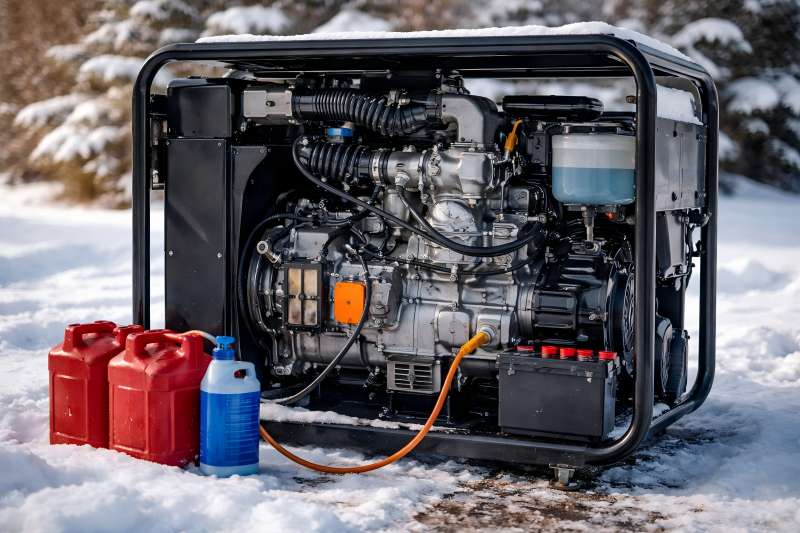
Why Diesel Engines Have Trouble Starting in Winter
Cold starts are especially demanding because:
- Air inside the cylinder is cold and less dense.
- Engine block and pistons absorb heat from compressed air.
- Fuel atomization is poorer due to increased viscosity.
- Battery output is reduced, lowering cranking speed.
These factors delay ignition, resulting in misfires or failure to start.
Glow Plugs and Intake Heating
Most modern diesel engines use glow plugs or intake air heaters to assist cold starts. These devices preheat the combustion chamber or incoming air, raising temperatures enough to initiate combustion.
Best practices include:
- Allowing glow plugs to complete their preheat cycle.
- Avoiding rapid repeated start attempts.
- Ensuring glow plugs and control modules are regularly inspected.
Block Heaters and Coolant Heaters
Engine block heaters warm the coolant and engine block before starting. Benefits include:
- Faster, smoother starts
- Reduced engine wear
- Lower emissions during startup
- Improved cabin heating in vehicles
For stationary generators or industrial equipment, block heaters are often essential for reliable winter operation.
Lubrication Challenges and Winter Oil Selection
Oil Viscosity in Cold Conditions
As temperatures drop, engine oil thickens, increasing resistance to movement. Thick oil:
- Slows crankshaft rotation
- Increases wear during startup
- Delays oil circulation to critical components
Choosing the Right Winter Oil
Using multi-grade or synthetic oils with low-temperature ratings (e.g., 5W-40 or 0W-30) improves cold flow while maintaining protection at operating temperature.
Benefits of proper winter oil selection include:
- Easier cold starts
- Reduced fuel consumption during warm-up
- Extended engine life
Operators should always follow manufacturer recommendations, especially for engines with advanced emission control systems.
Battery and Electrical System Performance
Battery Capacity Loss in Cold Weather
At freezing temperatures, a battery can lose 30–50% of its effective capacity. Diesel engines require high cranking power, making battery health critical.
Key battery-related winter issues:
- Slower cranking speeds
- Voltage drops affecting electronic controls
- Higher starter motor load and fatigue
Preventive Strategies
- Adopt high-CCA batteries to ensure reliable cold-weather starting.
- Keep terminals clean and corrosion-free.
- Maintain full charge during idle periods.
- Use battery warmers or insulated covers in extreme cold.
Air Intake and Combustion Efficiency
Cooler ambient air contains more oxygen per unit volume, benefiting combustion efficiency once normal operating conditions are achieved. However, during startup and initial operation:
- Cold intake air lowers combustion temperature.
- Incomplete combustion produces white or gray smoke.
- Fuel dilution of engine oil may increase.
Preheating intake air and avoiding high loads until full warm-up are essential for minimizing these effects.
Diesel Engines, Emissions, and Winter Operation
Cold weather increases emissions because engines operate longer in inefficient warm-up modes. Modern diesel engines equipped with emission control systems may face additional challenges:
- Diesel particulate filters (DPFs) may clog faster.
- Exhaust aftertreatment systems may struggle to reach operating temperature.
- Regeneration cycles may become more frequent.
Operators should ensure engines are run at sufficient load periodically to support proper exhaust system operation.
Winter Operation Best Practices
Optimizing diesel performance in winter requires a proactive approach rather than reactive troubleshooting.
Key Operational Recommendations
- Use winter-grade diesel or approved cold-flow additives.
- Maintain full fuel tanks to minimize moisture buildup.
- Empty water separators on a routine basis.
- Warm engines before applying heavy loads.
- Avoid extended idling, which promotes incomplete combustion.
- Schedule preventive maintenance before winter begins.
Winter Optimization Strategies for Diesel Engines
| Area | Recommended Action | Benefit |
| Fuel system | Use winter diesel and additives | Prevents gelling |
| Starting system | Maintain glow plugs and heaters | Reliable cold starts |
| Lubrication | Switch to winter-grade oil | Reduced wear |
| Electrical | Upgrade battery and cables | Higher cranking power |
| Operation | Gradual warm-up | Improved efficiency |
Long-Term Winterization for Diesel Equipment
For fleets and industrial installations, winterization planning is a cost-effective investment.
Winterization Measures Include:
- Installing permanent block heaters
- Using insulated fuel lines
- Selecting cold-weather-rated hoses and seals
- Updating maintenance schedules for seasonal oil and filter changes
- Training operators on winter startup and shutdown procedures
For backup generators, winterization is especially critical, as failure during emergencies can have severe consequences.
The Economic Impact of Poor Winter Diesel Performance
Ignoring winter diesel challenges can result in:
- Increased fuel consumption
- Accelerated component degradation
- Operational interruptions and reduced output
- Increased servicing and repair expenses
- Shortened equipment service life
Conversely, engines properly optimized for cold conditions deliver reliable power, predictable operating costs, and long-term durability, even in harsh climates.
Reliability Through Preparation
Winter conditions expose vulnerabilities that demand careful attention to fuel quality, starting systems, lubrication, electrical performance, and operating practices.
By understanding the science behind cold-weather challenges and implementing proven optimization strategies, operators can ensure diesel engines start reliably, run efficiently, and maintain their legendary durability throughout the coldest months. In winter, preparation is performance—and proactive winter optimization is the key to keeping diesel engines running when they are needed most.