
How to Start a Portable Generator Step by Step
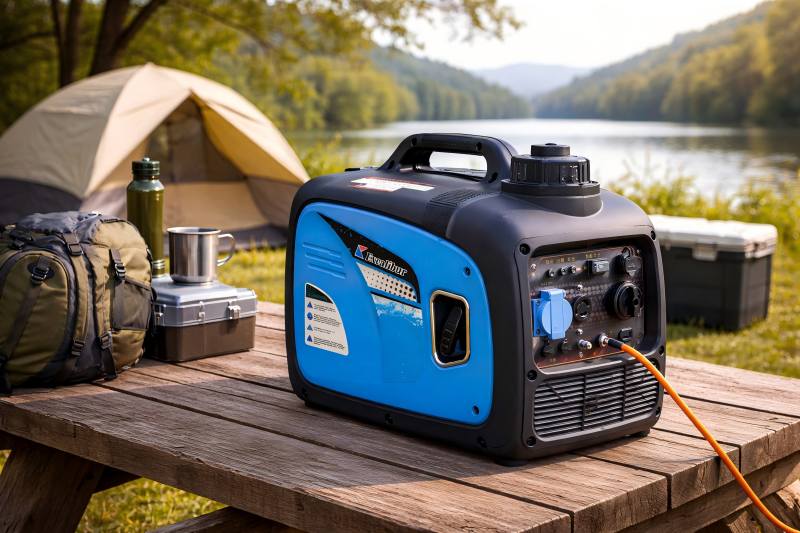
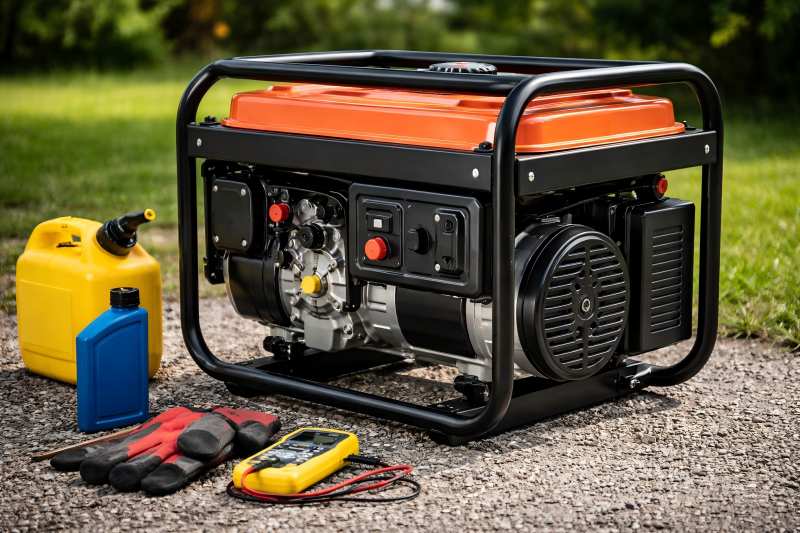
Improper generator startup can cause equipment damage, reduced engine life, unstable power output, and safety risks. This guide explains safe, step-by-step starting procedures for gasoline, diesel, and inverter generators. Understanding Your Portable Generator Before Starting Before turning any switch or pulling a recoil cord, you must understand the basic configuration of your generator. Portable generators vary widely in size, fuel type, and control systems. Common Portable Generator Types Gasoline portable generators (most common for residential use) Diesel portable generators (higher torque, longer runtimes) Inverter generators (electronics-safe, quieter operation) Core Components You Should Identify Engine ON/OFF switch Fuel valve (petcock) Choke lever (manual or automatic) Recoil starter or electric start button Circuit breakers and output sockets Oil fill and dipstick Air filter housing Understanding these parts prevents incorrect sequencing during startup. Step 1: Choose a Safe and Proper Location Generator location is a life-critical decision, not a convenience choice. Outdoor Placement Rules Place the generator outdoors only Place 20 feet away from openings Ensure the exhaust faces away from buildings Use a flat, stable, non-combustible surface ⚠️ Carbon monoxide (CO) is odorless and lethal. According to CDC data, portable generators account for over 70% of CO poisoning deaths during power outages. Surface and Environment Considerations Never operate on wet ground without protection Avoid tall grass, leaves, or combustible materials Ensure adequate airflow around the engine Step 2: Check Engine Oil Level (Critical) Starting a generator with insufficient oil can destroy the engine within minutes. How to Check Oil Correctly Turn off generator and let cool Remove the oil dipstick Wipe clean, reinsert fully, then remove again Confirm oil is between MIN and MAX marks Many modern generators include low-oil shutdown sensors, but these are not substitutes for manual checks. Typical Oil Grades SAE 10W-30 (most climates) SAE 5W-30 (cold environments) SAE 15W-40 (diesel generators) Step 3: Inspect Fuel Level and Fuel Type Using the wrong fuel or contaminated fuel is a frequent startup failure cause. Fuel Best Practices Use fresh fuel only Gasoline older than 30–60 days can degrade Avoid ethanol content above manufacturer limits (E10 preferred) Diesel should be clean and water-free Fuel Storage Data (Reference) Fuel Type Shelf Life (Untreated) Shelf Life (With Stabilizer) Gasoline 1–2 months 6–12 months Diesel 6 months 12–24 months Step 4: Disconnect All Electrical Loads Never start a generator while devices are plugged in. Why This Matters Prevents voltage spikes during startup Reduces engine strain Protects sensitive electronics Ensures stable frequency build-up (Hz) Before starting: Turn all breakers OFF Unplug extension cords Ensure no load is connected Step 5: Open the Fuel Valve The fuel valve governs how fuel moves from the tank to the engine. Fuel Valve Positions ON / OPEN – Allows fuel flow (required for starting) OFF / CLOSED – Used for shutdown and storage Some inverter generators use automatic fuel control, but manual valves are still common on open-frame units. Step 6: Set the Choke Correctly The choke increases fuel richness to help cold engines start. Choke Settings Cold engine: Choke fully ON / CLOSED Warm engine: Partial choke or OFF Auto-choke: System adjusts automatically Failing to use the choke correctly can result in: Hard starting Engine flooding Rough idle or stalling Step 7: Start the Generator (Manual or Electric) Manual (Recoil) Start Procedure Turn engine switch to ON Grip recoil handle firmly Pull slowly until resistance is felt Pull sharply and smoothly Allow rope to retract gently Electric Start Procedure Turn key or press START button Hold for no more than 5 seconds Wait 10 seconds between attempts Repeated long cranking can damage starter motors and drain batteries. Step 8: Open choke gradually Once the engine starts: Let it run 15–60 seconds Slowly move choke toward OFF Listen for smooth, stable RPM Avoid abrupt choke opening In cold weather, warm-up may require 2–3 minutes. Step 9: Allow Warm-Up Before Loading A generator should reach operating temperature before accepting load. Typical Warm-Up Times Gasoline: 1–3 minutes Diesel: 3–5 minutes Inverter: 1–2 minutes During this phase: Engine oil circulates fully Voltage stabilizes Frequency locks near 60 Hz Step 10: Connect Electrical Loads Properly After warm-up: Plug in loads one at a time Start with largest load first Avoid exceeding rated wattage Monitor engine sound and output Load Management Rule Continuous load ≤ 80% of rated output Short surge loads ≤ 100% (brief) Generator Power Reference Table Generator Size Rated Watts Typical Applications 2,000 W 1,600–1,800 Lights, phone charging, small fridge 3,500 W 2,800–3,000 Refrigerator, TV, sump pump 5,000 W 4,000–4,500 Power tools, furnace fan 7,500 W 6,000–6,500 Partial home backup 10,000 W 8,000–9,000 Full home essentials Special Starting Considerations by Generator Type Inverter Generators Eco mode OFF during startup Stable output before electronics Lower harmonic distortion (<3%) Diesel Generators Glow plug warm-up (cold weather) Higher starting torque Longer warm-up required Dual-Fuel Generators Select fuel source before starting LPG requires adequate tank pressure Gasoline startup easier in cold climates Common Startup Problems and Solutions Generator Won’t Start Check oil level (low-oil sensor) Verify fuel valve is open Inspect spark plug Drain stale fuel Starts Then Stalls Choke opened too quickly Fuel contamination Blocked air filter Rough Running Overloaded generator Incorrect choke position Carburetor varnish buildup Safe Shutdown Procedure (Equally Important) To shut down properly: Disconnect all loads Let generator run 2–3 minutes unloaded Turn engine switch OFF Close fuel valve Allow full cooling before storage This prevents fuel deposits, thermal stress, and voltage damage. Maintenance Tips That Improve Starting Reliability Change oil every 50–100 hours Run generator monthly for 15 minutes Keep battery charged (electric start) Use fuel stabilizer during storage Clean air filter regularly Conclusion Starting a portable generator correctly is not just about convenience—it directly impacts engine lifespan, electrical safety, fuel efficiency, and personal safety. By following a structured, step-by-step startup process—checking oil, fuel, load status, choke position, and warm-up time—you ensure reliable performance when power is needed most. Whether you’re preparing for emergencies, outdoor work, or off-grid living, mastering proper generator startup turns a machine into a dependable power solution rather than a liability.