When grid power is unavailable or unreliable, generators become the go-to solution. Among the most common choices today are inverter generators and conventional generators.
Understanding Conventional Generators
How Conventional Generators Work
Conventional generators convert mechanical energy into electricity using an engine powered by gasoline, diesel, or propane to drive an alternator.
The alternator generates alternating current (AC) electricity at a fixed speed, typically 3,000 or 3,600 RPM, to maintain a constant frequency (50 Hz or 60 Hz).
Because the engine runs at constant speed, conventional generators are noisier and waste more fuel at partial loads.
Key Characteristics of Conventional Generators
- Fixed engine speed to maintain stable frequency
- Direct AC output without additional electronic processing
- Higher noise levels, especially under light loads
- Rugged and simple design, proven over decades of use
Typical Applications
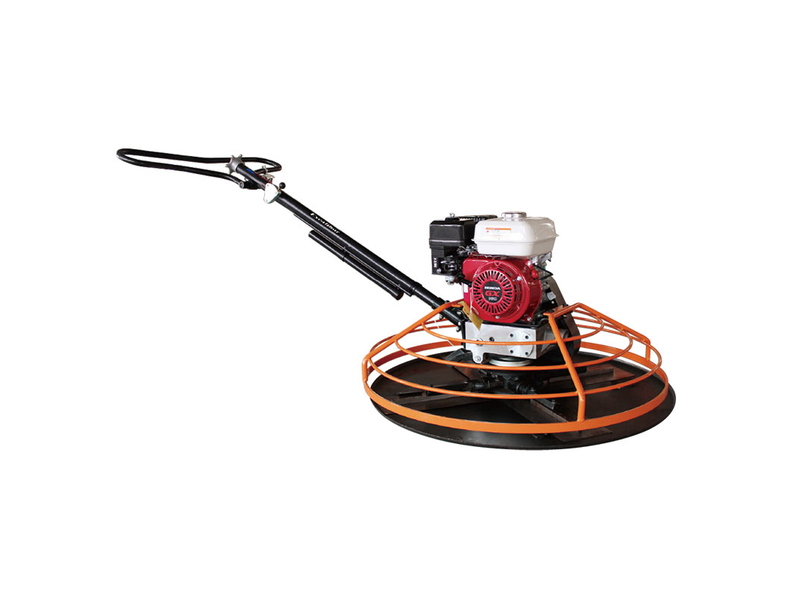
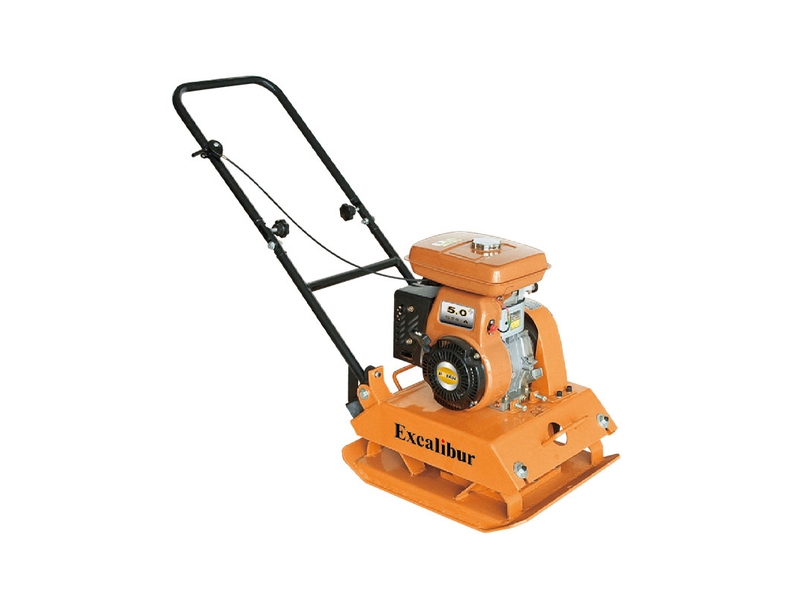
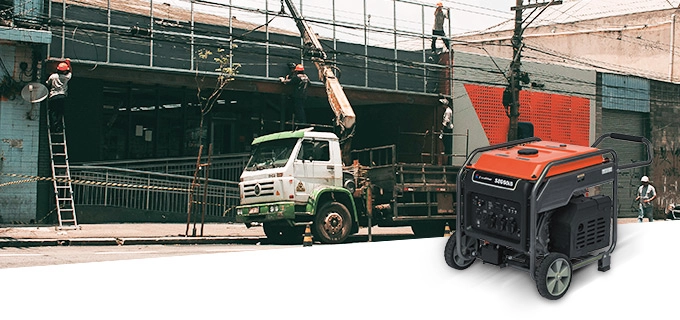
Conventional generators are widely used in situations where power demand is high and stable, such as:
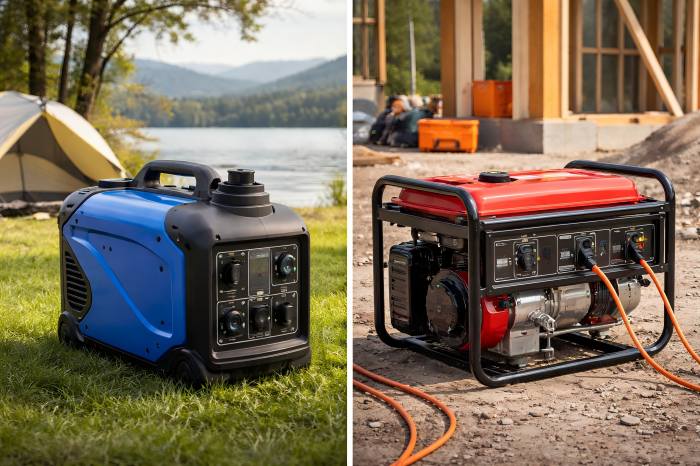
- Construction sites
- Industrial facilities
- Agricultural operations
- Emergency home backup for large appliances
Their ability to deliver high surge power makes them suitable for equipment with high starting currents, such as air compressors, pumps, and large motors.
Understanding Inverter Generators
How Inverter Generators Work
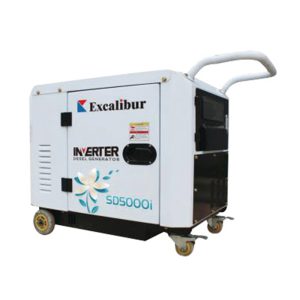
Instead of producing usable AC power directly, they first generate high-frequency AC, convert it to direct current (DC), and then “invert” it back into clean, stable AC power using electronic circuitry.
This multi-step process allows the engine speed to vary according to the load, rather than running at a constant RPM. The result is improved efficiency, lower noise, and better power quality.
Key Characteristics of Inverter Generators
- Variable engine speed based on power demand
- Clean, stable electricity with low harmonic distortion
- Quieter operation, especially at low to medium loads
- Compact and lightweight design
Typical Applications
Inverter generators are especially popular in scenarios where power quality, portability, and noise reduction are critical:
- Camping and RV use
- Outdoor events
- Backup power for sensitive electronics
- Residential use in noise-restricted areas
Power Quality: Clean vs Raw Electricity
One key difference between inverter and conventional generators is their power quality.
Conventional generators can produce voltage fluctuations and frequency variations, especially when the load changes suddenly. While this is acceptable for tools and resistive loads (like heaters or lights), it can be risky for sensitive electronics such as laptops, smartphones, medical devices, or modern TVs.
Inverter generators deliver clean power with THD typically below 3%. This level of power quality is comparable to utility-supplied electricity and is safe for delicate electronic equipment.
Noise Levels and User Comfort
Noise is a major consideration, particularly for residential or recreational use.
Conventional generators are generally louder because the engine runs at a constant high speed. Noise levels often range from 70 to 90 decibels, comparable to heavy traffic or construction noise.
Inverter generators, thanks to variable engine speed and better sound insulation, are significantly quieter. Many models operate in the 50 to 65 decibel range under light loads, similar to normal conversation or background office noise.
Fuel Efficiency and Operating Costs
Fuel Consumption Differences
Since they can adjust engine speed to match demand, they consume less fuel during partial-load operation. This makes them particularly economical for long-running, low-load scenarios.
Conventional generators, on the other hand, burn fuel at a relatively constant rate regardless of load. When running at 25–50% capacity, much of the fuel is effectively wasted.
Long-Term Cost Considerations
Although inverter generators cost more initially, their fuel efficiency reduces long-term expenses, while conventional generators are cheaper upfront but cost more to operate.
Size, Weight, and Portability
Inverter generators are usually designed for easy portability and transport. Many models feature:
- Compact frames
- Integrated handles
- Lightweight materials
This makes them easy to transport and store for mobile use, while conventional generators are larger and heavier due to bulkier engines and alternators. While this is less of an issue for stationary installations, it can be a drawback for users who need to move the generator frequently.
Maintenance and Durability
Maintenance Requirements
Both inverter and conventional generators require regular maintenance, but inverter models use advanced electronics, which can make repairs more complex and costly if problems arise.
Conventional generators use simpler mechanical systems, making them easier and often cheaper to repair, especially in remote or industrial environments where advanced diagnostics may not be available.
Durability in Harsh Environments
Conventional generators are often preferred in harsh working conditions due to their robust construction and tolerance for dust, dirt, and temperature extremes. Inverter generators, while durable, are generally better suited for controlled or residential environments.
Parallel Operation and Scalability
Many inverter generators support parallel operation for flexible power expansion. By connecting two identical units, users can effectively double their power output when needed and disconnect one unit when demand is low.
Conventional generators typically do not support parallel operation, requiring users to size the generator for peak demand from the start.
Safety and Emissions
Inverter generators typically include built-in safety features such as:
- Overload protection
- Low-oil automatic shutdown
- Stable voltage control
They also tend to meet stricter emissions standards due to their efficient combustion and electronic control systems.
Conventional generators may produce higher emissions, especially older models, and may face restrictions in regions with stringent environmental regulations.
Comparison Table: Inverter vs Conventional Generators
| Feature | Inverter Generator | Conventional Generator |
| Power Quality | Very clean, low THD | Moderate, fluctuates with load |
| Noise Level | Low to moderate | High |
| Fuel Efficiency | High, load-dependent | Lower, constant consumption |
| Size & Weight | Compact and lightweight | Larger and heavier |
| Electronics Safety | Excellent | Limited |
| Initial Cost | Higher | Lower |
| Maintenance Complexity | Moderate to high | Low to moderate |
Cost Analysis and Value Proposition
While inverter generators generally cost more upfront, they deliver superior value for users who prioritize:
- Low noise output
- Reduced fuel consumption
- Safe, stable power for sensitive electronics
Conventional generators remain cost-effective solutions for heavy-duty applications where noise and power quality are less critical, and where high wattage output is required.
Selecting the Best Generator
Choose an Inverter Generator If:
- You power sensitive electronics
- Noise levels matter
- Fuel efficiency is a priority
- Portability is important
- You need flexible, scalable power
Choose a Conventional Generator If:
- You require high power output
- You operate heavy tools or machinery
- Budget is a primary concern
- The generator will remain stationary
- You work in rugged or remote environments
Secondary Comparison: Typical Use Scenarios
| Scenario | Better Choice | Reason |
| Camping & RVs | Inverter Generator | Quiet, portable, clean power |
| Construction Site | Conventional Generator | High output, durability |
| Home Electronics Backup | Inverter Generator | Safe for sensitive devices |
| Industrial Equipment | Conventional Generator | Handles high starting loads |
| Outdoor Events | Inverter Generator | Low noise, stable power |
Future Trends in Generator Technology
As efficiency, cleaner emissions, and quieter operation gain importance, inverter generator technology continues to evolve. Hybrid systems, smart load management, and integration with renewable energy sources are emerging trends that favor inverter-based designs.
Conventional generators, however, are unlikely to disappear. Their simplicity, reliability, and ability to deliver large amounts of power ensure they will remain essential in industrial and emergency applications for years to come.
Inverter and conventional generators are designed for different priorities. Inverter generators deliver efficient, quiet operation and clean power, ideal for sensitive electronics and modern use. Conventional generators stand out for raw power, ruggedness, and affordability in demanding environments.
By carefully evaluating your power needs, operating conditions, and budget, you can confidently select the generator type that delivers the best performance and value for your specific application.