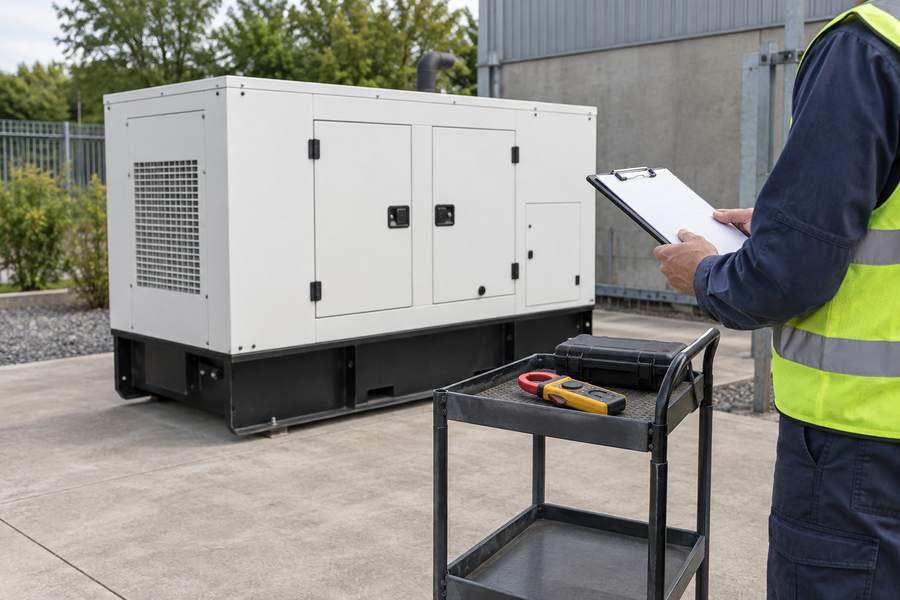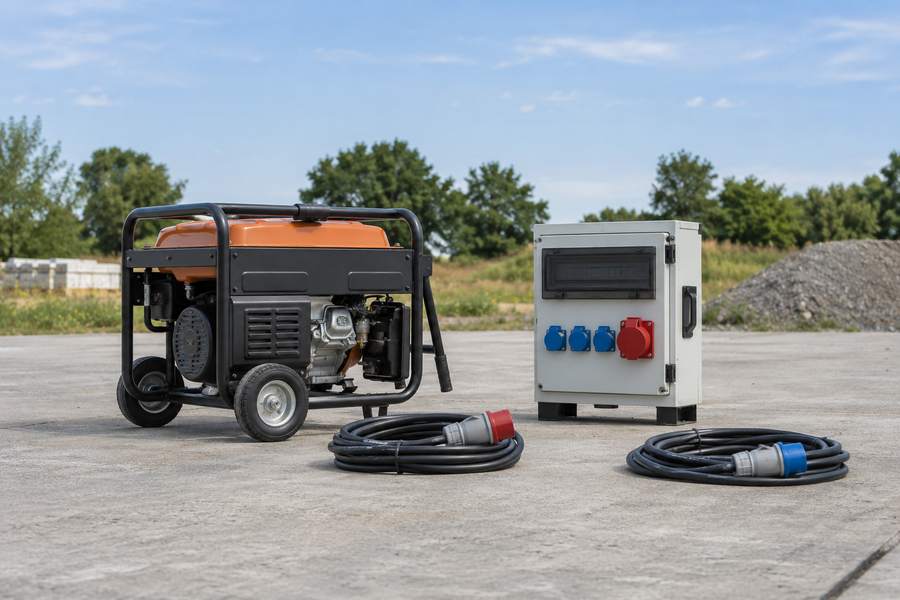
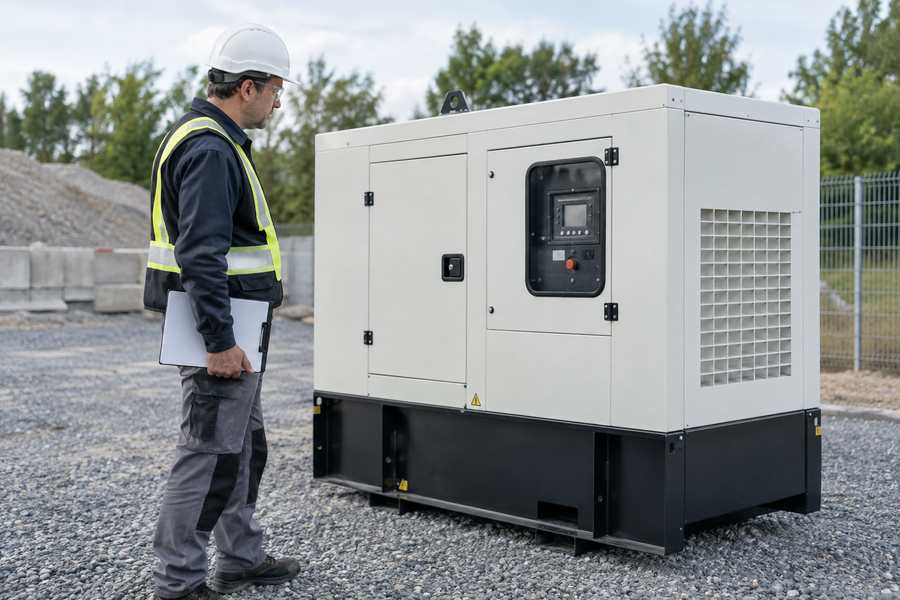
Choose digital meter functions according to the decisions the operator needs to make: whether the supply is appropriate, how heavily the generator is loaded, when maintenance is due and whether a fault needs attention. Voltage, frequency and operating hours form a useful starting point for many applications. Current, real power, energy, battery information and alarm records can add value when they are properly measured, clearly displayed and relevant to the work.
The number of functions on a brochure is a poor selection method by itself. Two products described as “five-in-one” can show different measurements, and a display may be a simple meter or part of a larger generator controller. Ask for the exact model, its measured quantities and the behavior of the supplied system. A useful panel helps the operator act correctly instead of merely presenting more numbers.
Match each reading to an operating decision
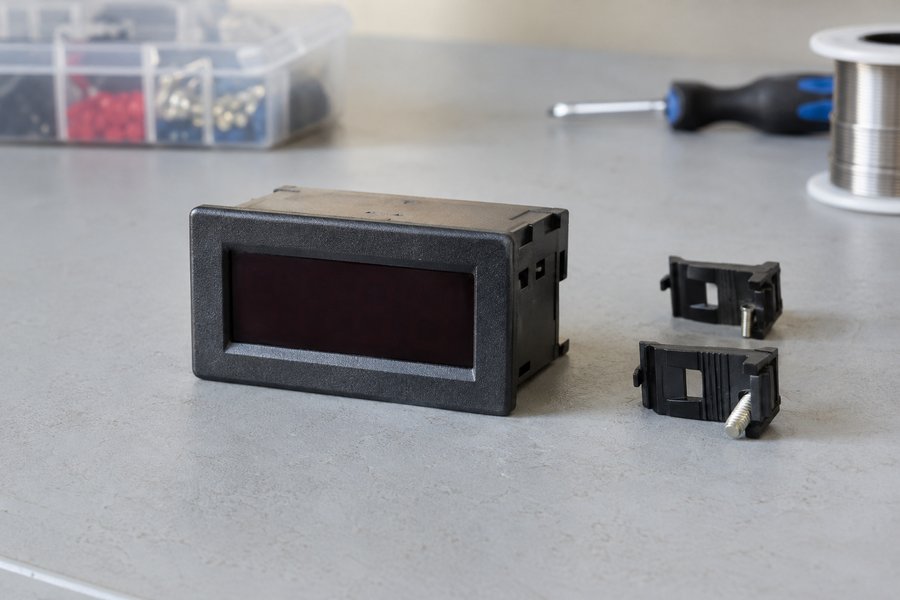
Begin with the person who will use the machine. A single owner may need a quick readiness check and a service-hours record. A rental operator may need clear loading information and a durable hour count across many customers. A technician commissioning a mixed-load installation may need readings for individual phases. These needs lead to different specifications even when the generators have similar output ratings.
Ask the supplier to show the display during normal operation, while changing screens and during an alarm. Confirm which values appear together and which require button presses. If an operator must navigate several menus to find a frequently needed reading, the function may be less useful in practice than its presence on the feature list suggests.
The diesel generator options include several meter and controller choices. Use their actual functions to build a comparison. Do not assume that the same shorthand means the same measurements across every panel, and confirm that the selected instrument is included in the final quotation.
Voltage: know which supply the display represents
A voltage reading is useful only when the operator knows where it is measured. On a single-phase unit, confirm whether it represents the main output or a particular circuit. On a three-phase unit, ask whether the display shows line-to-line voltage, line-to-neutral voltage, one selected phase or several readings. The display labels and manual should make that distinction clear.
For selectable output configurations, ask how the display changes with the operating mode. A meter scale or setting must correspond to the actual wiring. If the operator sees a plausible number but misunderstands what it represents, the display can create false confidence. Request a demonstration using the exact panel and the approved mode of operation.
Ask about measurement accuracy and refresh behavior
Request the manufacturer’s measurement range and accuracy specification where the reading will be used for acceptance or troubleshooting. Also ask how quickly the value updates. A slowly refreshed display can be useful for steady observations while missing a short disturbance during motor starting. Do not treat a normal panel reading after the event as proof that no voltage dip occurred.
Where transient performance matters, specify suitable test equipment and a recording method separately. The built-in meter is a useful operating aid, but it does not automatically replace a power-quality instrument. Keep the purpose of each measurement clear in the purchase and commissioning documents.
Frequency: observe the supply, not just the engine
Frequency information helps the operator check that the generator is delivering the intended nominal supply under the stated conditions. Confirm the selected 50 Hz or 60 Hz configuration and the display’s measurement basis. A product family offering both frequencies may still require a specific factory build or approved change procedure. The meter should not be mistaken for a control that freely changes the generator’s rating.
Give operators a written procedure for responding to substantial frequency changes during load transitions. Ask the supplier what range is expected for the approved operating conditions and what should trigger unloading, stopping or service attention. Avoid inventing one universal alarm threshold for every generator and application. Connected equipment requirements and the manufacturer’s instructions both matter.
Distinguish indication from regulation
A frequency display reports information; it does not necessarily control engine speed or automatically protect the load. Similarly, a voltage display does not become an AVR simply because both relate to voltage. Ask which component measures, which component regulates and which component responds to faults. Compare the functions wired into the supplied machine when deciding between a display-only instrument and a controller that also manages generator operation.
Operators should also understand that repeated manual adjustment is not a normal substitute for diagnosing an unsuitable load or a mechanical problem. Provide a clear escalation path when readings fall outside the manufacturer’s approved conditions. A useful panel is supported by usable instructions.
Current: choose information that reveals loading limits
Current readings can help operators understand how the generator is being loaded, especially where several circuits or phases are available. Ask whether the instrument measures total output, one line or each phase separately. For a three-phase generator supplying mixed single-phase loads, an average value can hide the most heavily loaded phase. The display should provide the information needed to respect the actual phase and outlet limits.
Confirm the measurement hardware as well as the screen function. A current-transformer arrangement, where used, must be suitable for the circuit and correctly configured. Ask the supplier to verify the supplied sensor ratio and settings during assembly and testing. A capable display with an incorrect configuration can show misleading values.
Do not confuse current with available watts
The relationship between current and real power depends on voltage, phase arrangement and power factor. An operator cannot always convert an ampere reading into usable kilowatts using one fixed shortcut. If real power is important to the application, ask for an actual real-power measurement and its specified accuracy rather than relying on an assumed conversion.
Individual outlets and breakers can also impose limits that differ from the generator’s overall capacity. Approve a panel layout that makes these limits understandable. Current information should support the loading instructions, not encourage the operator to exceed a socket rating because the engine still sounds comfortable.
Operating hours: make maintenance history dependable
An hour meter is especially useful when maintenance depends on operating time. Ask when it accumulates hours: engine running, generator output present or another detected condition. Also confirm whether the total is retained when the battery is disconnected and whether ordinary operators can reset it. These details affect how reliably the record can support maintenance scheduling.
For a fleet, distinguish lifetime hours from a resettable trip or job counter. The two can serve different purposes. A trip counter may help record usage over a hire period, while lifetime hours support service history. If both are required, specify them separately and confirm how they are displayed and protected from accidental reset.
Plan for meter replacement
Ask how service history should be preserved if the meter or controller is replaced. The original running total may not automatically transfer to a new instrument. Maintain the machine’s accumulated history in a separate service record with the replacement date and readings. This is an operational practice, not a reason to reject a meter that otherwise suits the application.
Confirm that maintenance reminders, if supplied, match the actual engine schedule and can be managed by the responsible technician. A generic reminder interval is not a substitute for the manufacturer’s manual, particularly where severe conditions require a different inspection or service approach.
Power and energy: useful when they answer a real question
A real-power display can support load assessment and comparison with an approved operating profile. Ask whether the displayed value is measured from voltage and current with the appropriate phase relationship or simply estimated. Confirm which output paths are included. The function is most useful when the operator can relate it to the generator’s documented limits.
An energy counter records consumption over time, commonly expressed in kilowatt-hours. It can help compare jobs or operating patterns, but its suitability for billing or contractual allocation requires separate consideration of accuracy and applicable requirements. Do not assume that any panel energy counter is a certified billing meter. Explain which operating decision depends on the reading, allowing the supplier to propose the necessary instrument and measurement arrangement.
| Function | Typical operational question | Detail to verify |
| Voltage | Is the expected supply present? | Measurement points and accuracy |
| Frequency | Is the supply operating at the intended frequency? | Update behavior and relevant limits |
| Current | Which circuit or phase is heavily loaded? | Individual phase coverage and sensor configuration |
| Running hours | When is service due? | Accumulation method and retained total |
| Real power | What useful demand is being supplied? | Actual measurement method and included outputs |
| Energy | How much electricity was delivered over a period? | Reset behavior, retention and intended use |
| Alarm record | What happened before the interruption? | Event detail, retention and retrieval |
This table is a selection aid rather than a requirement to buy every function. A clear three-function display may be more useful for a simple task than a complex controller whose additional information nobody uses. Spend the specification effort on readings that support a defined decision.
Battery, oil and temperature information need context
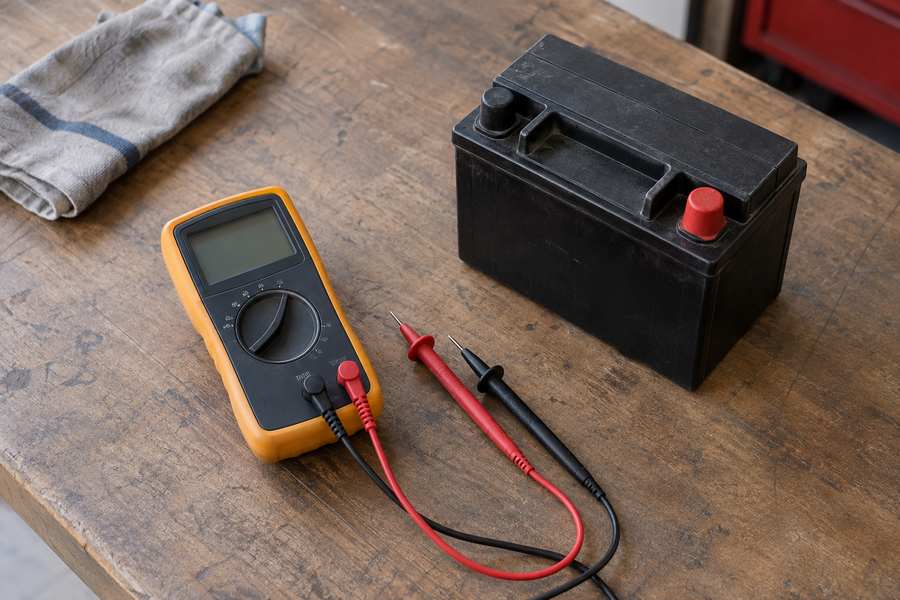
Battery-voltage information can help with starting-system observations, but it does not by itself establish the battery’s full condition or starting capability. Ask when the reading is available and what the operator should do when it falls outside the manufacturer’s guidance. If standby readiness is important, confirm whether the information can be viewed before the engine starts.
Oil and temperature indications depend on the sensors and engine arrangement actually supplied. A warning symbol is different from a numeric pressure or temperature measurement. An air-cooled engine should not be described as providing coolant-temperature information unless the relevant system exists. Ask the supplier to identify the measured quantity, sensor and response for every displayed warning.
Separate the meter from the protection system
A panel may display a warning without shutting down the engine. Another may trip the electrical output or stop the machine automatically. Request a function schedule explaining which action follows each condition. The instrument’s brochure may describe capabilities that are not connected or enabled on the supplied generator, so verify the complete installed system.
Where automatic protection is specified, request an approved functional test and the relevant settings record. Testing should use safe manufacturer-approved methods. It should not involve intentionally damaging the engine or creating an unsafe electrical fault to demonstrate that the display changes.
Consider visibility, durability and operator access
Ask to see the panel in realistic lighting, including bright daylight if the generator will be used outdoors. Check digit size, contrast, viewing angle and button identification. A readable photograph taken in a dark workshop may not show how the instrument performs in the intended environment. Confirm the panel’s environmental suitability as part of the generator configuration.
For shared equipment, specify which settings operators may change and which should remain controlled by service personnel. Accidental changes to sensor ratios, protection settings or display modes can make a correct instrument misleading. The manual should explain normal operation without encouraging unnecessary access to configuration menus.
When comparing open diesel generator panels with an enclosed diesel generator configuration, check the instrument and its position separately from the housing. The same function can be easier or harder to read depending on how the panel is installed and where the machine operates.
Specify the display you can actually use
The order should identify the instrument model, required readings, measurement channels, supplied sensors and enabled alarms. Include the panel layout, operating instructions and any settings that need configuration control. Ask for a demonstration of the normal screens and the approved fault indications before accepting the final build.
For a repeat order, retain the approved screen photographs and instrument revision alongside the panel drawing. If the supplier substitutes another display, review the measured functions, button sequence and alarm indications before approval. A similar faceplate does not establish that operators can use the replacement in the same way or that its readings have the same measurement basis.
During acceptance, compare relevant readings with suitable reference instruments under agreed conditions. Record the result and any limitations of the built-in display. The best digital meter is the one whose information the operator can interpret and use reliably, supported by accurate measurement, appropriate protection and a clear connection to the generator’s operating instructions.