Your purchase specification should identify the protections fitted to the exact diesel generator, what each one detects and what action follows. Relevant items can include overload and short-circuit protection, low-oil protection, temperature monitoring, voltage and frequency supervision, starting-system safeguards and emergency stopping where required. The list must distinguish a warning from an electrical trip or engine shutdown. A general promise of “multiple protection systems” does not establish the delivered behavior.
Protection is best specified as a set of functions with evidence. For each function, record the sensor or protective device, the condition detected, the relevant setting or operating basis, the response, the reset procedure and the test method. That approach makes the requirement useful to purchasing staff, factory technicians, installers and the people who will operate the machine.
Begin with the faults you need the system to handle
Separate engine-related faults from electrical output faults and installation hazards. An engine can be at risk even when the electrical load is modest, while an electrical circuit can require disconnection even when the engine runs normally. A generator’s protective equipment also cannot replace all the protection required by the site’s distribution and transfer arrangement.
Describe the application before selecting functions. A portable generator used by a nearby operator has different monitoring needs from a machine that starts automatically outside the operator’s view. Mixed single-phase loads, motor starting, dusty sites and repeated transport can also affect the practical review. Tell the supplier about these conditions so the proposed configuration can be assessed against actual use.
The diesel generator product range provides an initial overview of available features. Use a model-specific protection schedule for the purchase itself. A feature described on a category page should not be treated as confirmed on every engine, panel or controller offered within that range.
Engine protection: ask what is actually sensed
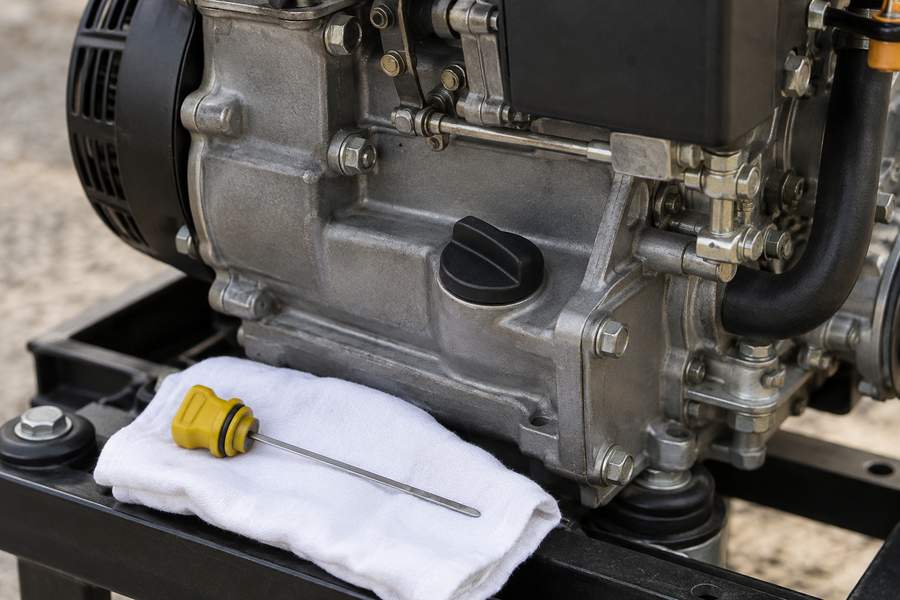
Low-oil protection is a common enquiry item, but the wording can hide different systems. Ask whether the supplied machine senses oil level, oil pressure or another defined condition. A low-level warning and a low-pressure shutdown are not interchangeable descriptions. Identify the actual sensor and explain the response in terms an operator can understand.
Confirm whether the condition produces an indicator, an audible warning, a stop command or a combination. Ask how starting is affected when the condition is present and how the operator clears the fault after correcting the cause. The instructions should make it clear that resetting a warning does not replace checking the underlying condition.
Temperature protection depends on the cooling arrangement
For liquid-cooled engines, relevant temperature monitoring may involve the coolant system. An air-cooled engine has a different arrangement and should not be described using a coolant sensor that it does not contain. Ask which temperature is measured, where the sensor is located and what response has been approved for that engine.
Cooling protection also does not excuse unsuitable installation. Blocked airflow, inadequate clearances or an unapproved enclosure can create operating problems that should be prevented through correct use. Request the environmental and installation requirements alongside the protective-function list. A temperature warning is one part of equipment protection, not permission to ignore the cooling instructions.
Include speed-related functions where applicable
Ask whether the controller supervises engine speed or generator frequency and how it handles an unacceptable condition. The measurement basis and action should be clear. Do not assume that a displayed speed or frequency value means an automatic shutdown function is enabled. The supplier should identify what is fitted, connected and configured on the delivered unit.
Where starting involves preheat, cranking limits or a failed-start response, document those functions as well. They protect the starting process and inform the operator when repeated attempts should stop. The approved sequence should match the engine and starter rather than using arbitrary settings copied from another generator.
Output protection: distinguish overload from short circuit
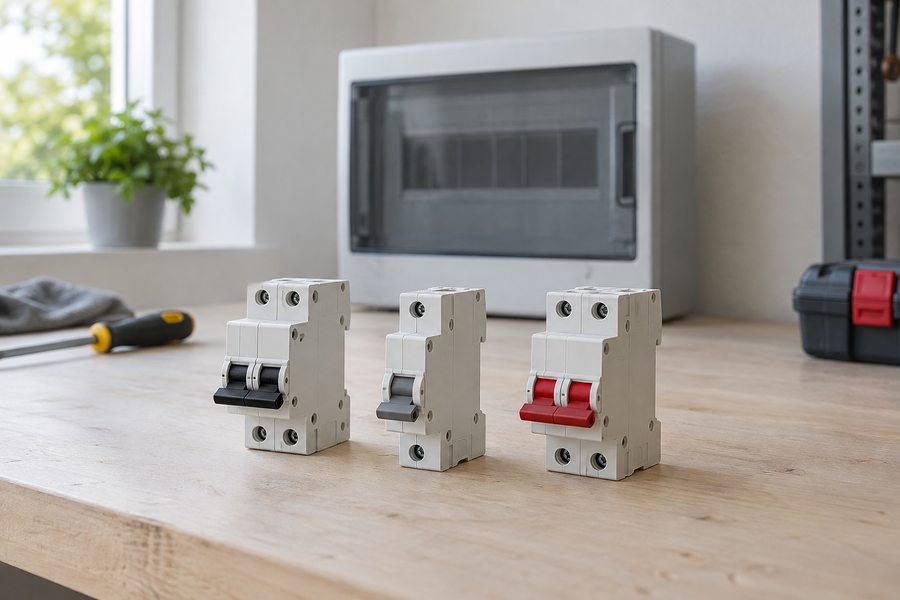
An overload involves demand beyond the permitted operating capacity of a circuit or machine. A short circuit is a different fault condition and can require a different protective response. Ask the supplier to identify the devices that address each, including their ratings and the output circuits they protect. A single “protection” checkbox does not explain the arrangement.
The output breaker and the connected distribution system must be assessed together. Generator fault behavior differs from an unlimited utility source, so protective coordination requires suitable technical information and qualified review. The installer should determine whether the proposed devices and settings provide the required protection for the application. Do not prescribe settings solely from the generator’s headline power figure.
Check each outlet and any shared limit
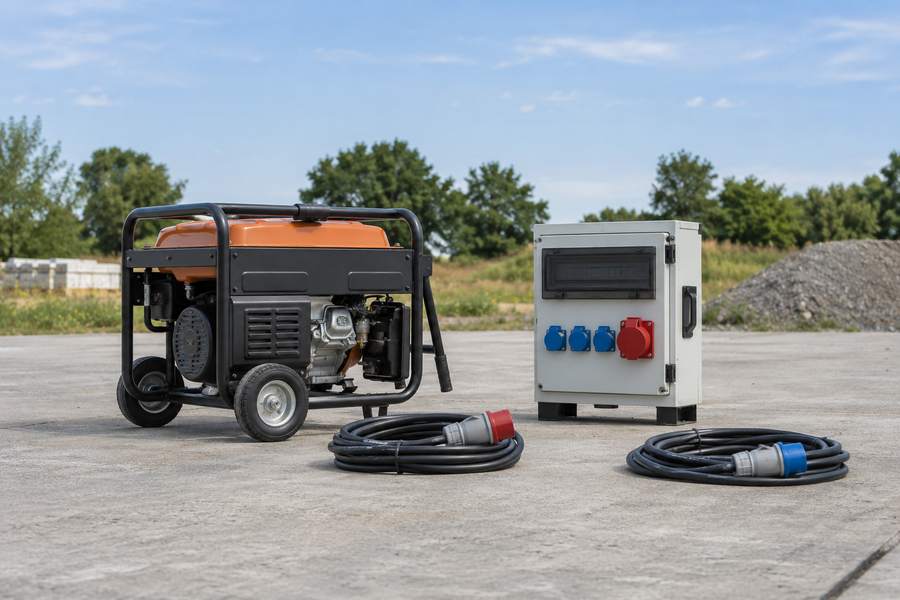
Ask for a panel drawing showing the outlets and associated protective devices. Confirm whether receptacles share a breaker or a winding limit. A generator can have adequate total capacity while one socket or circuit is overloaded. Clear labelling and instructions should help the operator respect both the individual connection limits and the complete machine’s rating.
For three-phase configurations, ask how phase loading is monitored and what restrictions apply when single-phase loads are connected. A total-power indication may not reveal an overloaded phase. Where phase imbalance or phase-related protection is required, obtain explicit confirmation of the supplied function and its measurement coverage.
Voltage and frequency: identify the response, not just the display
A voltmeter or frequency display provides information. Automatic supervision requires a defined protective function. Ask whether an unacceptable voltage or frequency triggers an alarm, opens the electrical output, stops the engine or initiates another approved action. Identify the condition, delay and reset behavior in the protection schedule.
The appropriate limits depend on the generator and connected equipment. A motor, electronic controller and heater may tolerate disturbances differently. Provide the relevant load requirements to the supplier and installer rather than selecting one universal threshold from an online example. Settings should support the intended application without creating inappropriate trips or leaving important faults undetected.
Separate regulation from protective disconnection
An AVR helps regulate voltage within the operating capability of the system. It does not automatically provide every form of overvoltage, undervoltage or waveform protection the buyer might need. Ask which protective functions exist independently of regulation and how they act. The same distinction applies to engine speed control and frequency supervision.
If sensitive equipment is central to the purchase, define the relevant supply requirements and testing separately. A list of protective devices cannot by itself establish waveform quality or compatibility during a starting transient. Protection, regulation and performance evidence answer related but different questions.
Installation protection: establish the boundary of supply
Ask the installer to assess earthing, neutral arrangement, residual-current protection where applicable, cable protection and transfer equipment for the intended use. These requirements depend on the complete installation and local rules. A grounding terminal on the generator or a protection label in a brochure does not settle the design.
Specify who supplies each part of the protective arrangement. Some devices may be fitted to the generator, others to a distribution board or transfer assembly. Identify the interfaces and the information each supplier must provide. This avoids a gap in which every party assumes another party is providing an essential function.
Explain emergency stopping and service isolation
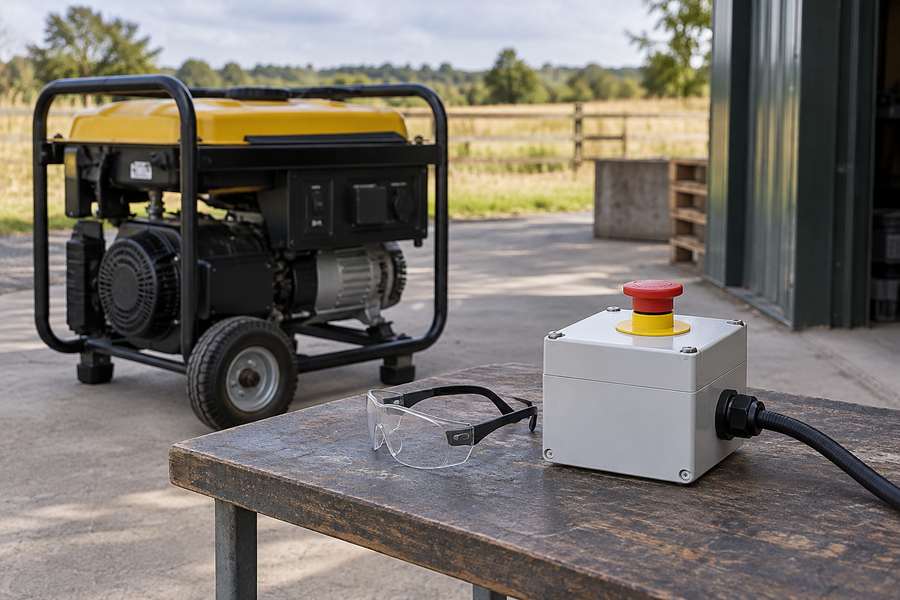
Where an emergency stop is required, ask what it stops and what remains energized afterward. Its location, identification and reset behavior should suit the approved application. Emergency stopping and the isolation required for maintenance are not automatically the same function. The operating and service instructions should explain the distinction.
For remote or automatic starting, include a procedure that prevents an unintended start during work on the machine. Ask what happens after control power returns, after a fault is reset or after a remote request remains active. The supplier should demonstrate the approved behavior rather than leaving the operator to discover it during service.
Use a protection matrix in the order
The matrix below illustrates the fields to complete. The matrix identifies questions for the supplier; the equipment fitted to an individual generator may cover only some of these functions. The supplier should mark each requirement as supplied, optional, not applicable or requiring additional site equipment, with the relevant explanation.
| Function | Detection to identify | Response to specify | Evidence |
| Oil protection | Actual level or pressure sensor | Warning or shutdown and reset | Sensor description and approved test |
| Temperature protection | Actual engine or cooling measurement | Alarm, trip or shutdown | Model-specific functional record |
| Overload protection | Device and protected circuit | Disconnection behavior | Device ratings and coordination review |
| Short-circuit protection | Applicable protective devices | Required fault response | Technical data and installer assessment |
| Voltage and frequency supervision | Measured channels and limits | Alarm, output trip or stop | Settings record and simulation |
| Failed starting | Crank sequence and run detection | Stop attempts and notify operator | Approved sequence test |
| Emergency stopping | Stop circuit and affected equipment | Stop and restart requirements | Functional demonstration |
For each applicable row, add the responsible party and document revision. Keep terms consistent: if the supplier says “alarm,” do not translate it into “automatic shutdown” elsewhere in the order. This prevents an apparently detailed specification from promising behavior that the supplied system never had.
Request safe, traceable functional testing
Testing should demonstrate the required response without damaging the engine or creating an unsafe electrical condition. Ask for the manufacturer’s approved simulation or test method. A low-oil function, for example, should not be proven by deliberately operating the engine without adequate lubrication. The technician should use an appropriate controlled method for the fitted system.
The test record should identify the unit or tested configuration, function, method, observed response and result. If a test is performed on a design sample rather than every production unit, state that scope. The buyer can then distinguish design evidence from routine assembly checks. Both may be useful, but they answer different quality questions.
Confirm that settings and sensors match the record
A controller can support a function that is disabled, incorrectly configured or missing its required sensor. Ask the factory to verify the installed inputs, outputs and relevant settings against the approved schedule. The final record should describe the delivered system, not merely reproduce a controller manufacturer’s list of possible capabilities.
For repeat batches, require review of changes that could affect protection. A substituted controller, sensor or breaker may alter behavior even if the machine’s appearance is unchanged. The approval process should identify whether new testing or document revisions are needed before shipment.
Compare three different fault responses
Consider a hypothetical temperature-related fault during operation. One proposed panel might illuminate a warning and leave the engine running. Another might stop the engine after a documented delay. A third might first remove the electrical load and then follow an approved stopping sequence. These are different functional offers even if all three quotations use the phrase “temperature protection.” The buyer needs to know which behavior is appropriate and which the delivered machine actually provides.
Record what the operator will see in each case. Does a warning remain visible after the engine stops? Is the cause retained when power is removed? Can a remote operator distinguish this fault from a failed start? Those details affect diagnosis and response, especially when the generator serves equipment beyond the operator’s direct view.
Then check the recovery procedure. The machine should return to service only through the manufacturer’s approved process after the cause has been addressed. Ask whether a reset clears only the indication or also permits an active automatic-start request to restart the engine. A clear explanation of recovery behavior belongs beside the original fault response, because the protective sequence is incomplete until the operator understands both.
Make the protection usable after delivery
The operator needs clear alarm indications, an understandable response guide and access to the correct manual. Ask which faults require service attention and which checks an operator may perform. Include a record of unresolved alarms at handover. Resetting the panel without correcting a fault should not become the routine way to restore operation.
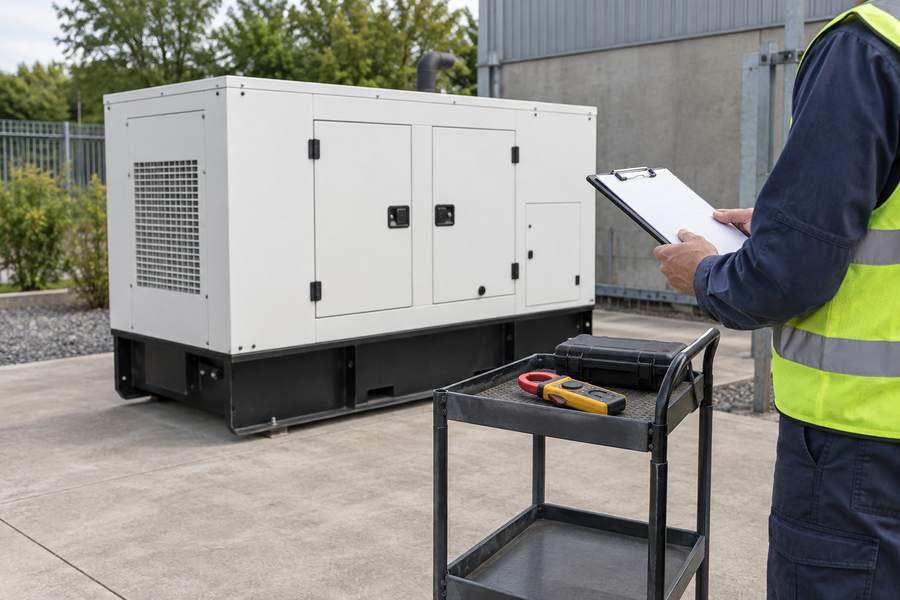
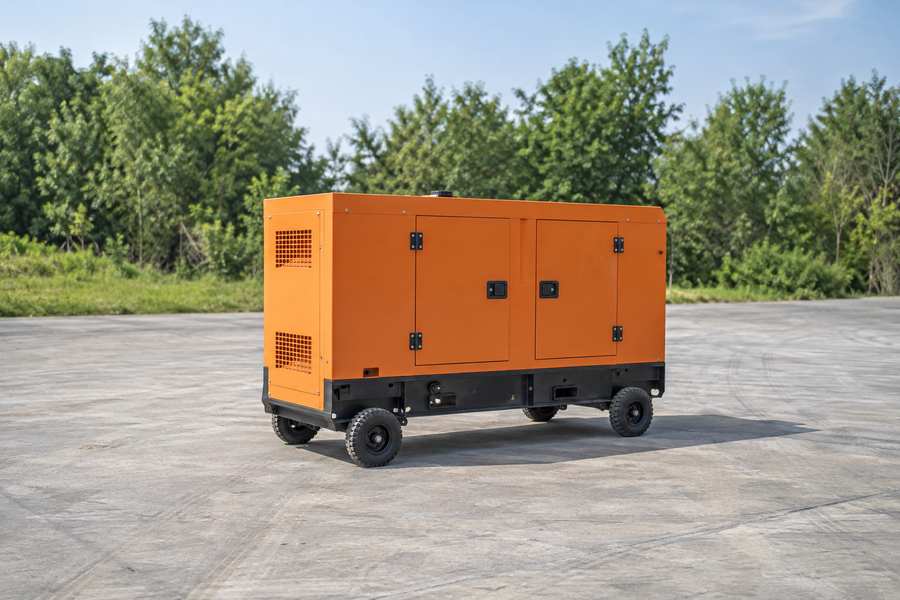
When comparing open diesel generator builds and silent diesel generator builds, apply the same function-based review. The enclosure style does not establish the protection level. Base approval on a verified list of fitted protective components, their enabled responses and the supporting test records for that generator configuration.
An effective protection specification is therefore more than a long feature list. It tells the factory what to supply, gives the inspector something to verify and tells the operator what a warning or shutdown means. Keep that chain intact from the quotation through the approved build and the final service documents.