Compare diesel generator quotations by first making the technical configuration and supply scope equivalent, then comparing the commercial total on an agreed delivery basis. The lowest unit price may exclude equipment, testing, documents or logistics that another supplier includes. A useful comparison separates confirmed items, priced options, exclusions and unresolved questions. Do not rank offers until those differences are visible.
Issue a controlled enquiry document to all bidders, with an identical revision number and scope of supply. Ask each to respond against it, identifying deviations explicitly. This reduces the need to reconstruct what a short quotation means later. It also makes follow-up discussions more productive: suppliers can explain a specific difference instead of repeating that their product has good quality or a competitive price.
Create a common technical baseline
The baseline should identify required voltage, frequency, phase arrangement, rated output and operating duty. Include the load schedule, starting requirements, site conditions and intended hours of use. Where the generator must integrate with other equipment, describe the interfaces. These details establish what the machine needs to do before the buyer considers the headline price.
Separate rated output from maximum output, and identify whether figures are in kW or kVA. Confirm the power factor associated with the quoted rating. Two offers can carry similar numbers while describing different electrical capability. A comparison that places maximum kW from one supplier beside rated kVA from another has not yet reached the pricing stage.
The diesel generator range can help define the relevant product family. The comparison sheet should then identify the exact selected model and options. Do not use a broad category description as proof that every quoted machine includes the same engine, panel, protection or starting equipment.
Make deviations easy to see
Give each requirement a separate line and ask suppliers to mark it as compliant, an offered alternative, an option or an exclusion. Add a column for the supporting document. An unanswered line should remain unconfirmed. It should not become compliant simply because the quotation does not mention a problem.
When a supplier proposes an alternative, ask how it affects the application. A different engine, voltage configuration or panel may be perfectly usable, but it should be assessed as a deliberate change. Record the decision and keep the original requirement visible so the commercial comparison does not quietly drift between revisions.
Compare the delivered configuration, not the model label
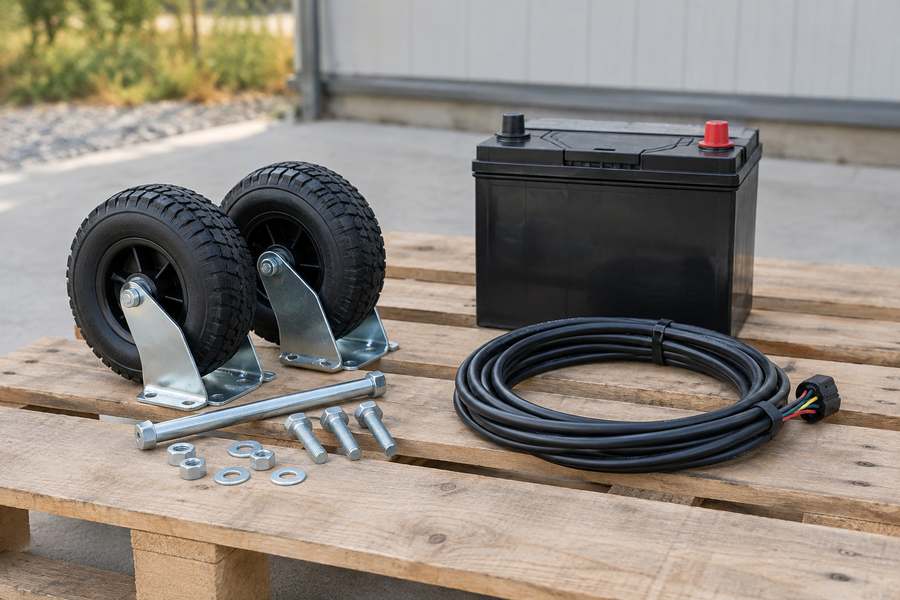
List the engine and alternator identification, controller or meter, starting method, fuel tank and outlet arrangement. Include wheels, handles, battery, charger and accessories where they matter. Ask which items are standard on the quoted build and which require an added charge. Similar product photographs do not establish identical contents.
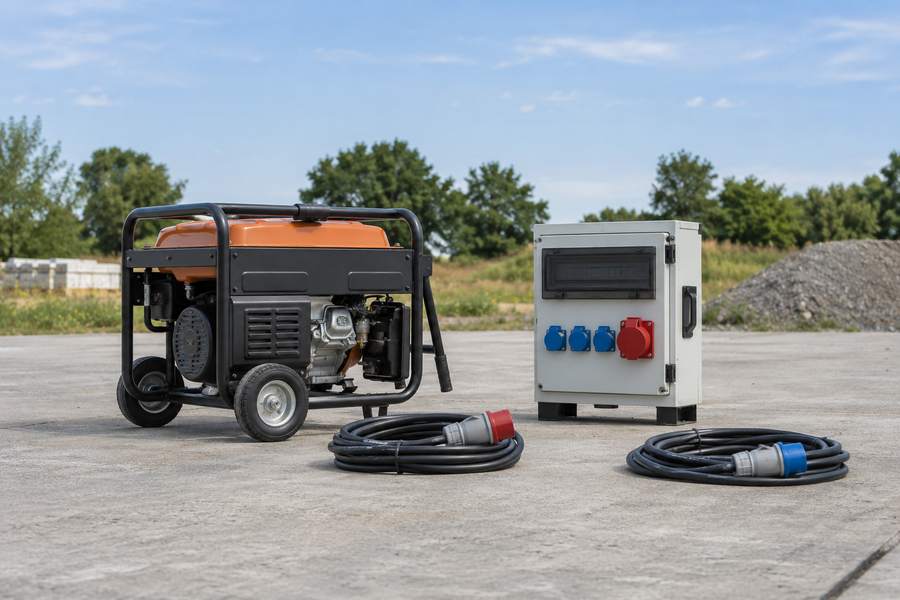
For a portable generator, details such as outlet type and wheel kit can materially change the delivered usefulness. A machine with the wrong sockets may need additional distribution equipment. A heavy unit without the expected handling kit may be difficult to deploy. Those differences belong in the comparison even if they seem minor beside the generator’s electrical rating.
Keep open and enclosed proposals distinct
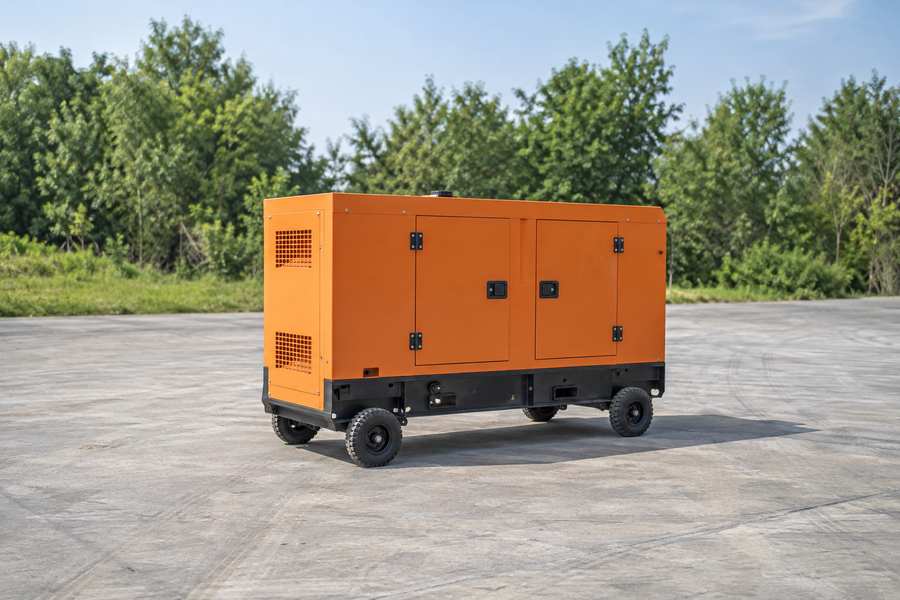
Compare open diesel generator configurations against the same performance and accessory requirements. If an enclosed alternative is also being considered, record the reasons and its separate noise, handling and service-access characteristics. Do not treat a different housing as a price-only change.
For noise claims, compare the measurement basis as well as the number. Distance, load and test conditions matter. A lower stated value is not automatically better when it was measured under different conditions. Ask for suitable evidence if noise performance is a material purchase requirement.
Build a scope matrix before calculating the total
A scope matrix shows what each quotation includes and prevents the buyer from pricing around hidden gaps. Use specific items instead of broad descriptions such as “complete set.” Identify the generator itself, supplied accessories, documents, testing, packing and any installation or commissioning services. Assign responsibility for items outside the supplier’s scope.
| Comparison line | Evidence or detail needed | Treatment if missing |
| Generator configuration | Model, voltage, frequency, phases and rated duty | Technical clarification required |
| Starting equipment | Battery, charger, controller and remote accessories | Confirm inclusion or add priced option |
| Output connections | Socket layout, ratings and matching connectors | Assess additional equipment required |
| ATS arrangement | Approved pairing, cables and commissioning boundary | Compare as a separate defined package |
| Testing | Tests, sampling scope and acceptance records | Obtain a priced equivalent scope |
| Documents | Manuals, diagrams and parts information | Specify required delivery package |
| Packing and handling | Crates, dimensions, weights and instructions | Align logistics assumptions |
If an item cannot be priced reliably, leave the total marked incomplete. A guessed allowance can make an offer look comparable while hiding a substantial uncertainty. Ask for an updated quotation or an explicit exclusion and decide whether the remaining risk is acceptable for the purchasing process.
Normalize prices with a transparent example
The following figures are a hypothetical comparison exercise in USD per generator, prepared for illustration rather than as market quotations. Assume identical approved electrical configurations and a factory-collection basis. Taxes, international freight, insurance, import charges, installation and site commissioning are excluded from all three columns. The example applies to no particular country, supplier or current product price.
| Item | Offer A | Offer B | Offer C |
| Base generator | USD 900 | USD 960 | USD 1,020 |
| Required wheel kit | USD 45 | Included | Included |
| Required battery | USD 55 | Included | Included |
| Required test record | USD 30 | USD 30 | Included |
| Equivalent stated scope | USD 1,030 | USD 990 | USD 1,020 |
On these assumptions, the lowest base price is not the lowest price for the agreed scope. The result does not prove that Offer B is the best purchase; quality evidence, warranty support, delivery and other requirements still need review. The example simply shows why an equivalent-scope subtotal is more useful than a base-price ranking.
Separate estimates from supplier commitments
If a buyer adds an internal estimate for an excluded item, label it as an estimate and identify its basis. Do not place it in the same category as a supplier’s confirmed price without explanation. Use current written quotations for real decisions, and record their validity periods. The purchasing file should make it clear which costs are committed and which may change.
For offers in different currencies, retain the conversion method and the date of the exchange rate used in the comparison. Consider how payment timing affects the actual exposure. A normalized spreadsheet is a decision aid, not a guarantee that the final amount paid will match the initial conversion. Keep the original quoted currency visible alongside the comparison value.
Align the delivery and logistics basis
State the named delivery location and the agreed commercial delivery term in full. Ask which costs and responsibilities are included in the quotation and have the relevant procurement or logistics specialist review them. A short shipping abbreviation without a named place can leave important assumptions unclear. The comparison should distinguish factory supply, transport, insurance and destination-side services as applicable.
Obtain packing dimensions, gross weight, unit count per package and any handling constraints needed for a freight estimate. Ask whether batteries or other supplied items affect the shipment arrangements. Use the proposed packing configuration rather than a generic product dimension. Shipping a palletized batch can have a different cost structure from shipping individual cartons.
Define the schedule from a clear starting event
Lead time may run from deposit receipt, drawing approval, sample acceptance or another event. Ask each supplier to identify that starting point and the promised milestone. A short quoted production period can be misleading if a long approval or material-preparation stage sits outside it. Compare the expected delivery sequence rather than one isolated number of days.
For staggered orders, identify the batch sizes and delivery dates. Ask what happens if the approved configuration changes after the first batch. Keep schedule assumptions separate from production capacity claims so the buyer knows which dates are commitments and which are preliminary planning statements.
Evaluate test evidence as part of the purchase
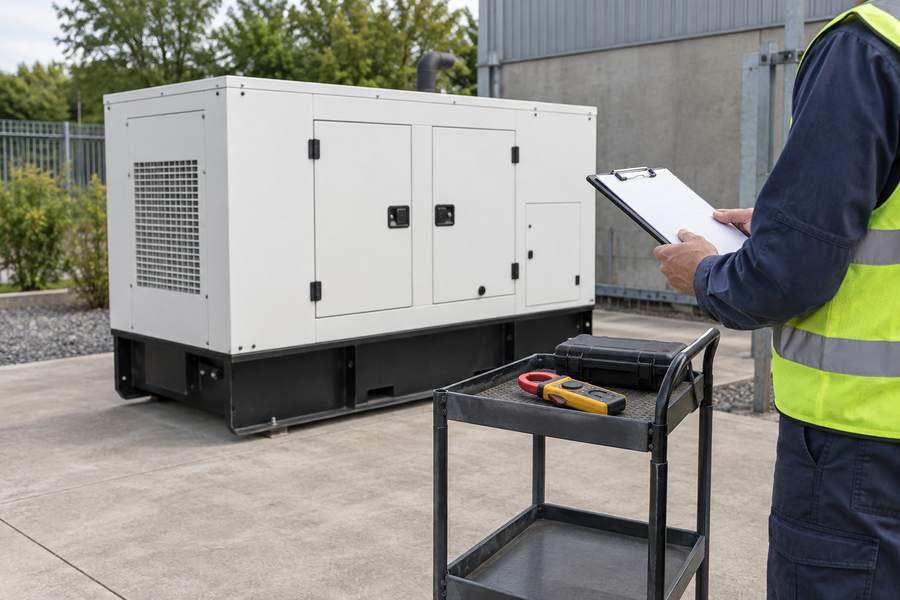
Ask which tests are included, which units are tested and what records will be delivered. A factory may perform routine checks on every unit and more extensive validation on selected samples. Both can be appropriate when the scope is clear. Do not compare “tested before shipment” statements as though they describe identical work.
Include the important acceptance requirements from the application: electrical configuration, output performance, relevant starting behavior, protection functions and supplied accessories. If a witnessed inspection or third-party inspection is required, define the responsibilities and cost. The quotation should say whether access, test equipment and any repeat inspection after a failure are included.
Keep acceptance criteria separate from general assurances
Statements about high quality, durable construction or strict inspection are not measurable acceptance criteria. Ask for documents and observable requirements tied to the approved build. The buyer should be able to explain why a delivered unit passes or fails without relying on a subjective impression of workmanship alone.
For a bulk order, require a method of linking units to the approved configuration and the relevant test records. Link any sample-approval record to the specific machine and the configuration revision that the buyer accepted. A production machine that looks similar can still contain a changed panel, controller or alternator that needs review.
Compare the practical service offer
A warranty period is only one line in the service comparison. Ask what the warranty covers, what conditions apply, how faults are reported and who performs diagnosis or repair. List supplier-covered charges separately from expenses the purchaser must arrange and pay. Use the supplier’s written terms rather than an informal sales summary.
Also assess the parts and documentation package. Ask for a model-specific parts catalogue, maintenance information and identification of common service items. Confirm how replacement parts are ordered and what lead times are offered for the relevant market. A low acquisition price may be less attractive when the support arrangement cannot sustain the intended use.
Compare serviceability without inventing lifecycle savings
Maintenance access, parts availability and fuel data can inform a longer-term evaluation, but they do not justify unsupported claims about total savings. If a lifecycle calculation is needed, state the operating hours, load profile, fuel price, service schedule and cost assumptions explicitly. Distinguish manufacturer data, current quotations and internal estimates.
Run sensitivity checks for uncertain inputs rather than presenting one precise total as inevitable. Use the sensitivity exercise to identify assumptions that could reverse the ranking of the available offers. A comparison can remain useful even when future fuel prices or repair costs are unknown, provided those uncertainties are visible.
Keep quantity and option changes under control
Price discussions often change the order while the comparison is still being prepared. A supplier may offer a lower price at a larger quantity, or the buyer may remove an accessory to meet a target budget. Record these as distinct scenarios. A price for a different order quantity or reduced specification should not replace the original figure without changing the comparison heading and assumptions.
For example, if one offer includes a starter-parts package for a fleet and another prices only the generators, decide whether the parts package is required. If it is, obtain an equivalent offer. If it is optional, show it separately. Do not quietly remove a service requirement merely to make the preferred supplier appear cheaper. Show which operating capability or support item changes whenever a proposed reduction lowers the purchase total.
The same approach applies to private branding, translated manuals and special packing. Identify one-time preparation charges separately from per-unit charges, and state the quantity over which any internal allocation is calculated. Confirm whether later repeat orders incur those charges again. This keeps the initial order comparison useful without assuming that the same cost structure will apply indefinitely.
Resolve the last discrepancies in one clarification round
Send suppliers a concise list of remaining differences and request a revised, consolidated quotation. Avoid relying on scattered messages that modify individual lines without updating the main document. The final offer should contain the approved configuration, inclusions, exclusions, delivery basis, payment schedule and document references in one controlled revision.
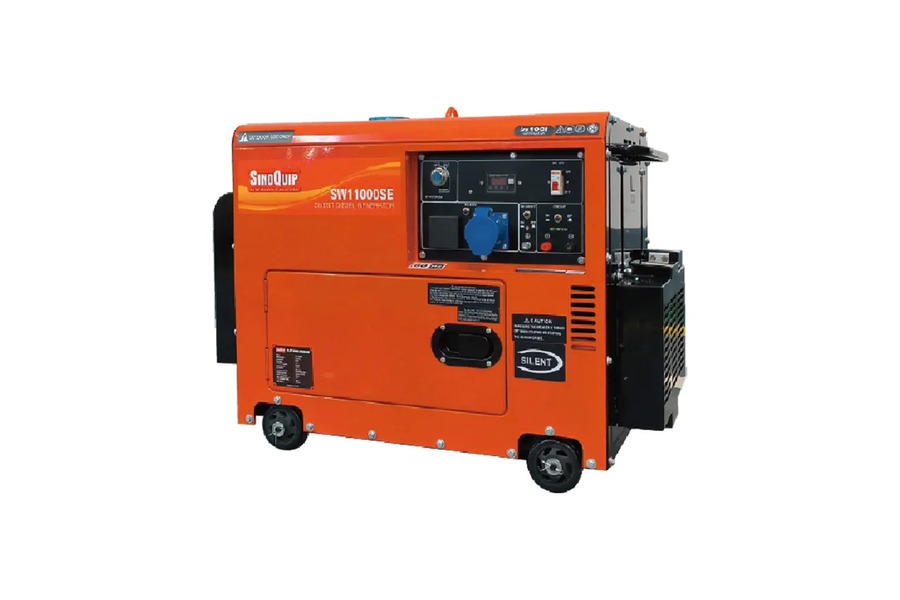
If a silent diesel generator configuration remains an alternative, keep it as a separately defined option with its own scope. Do not mix its enclosure or accessory benefits into the base comparison for a different machine. Clear alternatives make it easier to decide which benefits justify any additional expense.
Before approval, ask a second reviewer to compare the final offer with the original requirement and the agreed clarifications. That review should focus on unresolved gaps, inconsistent ratings and changed assumptions. The preferred quotation is the one whose price corresponds to an understood, acceptable deliverable, with evidence and responsibilities clear enough to support the order through delivery and use.