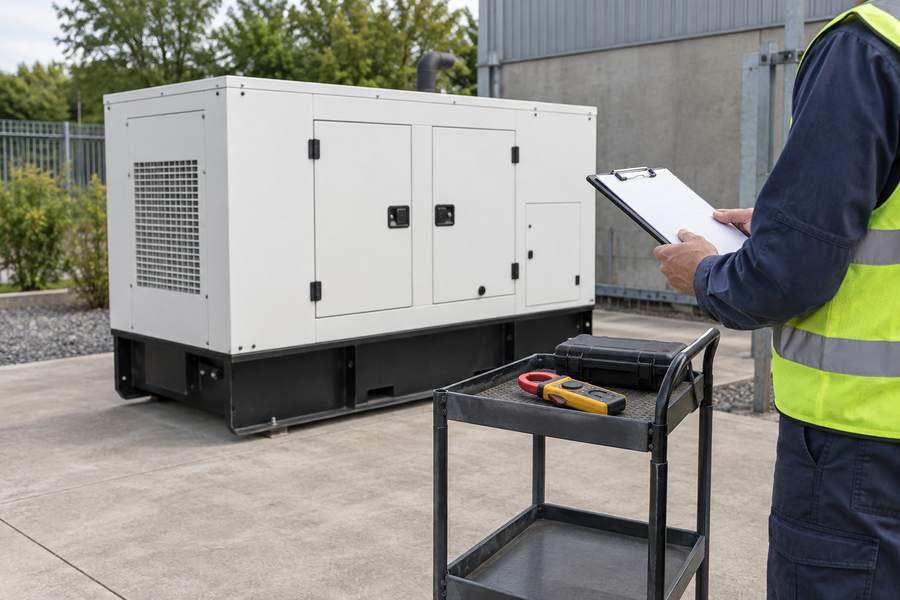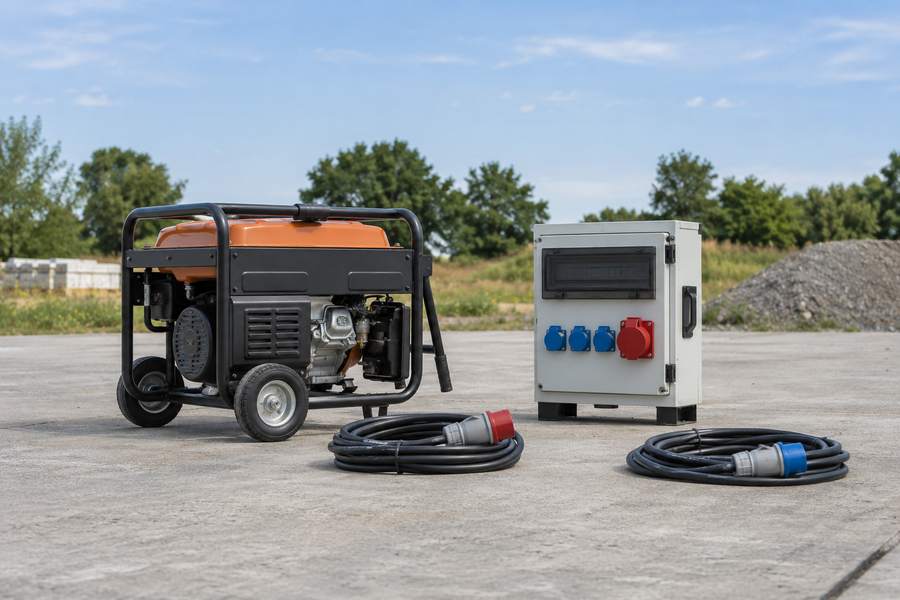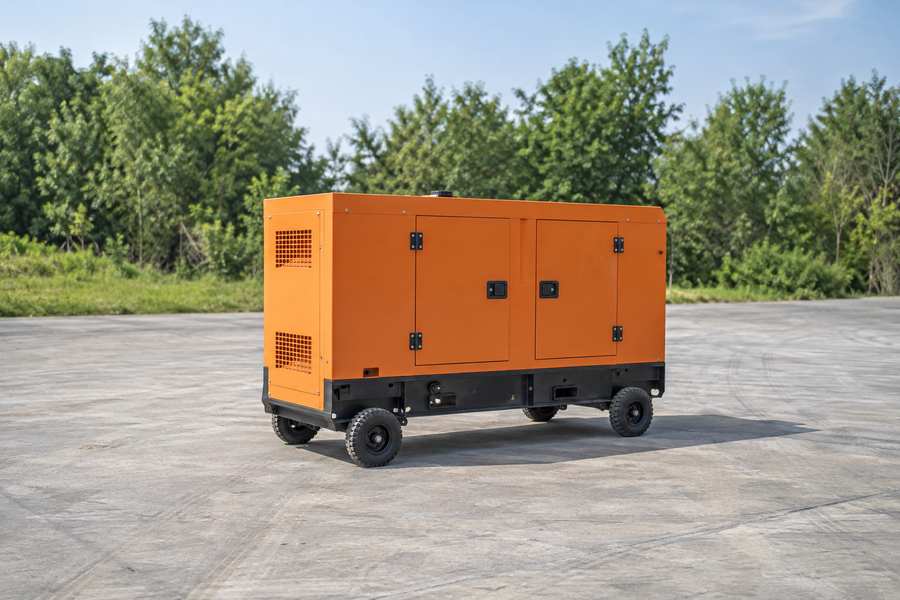
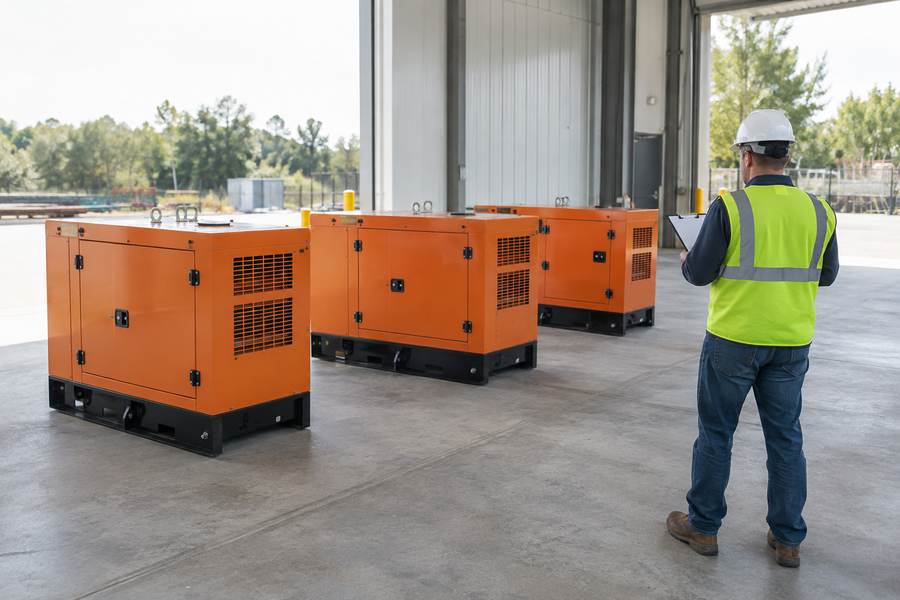
Buyers can check bulk diesel generator orders against an approved sample by turning the sample into a documented configuration, controlling later changes and inspecting production units against agreed acceptance criteria. The sample should be a reference for both construction and performance. A photograph or a familiar model name is not enough to establish that a shipment contains the same engine, alternator, panel, protection and accessories.
The process works best when it is agreed before production starts. Define what must match, what variation is acceptable, how inspections will be selected and what happens when a discrepancy is found. That gives the supplier a clear build target and gives the buyer a practical basis for accepting the batch without relying on appearance alone.
Freeze the approved sample as a record
Assign the sample an identification reference and record its generator and engine serial information where available. Photograph the complete machine, control panel, outlets, accessible component labels, supplied accessories and packing arrangement. Keep the technical sheet and test results with those photographs. The record should describe the sample as approved, including any changes requested after the initial evaluation.
Make approval specific. If the buyer accepted the machine’s performance but requested different sockets or a revised wheel kit, the original physical sample no longer describes every aspect of the production requirement. Issue an approved configuration document that incorporates those changes. Do not leave the factory to reconcile informal comments with an unchanged sample photograph.
When selecting from the diesel generator range, identify the actual variant rather than only the product family. Voltage, frequency, phase arrangement and optional controls should be fixed in the approval record. Those details are often more important to interchangeability than the exterior color or model sticker.
Keep a retained reference where practical
For repeat or substantial orders, agree whether a reference sample will be retained and where it will be kept. Record any later service or modification to it so the reference itself does not drift. A retained machine can support comparison, but it should be accompanied by documents that allow inspection without dismantling or operating it every time.
If retaining a full generator is impractical, strengthen the documented record with component identification, drawings, photographs and traceable test information. The objective is a stable definition of the approved product. The physical sample is one useful part of that definition, not the only possible evidence.
Identify characteristics that must match exactly
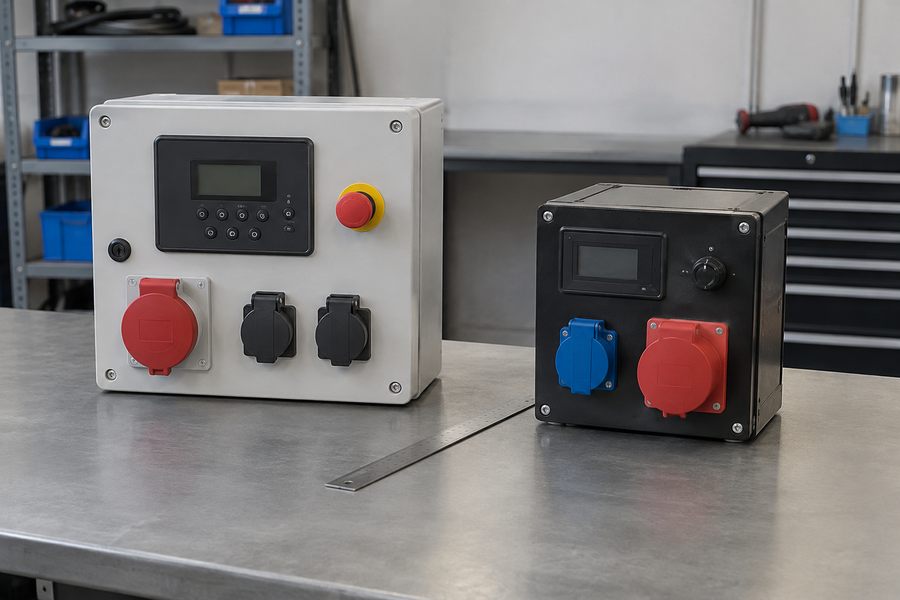
Create a list of configuration-critical items. These commonly include electrical output configuration, engine and alternator identification, controller or meter, protective devices, socket layout, starting system and approved accessories. Include relevant materials or construction details where they are part of the agreement. Ask the supplier to confirm the identification method for each item.
Separate these from cosmetic or dimensional characteristics that may have agreed tolerances. A minor finish variation and a changed breaker are not the same type of discrepancy. Defining the categories helps inspectors prioritize the features that affect compatibility, safety, performance and service support. It also prevents arguments about whether “equivalent” means identical in every respect.
Avoid approval by appearance alone
Two alternators or controllers can look similar while having different ratings or functions. Conversely, a harmless label revision may make two equivalent parts look different. Request component identifiers linked to the build record and performance evidence; matching appearance alone cannot establish conformity. Where a component cannot be checked externally, agree what assembly or supply records the factory will provide.
Do not specify destructive disassembly as the default inspection method. It may be unnecessary and can affect the equipment. Use accessible identification, controlled production records and appropriate tests first. If a deeper inspection is needed, agree the method, responsibility and effect on the inspected unit before carrying it out.
Control substitutions before they reach the batch
Require written approval for changes to agreed critical components or functions. The supplier’s request should identify the original part, proposed replacement, reason for change and effect on performance, compatibility, service parts and documentation. A general assurance of equivalent quality leaves the electrical, service and acceptance implications of the substitution unresolved.
Review the proposed change against the actual application. A replacement controller may alter alarm behavior or the remote-start interface. A different socket arrangement may affect the customer’s distribution equipment. A changed engine component may require different service parts. Decide whether additional tests, revised manuals or a new sample are necessary before accepting the substitution.
Apply change control to repeat orders
Do not assume that an approval from a previous year automatically covers the current build. Ask the supplier to confirm the configuration revision for each order and identify changes since the last accepted batch. Record the full variant identity when closely named models use different components or electrical arrangements.
Keep one consolidated revision history rather than scattered messages. Each approved change should show when it became effective and which serial numbers or batches it affects. That record helps the buyer order spare parts correctly and investigate a later field issue without guessing which configuration was delivered.
Agree what the factory checks on every unit
Ask the supplier to describe its routine production checks and the records retained. These may include configuration identification, assembly checks, electrical checks, running tests and verification of accessories. Define the inspection operations for the supplied design in the quality plan accepted by both parties. “Every unit is tested” is incomplete unless the buyer knows what the test includes.
Request traceability between the unit and relevant results. A batch-level statement may be adequate for some checks, while serial-specific records may be required for others. Agree this before production so the factory can collect the information efficiently. Retrospective requests for records that were never generated can be difficult to satisfy.
| Control stage | What to establish | Useful evidence |
| Sample approval | Exact configuration and accepted changes | Approved sheet, photographs and test record |
| Production preparation | Correct parts and document revisions | Controlled build information |
| Routine unit checks | Required checks on each machine | Unit-linked or defined batch records |
| Sampled batch inspection | Selection method and acceptance criteria | Inspection plan and results |
| Shipment release | Resolution of discrepancies | Signed release and packing list |
| Arrival review | Identity, quantity and transport condition | Receiving record and photographs |
Keep the distinction between factory quality control and buyer acceptance clear. The buyer’s inspection does not replace the manufacturer’s responsibility for producing the agreed goods. It provides additional evidence that the shipment meets the purchase requirements.
Design sampling around the risks
For batch inspection, agree the lot definition, selection method, sample size and acceptance rules. If a recognized sampling standard is used, have the quality team identify the appropriate plan and revision. Do not invent a universal percentage that is supposed to work for every order. The consequences of a fault and the nature of the inspection affect the appropriate approach.
Samples should represent the shipment rather than only the most accessible or best-presented units. Ask how units will be selected and how the selection is protected from substitution. Where the batch includes different variants, determine whether each variant needs separate representation. A passing inspection of one configuration does not establish conformity of every other configuration in the container.
What a sampled inspection can establish
An agreed sampling plan supports a decision about the shipment, but units outside the sample have not been individually shown to meet every requirement. Critical requirements may justify checks on every unit or additional controls. The buyer and supplier should agree those requirements explicitly. Avoid describing a sampled inspection as a complete examination of the shipment.
When a sample fails, follow the agreed disposition process. That may involve investigation, sorting, repair, expanded inspection or another documented response. Do not simply replace the failed sample with another unit and call the batch accepted. The original finding should remain in the record with the corrective action and verification result.
Check electrical conformity under the approved configuration
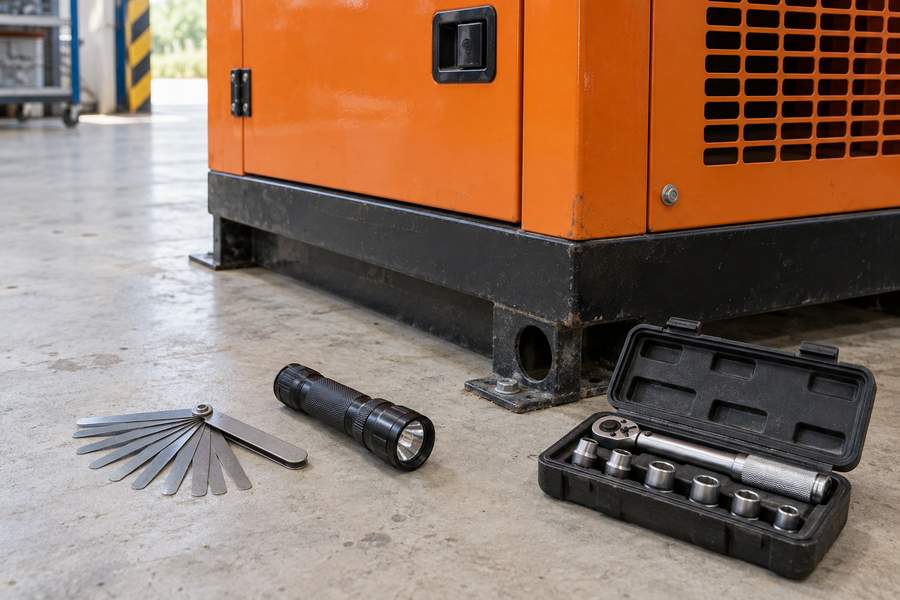
Verify the delivered voltage, frequency, phase arrangement, rated output identification and panel layout. Compare the outlets and protective devices with the approved drawing. Review the relevant operating and performance tests against the agreed acceptance criteria. The test configuration should match the machine being supplied, including any selectable operating mode.
For an open diesel generator order, inspect the agreed wheel kit, handles and accessible assembly details as well as the electrical features. For an enclosed diesel generator order, include access panels, locks, controls and the agreed enclosure details. The inspection should follow the purchased configuration rather than a generic checklist that treats every machine alike.
Test functions that affect customer use
Where remote start, ATS compatibility, particular meter functions or protective responses were approved, include suitable verification. A generator can produce electricity while still lacking an ordered function. Use manufacturer-approved tests and simulations, and record the observed response. Do not create damaging or unsafe conditions merely to test an alarm or shutdown.
If the sample was approved using a specific load or starting demonstration, define how production conformity will be supported. Some aspects may be checked routinely, while others may rely on controlled design validation and sampled performance tests. The quality plan should explain that division so the buyer understands what each record proves.
Inspect the service and identification package
Confirm that nameplates, model references and serial information correspond to the supplied configuration. Check the language and revision of manuals, wiring diagrams and parts documents. A correctly built generator with the wrong manual can create operating and service problems. Include the documentation package in the inspection rather than treating it as an administrative afterthought.
Check loose accessories against a packing list. Count keys, connectors, tools, supplied service items and other agreed contents. Where several variants are shipped together, make the outer identification clear enough to distinguish them without opening every package. This helps the distributor deliver the correct machine and documents to the end customer.
Keep private branding separate from technical identity
If the order includes the buyer’s branding, approve the artwork and placement while preserving the technical identification needed for operation and service. Cosmetic labels should not obscure required ratings or serial information. Ask how the branded model will map to the manufacturer’s service records and parts catalogue.
For later support, retain that mapping with the order. A distributor may use a market-specific product name while the factory identifies the engine and alternator differently. Clear records prevent the service team from selecting parts by appearance or by an incomplete sales model name.
Resolve differences against the approved requirement
Suppose an inspector finds that a production unit has a different digital controller from the sample. This invented comparison illustrates how to assess a change; it does not describe an event involving any named manufacturer. Locate the applicable change-approval record before deciding how to handle the difference. Then compare the replacement’s fitted functions, measurement channels, start interface, fault responses and service information with the agreed requirement. Similar display size or appearance does not settle the question.
If the change was not approved, record the discrepancy and request the supplier’s proposed disposition. The buyer may require the original component, accept a demonstrated equivalent through a documented revision, or request further tests. The choice should follow the purchase agreement and technical assessment. It should not be made informally by an inspector who lacks the authority or information to change the specification.
When a replacement is accepted, update the relevant documents and identify affected units. Operators and service staff need the correct manual and parts information for what they receive. Closing the inspection finding without updating those records can leave the immediate shipment accepted while creating avoidable support problems later. Traceable resolution is therefore part of conformity control, not an optional administrative step after inspection.
Use receiving inspection to close the loop
At arrival, compare quantities, package identification and serial information with the shipment documents. Inspect for transport damage and document findings before unpacking evidence is lost. A shipment can match the factory release record and still suffer damage in transit. Keep those two issues distinct when reporting a problem.
Follow the agreed receiving and commissioning checks before putting units into service. If a discrepancy is found, identify affected serial numbers and preserve photographs, documents and test observations. A precise report gives the supplier something to investigate. A statement that the machines “look different” is much harder to resolve without configuration details.
The strongest bulk-order process connects sample approval, change control, production checks, batch inspection and receiving records. Each stage uses the same approved configuration reference. That continuity helps buyers detect meaningful differences early, resolve them before shipment where possible and maintain reliable service information for the generators that reach their customers.