A bulk diesel generator order should include a model-specific service package: agreed consumable spares, clearly identified repair parts where justified, operating and maintenance manuals, wiring diagrams, parts information and traceable records for the delivered configuration. Quantities should reflect the fleet size, expected use, service schedule and replenishment time. The goal is to make correct maintenance and parts ordering possible after delivery, rather than shipping an impressive-looking but poorly identified box of components.
Start the discussion before approving the production order. The supplier needs to know where the generators will operate, how they will be serviced and who will hold spare stock. A distributor supporting many customers needs a different package from a contractor keeping several machines at one workshop. Define that support model first, then build the parts and document lists around it.
Divide the package into three practical groups
The first group contains routine service consumables required by the actual engine and maintenance schedule. The second contains repair or wear parts selected for the fleet’s operating risks and support arrangements. The third contains the information needed to identify, operate, maintain and repair the equipment correctly. These groups support one another: even a correct part is difficult to use if the service team cannot identify its application.
Keep included items separate from optional stock recommendations. A supplier may suggest a broad parts kit, but the buyer should understand why each item is present and how its quantity was chosen. Do not treat a generic percentage of order value as a complete spares strategy. The appropriate mix depends on the machines and their expected service.
Use the selected models in the diesel generator range as the starting point for identification. Record the engine, alternator and controller versions for each ordered configuration. A family name or power size alone is not enough to establish that a filter, regulator, sensor or electrical component will fit.
Routine consumables: follow the actual maintenance schedule
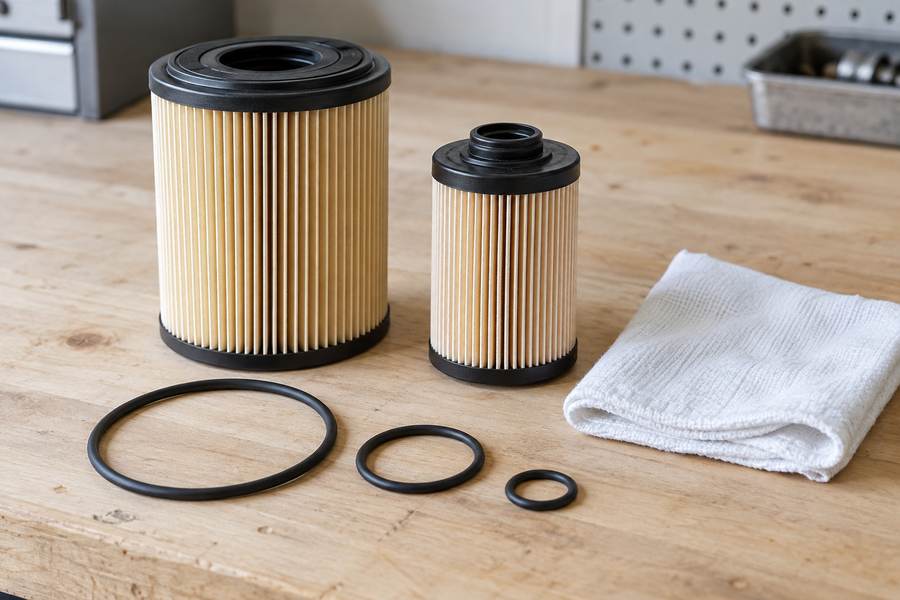
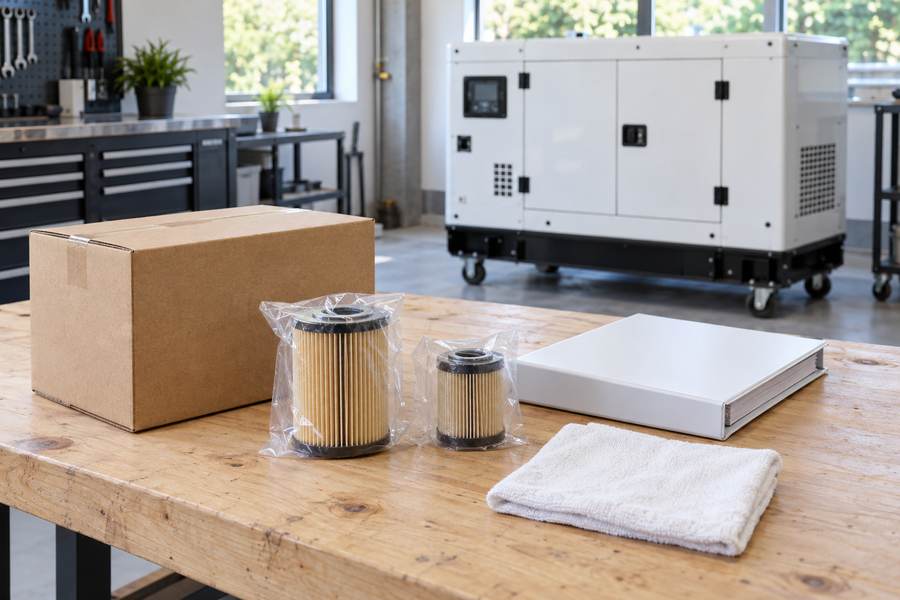
Ask for the consumables required by the specific engine, including applicable filters, seals and other scheduled service items. Do not assume that all small diesel engines have the same oil-filter arrangement or use interchangeable fuel filters. The parts list should follow the actual manual and configuration. If a service task does not apply to the engine, it should not appear in the kit merely because it is common elsewhere.
Request the required lubricant and fluid specifications in the service documents, but clarify whether fluids are included in the shipment. Shipping, storage and local procurement considerations may make local sourcing more appropriate. The buyer needs the correct specification and quantity information regardless of who supplies the fluid. Avoid describing a generic oil grade as suitable for every operating environment without the engine manufacturer’s guidance.
Calculate initial quantities from planned use
Estimate the operating hours expected before the next reliable replenishment opportunity. Compare that period with the manufacturer’s service schedule and the number of machines. Account for any different initial service requirement and for environmental conditions that affect inspection or replacement. This creates a traceable starting quantity instead of an unexplained stock allowance.
As a purely illustrative calculation, suppose ten machines each require one particular service element twice during the planned support period. The scheduled requirement would be twenty elements before adding any separately chosen stock reserve. This is a counting example, not a statement about any Excalibur maintenance interval. Replace both the frequency and part requirement with the selected engine’s actual schedule.
Repair stock: select by consequence and replenishment time
Repair stock is less predictable than scheduled consumables. Review the operating environment, transport frequency, customer handling and the time needed to obtain replacements. Parts that are easily damaged, frequently handled or essential to restoring operation may deserve consideration. Ask the supplier for a model-specific recommendation, then assess it against the buyer’s support experience.
Possible candidates can include approved switches, keys, connectors, selected sensors, starter-related components or panel items, but none should be ordered solely because it appears on a generic generator list. Confirm fit, ratings and revision compatibility. Some repairs require trained personnel and suitable tools; stocking the part does not establish that an operator should install it.
Treat electrical substitutes carefully
Breakers, voltage regulators, controllers and sensing components must match the approved system requirements. Externally similar components may differ in electrical limits, internal settings or operating behavior. Ask for the exact reference and any programming or setup required after replacement. The service package should explain how the replacement is verified before the generator returns to use.
Where the supplier offers an equivalent part, request written applicability information. Identify the affected generator or engine serial range and whether documents or settings must change. Keep that approval with the parts record. Avoid informal substitution based only on dimensions or a seller’s statement that a component fits “most generators.”
Give every part a usable identity
Each stock item should have a part number, description, applicable model or serial range, quantity and any relevant revision. Include the manufacturer’s identifier when the distributor also uses an internal stock code. Pair identification photographs with the supplier part number and revision, keeping the coded reference as the basis for ordering. Similar-looking filters or connectors may serve different functions.
Ask for labels that remain readable through storage and routine handling. Where parts are individually packaged, the outer label should identify the contents without requiring the package to be opened. For kits, include both the kit reference and an itemized contents list. This helps the receiving team check the shipment and the workshop replenish individual items later.
| Package element | Identification needed | Why it matters |
| Scheduled consumable | Part number and engine applicability | Correct planned maintenance |
| Repair component | Rating, revision and configuration needs | Compatible restoration of function |
| Service kit | Kit reference and itemized contents | Accurate receiving and replenishment |
| Generator | Model, serial and selected build | Traceability to documents and parts |
| Technical document | Title, revision and applicable configuration | Correct instructions for the delivered unit |
If several generator variants are included in one order, keep their spares separated or clearly mapped. A shared stock bin is appropriate only when interchangeability has been confirmed. The receiving checklist should make it possible to identify missing or misplaced items before the shipment is distributed to customers.
Operating manuals: match the machine the customer receives
The operating manual should cover the actual panel, starting method, output arrangement and routine checks. Ask for the correct language version and confirm that diagrams correspond to the delivered build. A manual for a similar generator can be misleading when switches, sockets or indicators differ. Treat document accuracy as part of product acceptance.
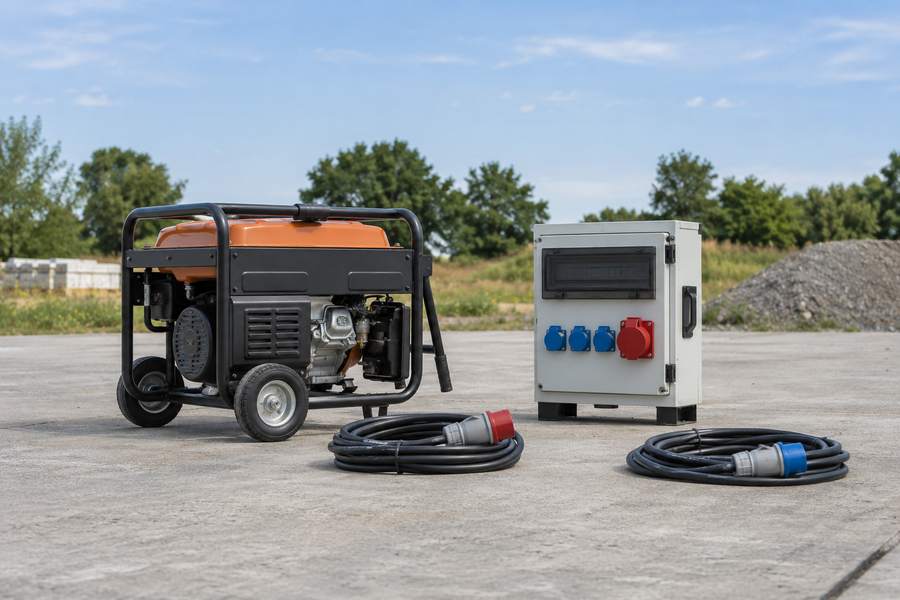
Include the operating limits that customers need to respect: load and connection restrictions, approved location and ventilation requirements, refuelling instructions, shutdown procedure and storage guidance. Portable generators require appropriate outdoor operation with exhaust kept away from occupied spaces and openings. The manual should support correct use of the actual machine, including any remote or automatic-start functions supplied.
Provide a concise handover aid without replacing the manual
A short quick-reference sheet can help customers identify controls, perform the approved pre-use checks and find the relevant manual sections. Keep it consistent with the full instructions and the selected configuration. It should not omit essential limits or encourage shortcuts in starting, connection, refuelling or maintenance.
For distributors, decide how the correct documents will remain with each unit after repacking or local branding. A shared electronic folder is useful, but the end customer still needs reliable access to the instructions for the machine delivered. Include that responsibility in the distribution process.
Service information: define the level of repair support
Ask for the maintenance schedule, approved procedures, inspection criteria and relevant technical data available for the selected engine and generator. Where detailed repairs require an authorized service provider, identify that boundary. The buyer should know which tasks its workshop can perform and which need additional expertise or manufacturer support.
Request the information needed for routine work, such as relevant fluid quantities, part references and manufacturer-specified settings or tightening requirements where applicable. Do not invent generic values when the correct technical data is missing. A service technician needs model-specific instructions, especially when a replacement affects control behavior or electrical protection.
Include troubleshooting that supports evidence collection
A useful troubleshooting guide helps the team describe a symptom, identify basic approved checks and record what happened. It should identify alarm meanings and distinguish operator tasks from electrical or mechanical work requiring qualified personnel. This can improve support without encouraging untrained users to bypass protective devices or open energized equipment.
For remote support, agree what information the supplier normally needs: generator identity, engine identity, running hours, fault indications, operating conditions and relevant photographs. A consistent report format reduces repeated requests and helps the service team distinguish a configuration issue from an operating or component problem.
Wiring diagrams and controller records deserve separate attention
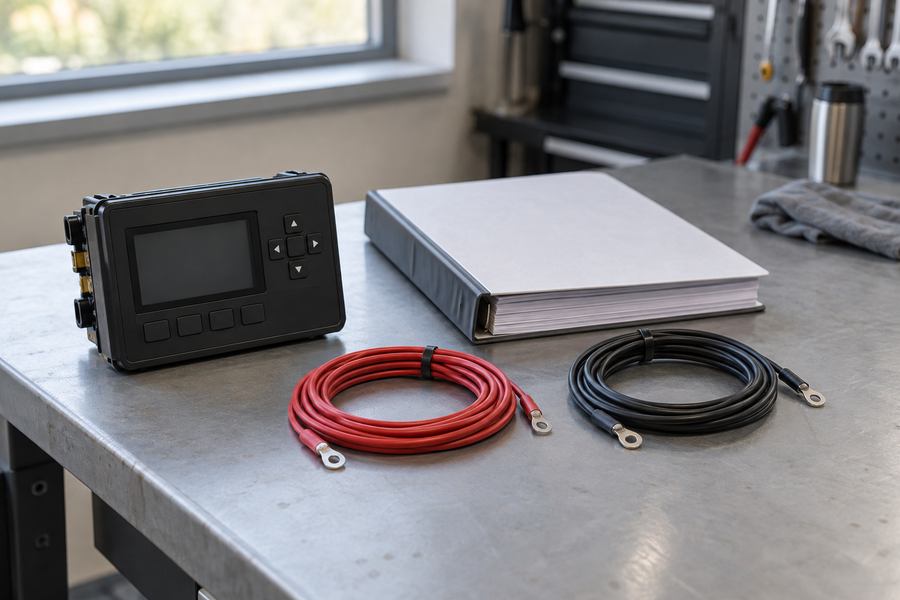
Request diagrams that correspond to the supplied panel, outlets, starting system, protection and accessories. Confirm the document revision and its applicability. A generic engine diagram may not cover the generator’s complete electrical arrangement. Where ATS or remote-start equipment is supplied, include the approved interface documents and connector identification.
Ask for a record of relevant controller settings and the procedure for restoring them after replacement, where supported by the manufacturer. Identify any software, tools or authorized support required. A replacement controller needs the correct configuration and validation even when its front panel looks identical to the removed unit. The service process should include verification of the required functions.
Preserve access without exposing unnecessary credentials
If configuration access requires a service process or controlled credentials, agree how the authorized service team will obtain and manage access. The delivered documents should describe the support route without placing sensitive access information on public labels or customer-facing materials. Keep ordinary operating instructions separate from restricted service administration where appropriate.
For fleet equipment, record who may approve setting changes and how the revised configuration is documented. This prevents units from gradually acquiring different behavior during repair. Consistent records are especially useful when several depots or service partners maintain the same product category.
Include production and delivery records
Ask for the agreed inspection and test records, identifying whether they apply to individual units, sampled machines or a validated configuration. Include the packing list, serial list and approved specification revision. These records help the buyer connect the delivered generators with the sample and quotation that were accepted.
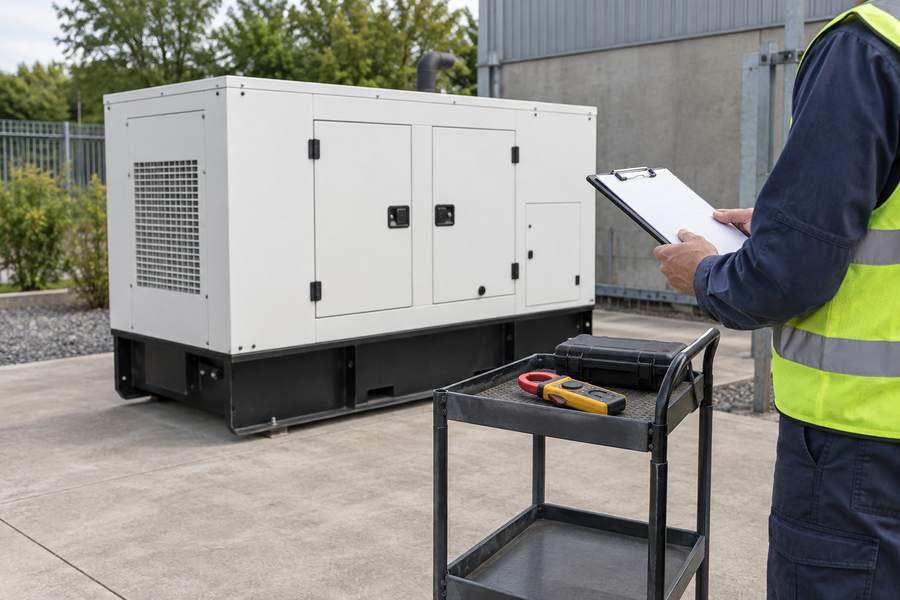
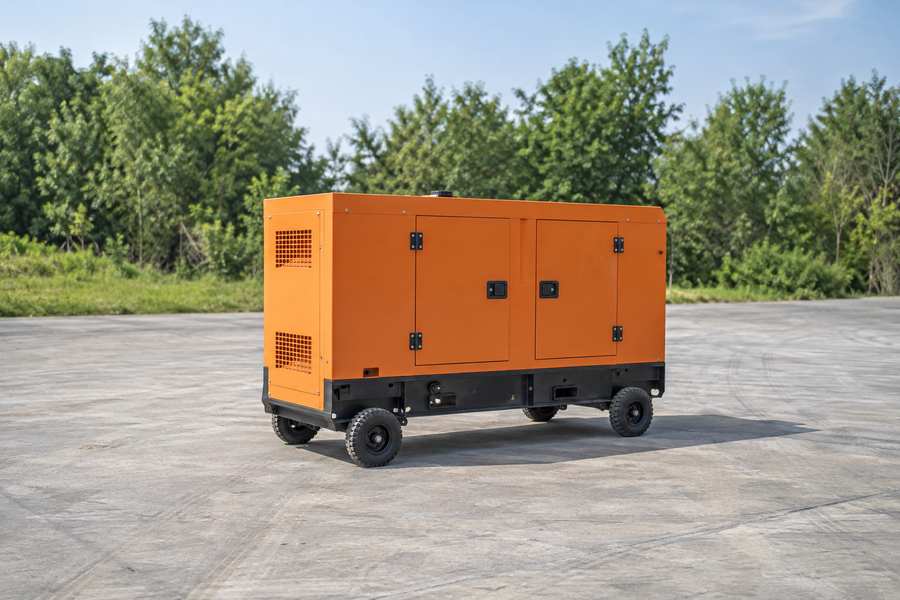
For an open diesel generator shipment, include the agreed loose handling accessories and assembly instructions if any parts are packed separately. For an enclosed diesel generator shipment, include relevant keys, access information and configuration documents. The service package should follow the actual contents rather than a standard list copied between different models.
Inspect the package at receiving
Check part numbers, quantities, packaging condition and document revisions before distributing the shipment. Keep a record of shortages or mismatches with photographs and the relevant order line. Some parts have storage requirements or shelf-life considerations; follow the supplier’s instructions and record relevant dates where provided. Do not assume that all spares can be stored indefinitely in the same conditions.
Store digital documents in a controlled location with a clear naming system. Preserve the revision supplied with the batch even if newer documents later become available. When the supplier issues an update, review its applicability before replacing the working copy. This maintains traceability for older units still in service.
Agree on replenishment and future changes
Ask how the supplier will communicate superseded parts, revised manuals and configuration changes. Confirm the ordering references, minimum quantities where applicable and expected support process. The initial spares kit is only the first part of the service arrangement. Buyers need a practical way to obtain the right items after the original stock is consumed.
For repeat orders, review whether the existing stock remains compatible with the proposed generator revision. A component change can affect both workshop inventory and the instructions used by technicians. Resolve that before combining old and new machines under one fleet category. Otherwise, an apparently simple reorder can introduce avoidable service complexity.
The final purchase schedule should connect every generator configuration with its parts list, document set and support route. Quantities should have an explainable basis, technical information should match the delivered build and receiving checks should confirm that the package is complete. That is what turns a bulk shipment into equipment the buyer can operate, maintain and support over time.