Extension plates are worth adding to a reversible plate compactor when a project involves wider trenches, larger base areas, or repeated passes across sections that exceed the machine’s standard plate width. They can increase the coverage of each pass, reduce the number of travel lanes, and improve productivity.
However, wider coverage does not always mean faster compaction. The additional width must remain compatible with the machine’s approved configuration, engine capacity, vibration system, and required compaction depth.
For contractors, the decision should be based on actual working width, project layout, labor requirements, and the cost of installing and handling extension plates.
What Do Extension Plates Do on a Reversible Plate Compactor?
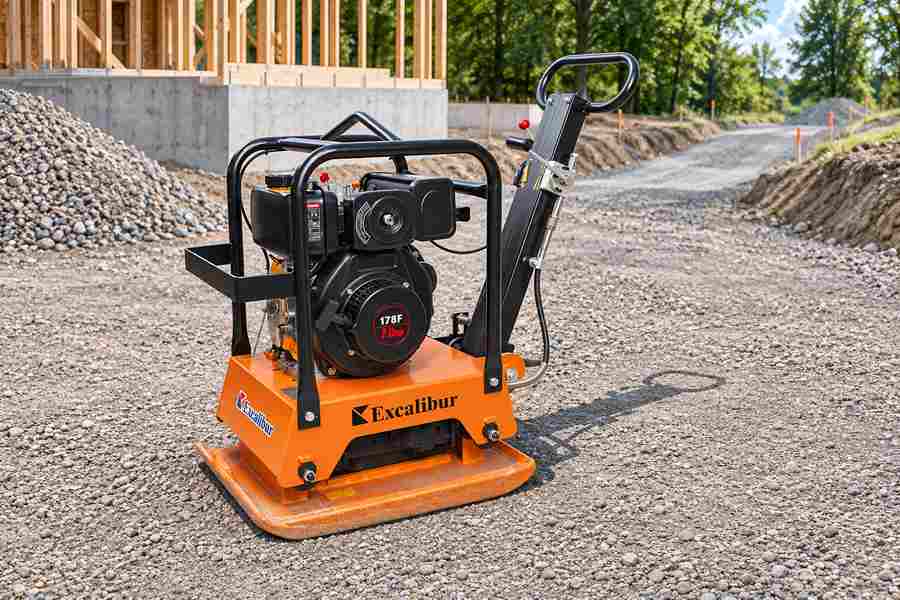
As the machine travels, its steel sole vibrates against the lift, helping loose grains settle into a denser layer. Its forward and reverse movement allows operators to work efficiently in confined areas and along longer construction sections. Extension plates are additional metal sections fitted to the sides of the main base plate.
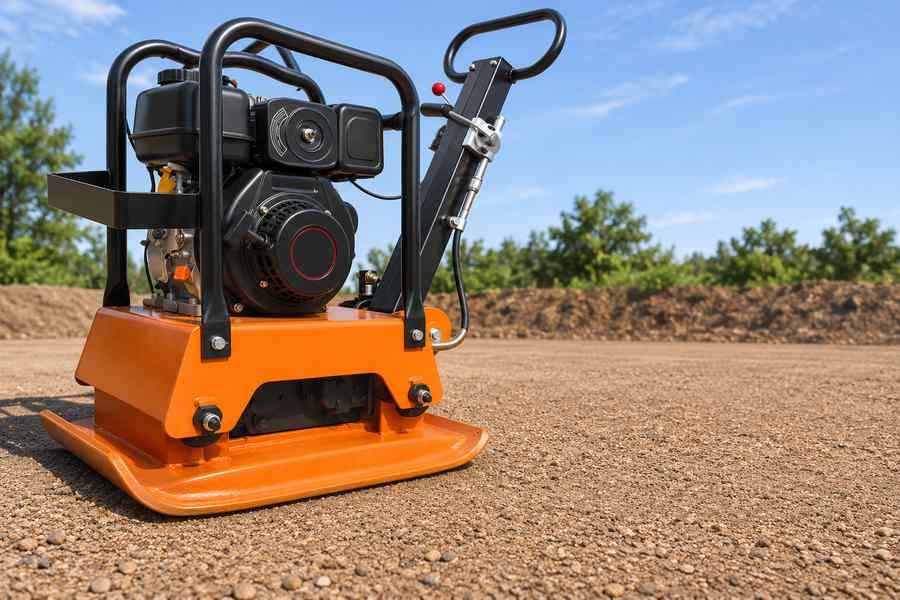
They increase the effective working width without replacing the entire machine. Their main benefits include: Wider coverage: Each pass covers a larger surface area. Fewer travel lanes: Operators make fewer parallel passes across wide sections.
Reduced overlap: A wider plate can reduce unnecessary repeated coverage. Improved workflow: Larger areas may be completed with fewer direction changes. However, extension plates should only be used when approved for the specific machine model.
Their installation must not compromise the manufacturer’s operating, vibration, or safety requirements.
2. When Are Extension Plates Worth Adding?
Extension plates are particularly useful when the standard base plate is too narrow for the project’s working area.
2.1 Wide Trenches and Utility Backfilling
When compacting backfill around pipelines, drainage systems, or utility installations, the available working width can vary considerably. If the trench is wider than the standard plate, extension plates may allow the operator to cover more material with each pass.
However, the plate must still fit the trench geometry and maintain adequate clearance from pipes, walls, and other structures.
2.2 Large Subbase and Foundation Areas
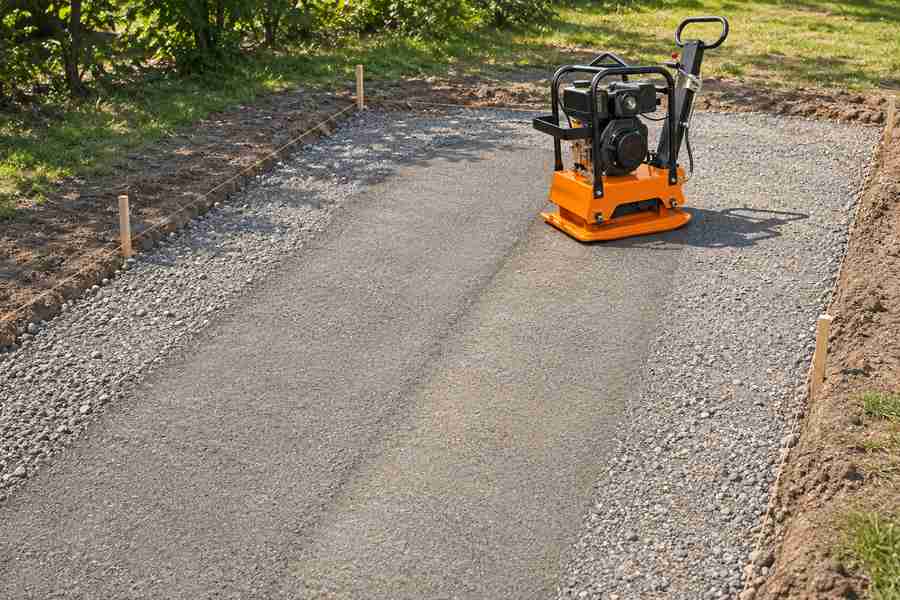
Preparing building foundations, parking areas, and road subbases often involves compacting relatively open surfaces. A wider plate can reduce the number of parallel passes required, making it useful for repetitive compaction work.
2.3 Projects with Repeated Wide-Area Compaction
Extension plates become more attractive when the same machine repeatedly works on similar wide sections. The productivity improvement can accumulate over multiple working days, potentially justifying the additional equipment cost.
3. How Much Productivity Can Extension Plates Add?
The main productivity benefit comes from increased coverage per pass. Consider a simplified example using a hypothetical reversible plate compactor.
Standard plate width: 450 mm Extended plate width: 600 mm Working length: 30 m Required coverage: 3.0 m Ignoring overlap and turning time, the estimated number of parallel lanes is: Standard plate: 3,000 ÷ 450 = 6.67, approximately 7 lanes. Extended plate: 3,000 ÷ 600 = 5 lanes. Illustrative calculation only.
Actual lane counts depend on overlap, site geometry, and approved machine configuration.
| Measurement | Standard plate | Extended plate |
| Working width | 450 mm | 600 mm |
| Area width | 3.0 m | 3.0 m |
| Estimated lanes | 7 | 5 |
| Pass reduction | — | Approximately 29% |
In this example, the wider configuration reduces the number of lanes by approximately 29%. However, this does not necessarily mean total working time decreases by the same percentage. Turning, repositioning, material handling, and compaction requirements must also be considered.
When Are Extension Plates Not Worth the Investment?
Wider plates are not suitable for every compaction project.
| Working condition | Extension plate suitability | Reason |
| Narrow utility trenches | Low | Limited clearance |
| Small repair areas | Low | Little coverage benefit |
| Wide foundation bases | High | Fewer parallel passes |
| Large parking subbases | High | Improved coverage |
| Irregular working areas | Moderate to low | Frequent repositioning |
| Confined spaces | Low | Reduced maneuverability |
There are also several technical considerations: Machine capacity: Additional plate width changes the machine’s operating configuration and may affect its performance. Compaction depth: A wider plate does not automatically increase compaction depth. Handling: Wider equipment can be more difficult to transport and maneuver.
Installation: Extension plates require secure, manufacturer-approved mounting. If the project mainly involves narrow spaces or small repair areas, the standard plate may remain the more practical choice.
Will the Extensions Fit the Machine and the Job?
Before purchasing extension plates, contractors should evaluate the machine specifications and working conditions. The most important checks include: Compatibility: Confirm that the extension plates are designed for the exact reversible plate compactor model. Mounting system: Check bolt positions, fastening requirements, and installation instructions.
Working width: Calculate the total width after installation and compare it with the actual trench or working area. Compaction performance: Confirm that the machine’s centrifugal force and operating weight are suitable for the wider configuration. Transport requirements: Consider additional width and weight when loading, unloading, and moving the machine.
For example, Excalibur’s reversible plate compactors offer optional extension plates, allowing contractors to increase working width while retaining the same basic machine configuration. Its SC-160B and SC-330B models provide different baseplate dimensions and compaction forces, so compatibility should be checked against the specific model.
How to Calculate Whether Extension Plates Are Cost-Effective
The financial decision should compare the cost of extension plates with the labor and operating time saved over repeated projects.
A simple calculation can help: Estimated savings = Time saved per project × Number of projects × Operating cost per hour For example, assume: Extension plate investment: $300 Time saved per project: 0.5 hours Number of projects: 20 Machine and labor operating cost: $40/hour Estimated savings: 0.5 × 20 × $40 = $400 In this hypothetical example, the extension plates generate $400 in operating savings, exceeding their $300 purchase cost.
| Evaluation factor | Example |
| Extension plate cost | $300 |
| Time saved per project | 0.5 hours |
| Annual projects | 20 |
| Operating cost | $40/hour |
| Estimated annual savings | $400 |
| Estimated net savings | $100 |
These figures are illustrative. Actual savings depend on installation time, transport, operator efficiency, and whether the wider configuration maintains the required compaction quality.
Extension Plates vs. Using a Wider Compactor
For contractors handling different project sizes, another option is purchasing or renting a wider reversible plate compactor.
| Consideration | Extension plates | Wider compactor |
| Initial investment | Usually lower | Usually higher |
| Working width | Increased within approved options | Designed around its standard plate |
| Flexibility | Can be removed when needed | Less adaptable |
| Transportation | Additional width when installed | Larger machine dimensions |
| Best application | Repeated projects with moderate width increases | Regular large-area compaction |
If wider coverage is only occasionally required, extension plates may be the more economical solution. For continuous heavy-duty work, a larger machine may offer a better balance of operating weight, compaction force, and productivity.
Extension plates are worthwhile when the productivity benefits of wider coverage outweigh their purchase, installation, and handling costs. On repeated runs across a parking area or foundation base, extra plate width can eliminate a travel lane. A wide trench may offer the same advantage if the machine still has room to turn.
However, wider coverage should never come at the expense of compaction quality. Before installation, verify machine compatibility, operating specifications, and the required density for the material being compacted. The best configuration is not necessarily the widest one.
It is the one that delivers consistent compaction, efficient coverage, and the lowest practical operating cost for the project.