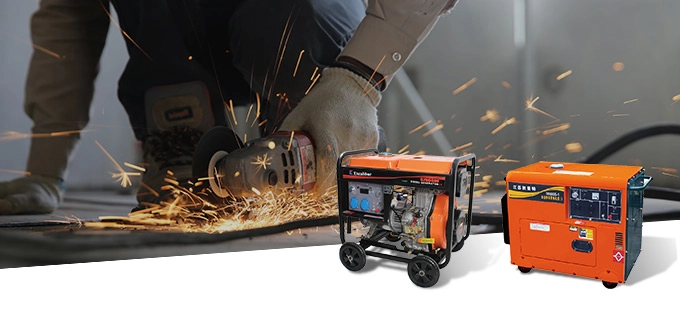
From construction sites and factories to hospitals, data centers, and residential backup systems, diesel generators deliver dependable electricity where grid power is unavailable or unreliable. However, not all diesel generators are built the same.
Two of the most common configurations—open diesel generators and silent (soundproof) diesel generators—serve very different use cases.
Understanding the Two Generator Types
What Is an Open Diesel Generator?
An open diesel generator (also called an open-frame generator) consists of a diesel engine and alternator mounted on a rigid base frame without any acoustic enclosure. Key components—engine, radiator, exhaust, control panel—are exposed or minimally shielded.
Typical characteristics:
- No soundproof canopy
- High airflow and easy access to components
- Usually installed in generator rooms or outdoor shelters
- Lower initial cost
Open diesel generators are widely used in industrial environments where noise is less of a concern or where dedicated generator rooms exist.
| Pros | Cons |
| Lower initial purchase cost | Very high noise level |
| Easy access for maintenance and repairs | Requires separate shelter for outdoor use |
| Better natural cooling due to open design | Limited protection against weather and dust |
| Simple structure, reliable for heavy-duty use |
What Is a Silent Diesel Generator?
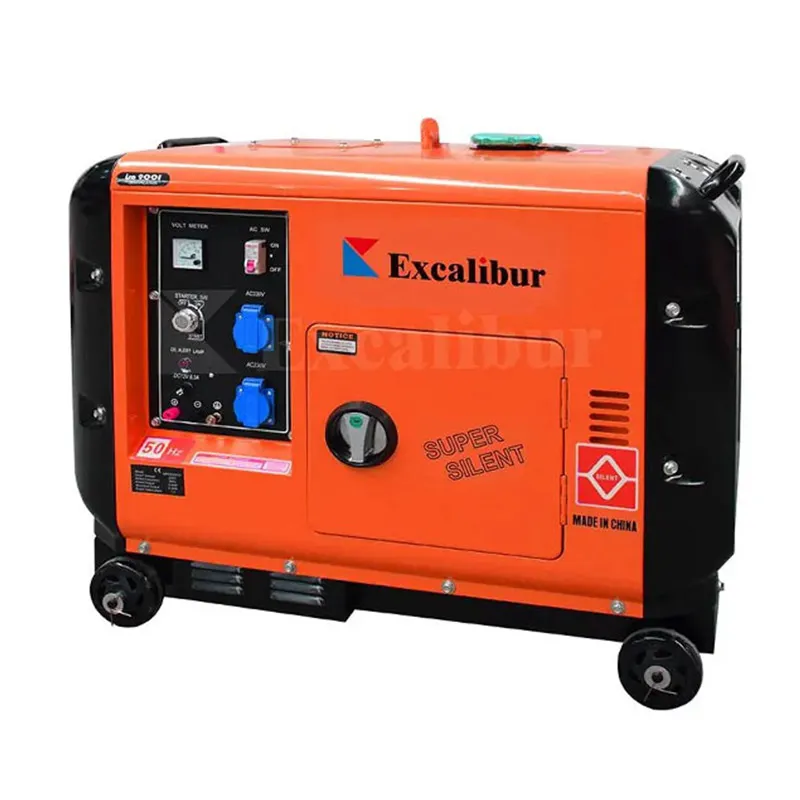
A silent diesel generator is essentially an open generator enclosed within a sound-attenuated canopy. This enclosure is lined with acoustic insulation and designed to reduce noise emissions while also protecting the generator from weather and environmental exposure.
Typical characteristics:
- Soundproof enclosure with acoustic foam
- Integrated ventilation and airflow design
- Weather-resistant and often corrosion-protected
- Higher upfront cost, lower noise footprint
Silent diesel generators are commonly used in urban areas, commercial buildings, hospitals, hotels, residential zones, and noise-sensitive environments.
| Pros | Cons |
| Low noise, suitable for residential and urban use | Higher cost than open generators |
| Weatherproof, ideal for outdoor installation | Heavier due to soundproof enclosure |
| Meets noise regulations easily | Maintenance access slightly limited |
Noise Performance: The Most Obvious Difference
Noise level is the most visible distinction between open and silent diesel generators.
Noise Output Comparison
| Generator Type | Typical Noise Level (at 7 meters) | Perceived Loudness |
| Open diesel generator | 90–110 dB | Very loud, industrial |
| Silent diesel generator | 65–75 dB | Comparable to traffic or conversation |
Open generators produce high noise due to:
- Unrestricted engine combustion noise
- Exhaust sound
- Mechanical vibration
- Cooling fan turbulence
Silent generators reduce noise through:
- Acoustic insulation materials
- Engine vibration isolation
- Optimized airflow paths
- Advanced exhaust mufflers
Impact:
In many regions, open diesel generators cannot legally operate in residential or commercial zones without additional soundproofing.
Installation Environment and Application Suitability
Where Open Diesel Generators Excel
Open diesel generators are ideal for:
- Industrial plants
- Mining sites
- Construction zones
- Power plants
- Generator rooms with acoustic treatment
- Remote or rural areas
These environments typically prioritize power output, durability, and ease of service over noise reduction.
Best Environments for Silent Diesel Generator Solutions
Silent diesel generators are best applied in:
- Hospitals and healthcare facilities
- Data centers and telecom stations
- Hotels and shopping centers
- Residential backup power
- Urban construction projects
- Temporary event power
In such applications, noise control is essential to comply with regulations and maintain comfort.
Structural Design and Component Accessibility
Open Generator Design Advantages
Open generators provide:
- Direct access to engine and alternator
- Faster maintenance and repairs
- Improved natural cooling
- Simpler mechanical layout
Technicians often prefer open generators in industrial settings due to ease of inspection and servicing.
Silent Generator Design Trade-Offs
Silent generators introduce:
- Additional enclosure panels
- Acoustic foam and insulation layers
- Complex airflow ducting
- Hinged or removable access doors
While maintenance remains straightforward, service access may require opening panels, making routine work slightly more time-consuming.
Cooling and Ventilation Performance
Diesel engines generate significant heat, and cooling efficiency directly affects reliability and lifespan.
| Aspect | Open Diesel Generator | Silent Diesel Generator |
| Airflow | Natural, unrestricted | Forced, ducted airflow |
| Heat dissipation | Very efficient | Carefully engineered |
| Overheating risk | Lower in open spaces | Requires proper design |
Modern silent generators are engineered with high-efficiency airflow systems, but improper installation or blocked ventilation can cause overheating if not managed correctly.
Weather Protection and Durability
Environmental Exposure
Open diesel generators:
- Require separate shelters for outdoor use
- Are vulnerable to rain, dust, and snow
- Are best installed indoors or under canopies
Silent diesel generators:
- Include weatherproof enclosures
- Often rated for outdoor installation
- Protect components from corrosion, dust, and moisture
This makes silent generators particularly valuable for temporary outdoor installations and long-term standby power.
Mobility and Deployment Flexibility
Mobility is another key consideration.
| Factor | Open Diesel Generator | Silent Diesel Generator |
| Weight | Lighter | Heavier due to enclosure |
| Transport | Easier to lift and mount | Requires lifting points or forklifts |
| Outdoor readiness | Needs shelter | Ready for direct deployment |
Open generators are easier to integrate into fixed installations, while silent generators offer plug-and-play deployment in varied environments.
Cost Analysis: Initial vs Long-Term Investment
Initial Purchase Cost
| Generator Type | Initial Cost |
| Open diesel generator | Lower |
| Silent diesel generator | Higher (20–40% more) |
The higher cost of silent generators reflects:
- Soundproof canopy
- Acoustic materials
- Weatherproof construction
- Additional engineering
Operating and Compliance Costs
Silent generators may reduce:
- Noise mitigation expenses
- Regulatory compliance costs
- Complaints or penalties in urban areas
In many cases, silent generators save money long-term by avoiding the need for separate enclosures or sound barriers.
Fuel Efficiency and Performance
Both open and silent diesel generators use similar engines and alternators, meaning:
- Fuel consumption is largely identical
- Power output efficiency is comparable
- Load-handling capability is the same
However, silent generators may experience slightly higher internal temperatures, which is why proper ventilation design is critical.
Regulatory and Noise Compliance
Noise regulations are becoming stricter worldwide.
- Urban and residential areas often limit noise to ≤70 dB
- Hospitals and night-time operations may require even lower levels
- Construction permits increasingly specify noise limits
Silent diesel generators are often the only compliant option in regulated zones.
Maintenance and Service Life
Maintenance Frequency
Both generator types require:
- Regular oil changes
- Fuel system inspection
- Air filter replacement
- Cooling system checks
Open generators may offer slightly easier access, but silent generators provide better protection from environmental damage, which can extend component life.
Long-Term Reliability
Silent generators often experience:
- Reduced dust ingress
- Lower corrosion risk
- More stable operating conditions
As a result, service intervals can be extended and overall durability improved, even in demanding or harsh environments.
Which Diesel Generator Is Right for You?
Selecting either an open or silent diesel generator depends largely on the installation location and operational conditions.
If your priority is cost efficiency, ease of maintenance, and industrial durability, and noise is not a concern, an open diesel generator is a practical and proven solution.
If your application demands quiet operation, environmental protection, regulatory compliance, and deployment flexibility, a silent diesel generator is the superior choice—even with a higher upfront investment.