Diesel generators offer dependable, flexible power, but their overall cost involves multiple interconnected components.
While the purchase price is important, installation and operational costs play an equally critical role in determining the total investment.
Final Key Points:
- Purchase cost depends on size, brand, and features
- Installation can add 20–50% to total cost
- Fuel is the largest long-term expense
- Lifecycle cost often exceeds initial investment
By understanding the full cost breakdown and implementing cost optimization strategies, businesses and individuals can make smarter decisions and maximize the value of their diesel generator investment.
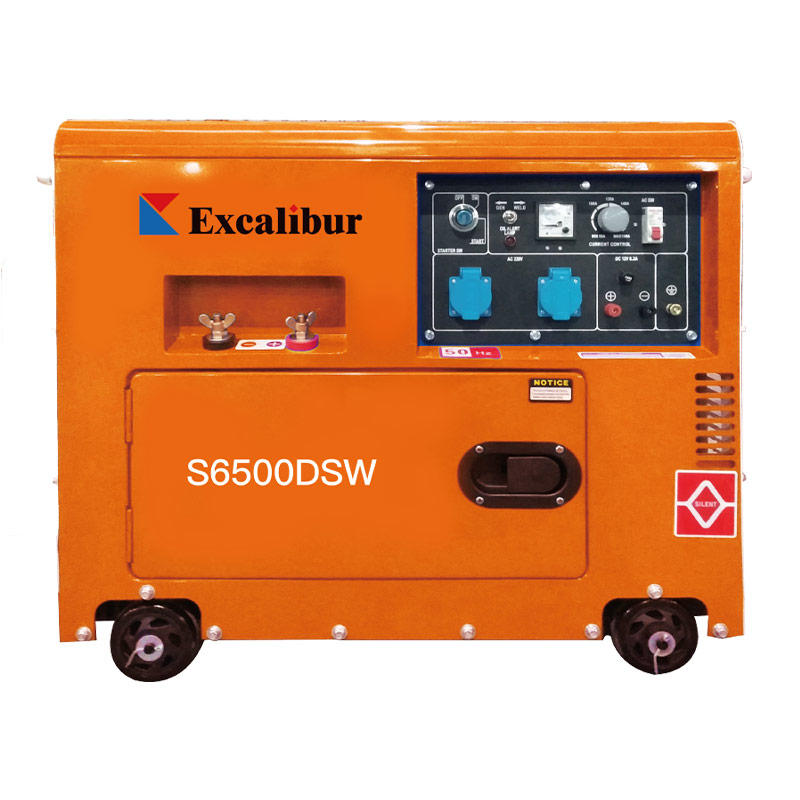
Overview of Diesel Generator Costs
When planning a diesel generator project, it is important to look at the total cost of ownership (TCO) rather than just the upfront price. Many buyers focus only on the generator unit cost, but in reality, the long-term expenses often exceed the initial investment.
A complete diesel generator system typically includes:
- Generator unit (engine + alternator)
- Control system and automation components
- Installation and infrastructure setup
- Fuel storage and delivery system
- Ongoing fuel consumption and maintenance
In most cases, the cost distribution follows this pattern:
- 30–50%: Purchase cost
- 10–30%: Installation cost
- 40–60%: Operating cost over time
This means that operational efficiency and maintenance strategy are just as important as selecting the right generator model.
Purchase Cost Breakdown
Generator Unit Price by Size
The purchase cost is primarily determined by the generator’s power capacity, measured in kilowatts (kW) or kilovolt-amperes (kVA). Larger generators require more robust engines, alternators, and cooling systems, which significantly increase the price.
Typical Diesel Generator Purchase Cost by Size
| Generator Size | Typical Use Case | Price Range (USD) |
| 5–20 kW | Residential backup | $2,000 – $10,000 |
| 20–100 kW | Small business | $10,000 – $30,000 |
| 100–200 kW | Commercial/industrial | $34,000 – $50,000 |
| 200–500 kW | Large facilities | $50,000 – $180,000 |
| 500 kW+ | Industrial plants/data centers | $120,000 – $180,000+ |
Refurbished generators can reduce initial investment by 30–50%, but may come with shorter warranties and higher maintenance risks.
Key Factors Affecting Purchase Cost
Power Rating (kW/kVA)
As power capacity increases, generator design complexity and overall cost rise accordingly. Larger engines consume more materials, require advanced cooling systems, and are built for heavy-duty performance.
It is critical to avoid oversizing, as this not only increases purchase cost but also leads to inefficient operation and higher fuel consumption.
Brand and Manufacturer
Well-known manufacturers typically offer:
- Better build quality
- Longer service life
- Global service networks
However, these advantages come at a premium. Lower-cost brands may save upfront but often increase long-term maintenance and reliability costs.
Enclosure Type
Generators are available in different configurations:
- Open-type generators: Lower cost but require indoor installation or protective housing
- Soundproof (silent) generators: Higher cost but suitable for outdoor use and noise-sensitive environments
Soundproof enclosures also include weather protection, which reduces environmental damage and extends equipment lifespan.
Automation Features
Modern diesel generators often include advanced features such as:
- Automatic Transfer Switch (ATS)
- Remote monitoring systems
- Smart digital controllers
These features improve convenience and reliability but add to the overall purchase cost.
Emissions Compliance
Tighter regulations drive adoption of EPA Tier 4 engines. While these engines reduce environmental impact and may qualify for incentives, they increase upfront costs due to:
- Advanced exhaust treatment systems
- More complex engine design
Additional Equipment Costs
Beyond the generator itself, several supporting components are required for a complete system:
- Automatic Transfer Switch (ATS): Ensures seamless power transition
- Fuel storage tanks: Required for continuous operation
- Control panels: Enable monitoring and system control
- Cabling and switchgear: Connect generator to the electrical system
These additional components can add 10–30% to the total purchase cost, depending on system complexity.
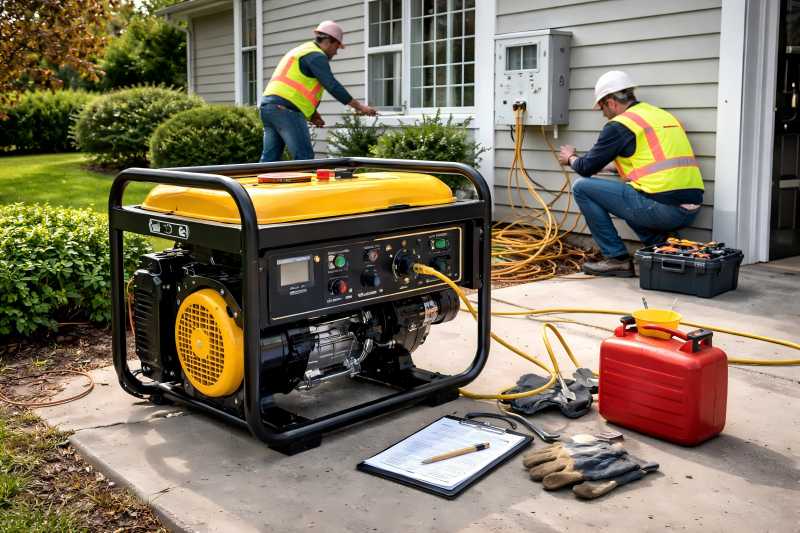
Installation Cost Breakdown
Typical Installation Cost Ranges
While small residential setups may require minimal work, large commercial installations can involve complex engineering.
Typical cost ranges include:
- Residential systems: $1,500 – $5,000
- Whole-building backup systems: $7,000 – $15,000
- Industrial installations: $10,000+
Installation costs often increase with generator size, especially when heavy equipment or specialized labor is required.
Installation Cost Components
Installation Cost Breakdown
| Component | Typical Cost (USD) | Description |
| Labor | $1,500 – $5,000 | Electrical & mechanical installation |
| Transfer switch | $500 – $2,000 | Automatic or manual switching |
| Permits & inspection | $200 – $500 | Local compliance |
| Concrete pad | $300 – $1,000+ | Foundation for generator |
| Fuel system | $500 – $3,000 | Tanks, piping |
| Delivery & logistics | $1,000 – $5,000 | Transport and positioning |
Every component is essential for safe, reliable operation; cutting installation costs may cause performance failures and safety risks.
Factors Influencing Installation Cost
Site Conditions
The physical environment has a major impact on installation cost. For example:
- Uneven terrain may require additional foundation work
- Limited access may require cranes or special transport equipment
These factors can significantly increase labor and logistics costs.
Electrical Infrastructure
If the existing electrical system is outdated or insufficient, upgrades may be required, including:
- New switchboards
- Wiring upgrades
- Load balancing systems
These upgrades can add substantial cost but are essential for safe operation.
Fuel System Complexity
Diesel generators require a reliable fuel supply system. Depending on usage, this may include:
- Above-ground or underground storage tanks
- Fuel transfer pumps
- Filtration systems
More complex systems increase both installation and maintenance costs.
Local Regulations
Permits, inspections, and environmental regulations vary by region. Compliance may require:
- Measures to control and reduce noise levels
- Certification for environmental emissions compliance
- Mandatory safety inspections and approvals
Operating Cost Breakdown
Fuel Cost (Largest Expense)
Fuel is the largest recurring cost for diesel generators, influenced by several factors.
- Generator size
- Load level
- Fuel price
Generators operate most efficiently at 70–80% load, where fuel consumption per kWh is minimized.
Running a generator at low load reduces efficiency and increases fuel consumption per unit of power generated.
Maintenance Costs
Routine maintenance is essential for ensuring reliability and preventing costly breakdowns.
Typical maintenance tasks include:
- Oil and filter changes
- Cooling system checks
- Battery inspection
- Load testing
Regular maintenance not only extends the lifespan of the generator but also improves fuel efficiency and performance.
Repair and Replacement Costs
Over time, certain components will require replacement due to wear and tear. These include:
- Batteries (every 2–3 years)
- Fuel injectors
- Alternator components
Major overhauls may be required after several thousand operating hours, representing a significant cost but restoring the generator’s performance.
Total Cost of Ownership (TCO)
Lifecycle cost includes every expense incurred during the generator’s operational lifespan.
- Initial purchase and installation
- Fuel consumption over time
- Maintenance and repairs
For frequently used generators, operating costs can exceed the initial investment within just a few years. This emphasizes the need to choose a high-efficiency, dependable power system.
Example Cost Scenario
Consider a 150 kW commercial diesel generator:
Initial Investment:
- Generator: $43,000
- Installation: $10,000
- Accessories: $7,000
Total Initial Cost: ~$60,000
Annual Operating Cost:
- Fuel: $10,000 – $25,000
- Maintenance: $500 – $1,000
5-Year Total Cost:
- Initial: $60,000
- Operating: ~$75,000
Total: ~$135,000
This example clearly shows that operating costs can surpass initial costs, especially in high-usage scenarios.
Key Cost Drivers to Watch
Several factors significantly influence overall cost:
- Generator sizing accuracy
- Load efficiency
- Fuel price fluctuations
- Frequency of use
- Technology and automation level
Understanding these drivers allows users to optimize both short-term and long-term expenses.
Cost Optimization Strategies
To reduce overall costs, consider the following strategies:
- Properly size the generator to match demand
- Invest in fuel-efficient models
- Perform regular preventive maintenance
- Optimize load management
- Explore hybrid systems (diesel + renewable energy)
These strategies can significantly reduce fuel consumption and extend equipment life.