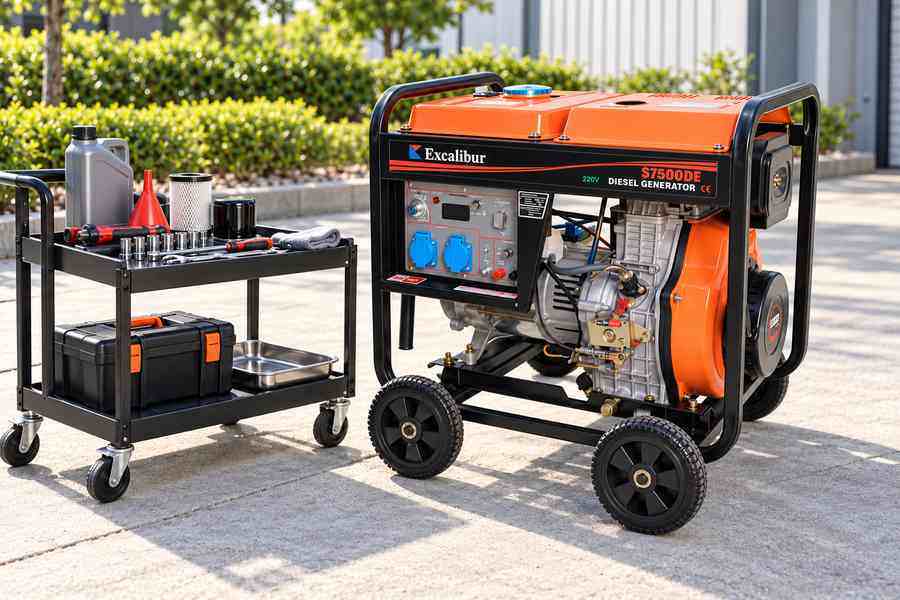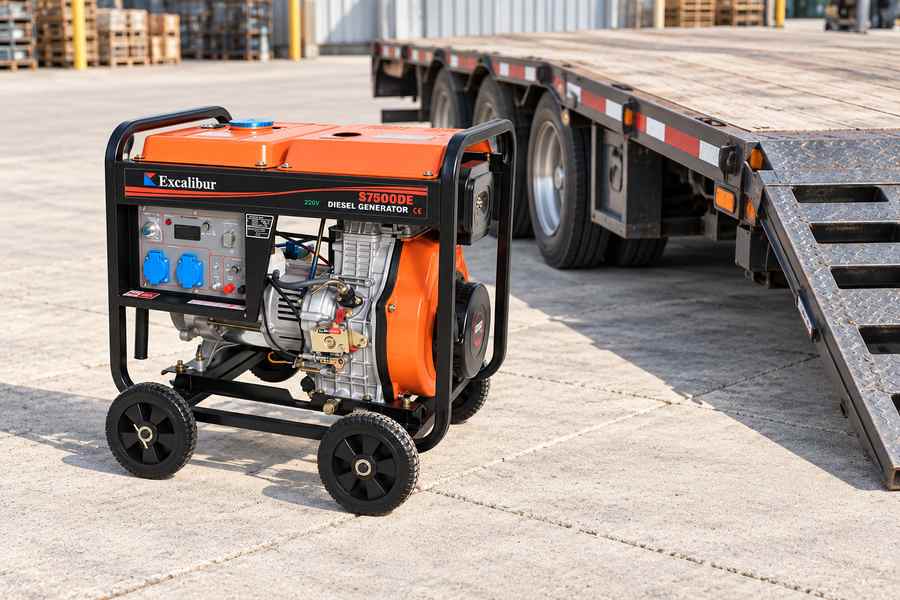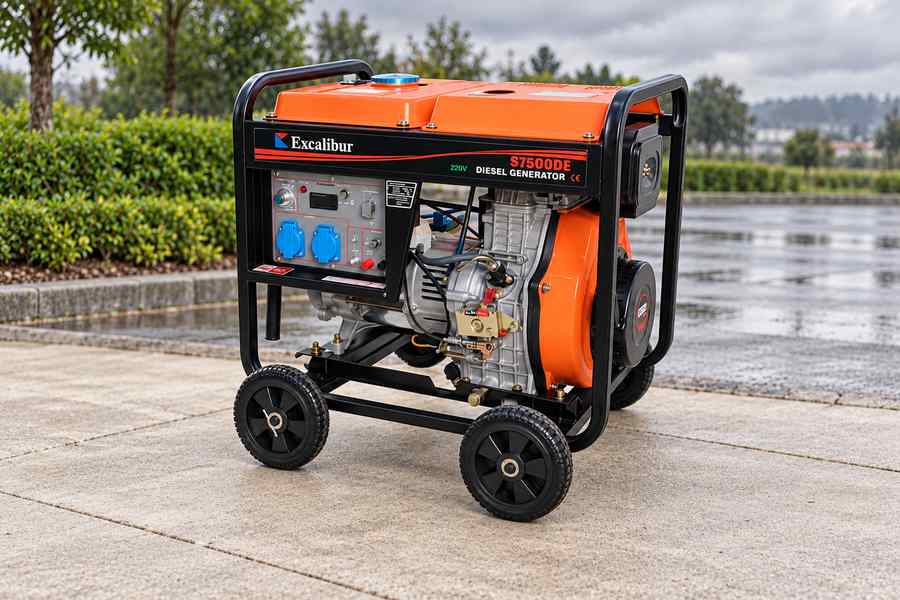
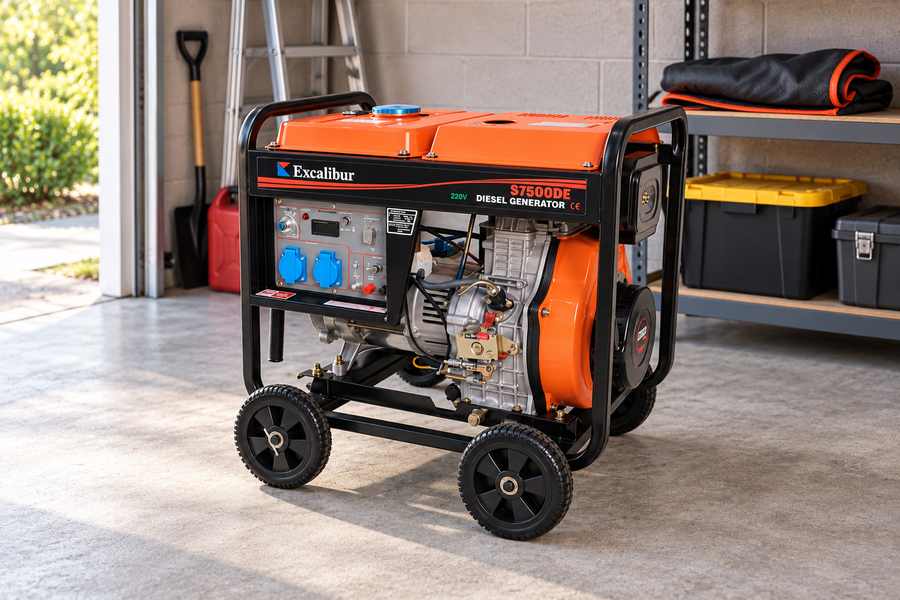
Prepare an open-frame diesel generator for long-term storage using the preservation instructions for its engine, alternator, fuel system, and starting equipment. Record every preparation step so it can be reversed correctly before the next start. The required treatment depends on storage duration, climate, fuel condition, and the exact machine; simply covering the generator is not a complete storage plan.
Return to service deserves its own checklist. A generator can look clean while retaining stale fuel, a discharged battery, blocked ventilation, damaged wiring, or moisture-related electrical problems. Plan the recommissioning work before the equipment is needed for an outage or a new project.
Define The Storage Period And Conditions
Tell the supplier how long the machine is expected to remain unused and where it will be kept. Include temperature changes, humidity, dust, salt exposure, and whether the storage area is heated or ventilated. The manufacturer’s short-idle instructions may differ from its long-term preservation procedure.
Distinguish storage from standby service. A generator expected to start automatically during an outage must remain in an approved ready condition and follow its standby maintenance plan. A preserved machine with disconnected systems or blocked openings is not available for immediate operation.
Open a preservation record for the individual machine, identifying its model and serial number alongside the hour-meter reading and inspection findings. Include outstanding defects and the date of the last service. This gives the person recommissioning the generator a reliable starting point even if the original operator is unavailable.
For Excalibur’s open-frame diesel generator models, obtain the instructions for the exact engine and alternator combination. Do not assume that a procedure for a different cooling or starting arrangement will cover the machine. Ask the supplier to resolve missing preservation details.
Inspect And Correct Existing Problems
Check for fuel or oil leaks, damaged hoses, loose components, corrosion, and electrical damage before putting the generator away. Storage rarely improves an existing fault. Correcting a known issue now is usually easier than rediscovering it when power is urgently required.
Clean the machine using the approved method and allow it to dry appropriately. Remove accumulated dirt and oily residue without forcing water into electrical equipment or the intake. Do not use an aggressive cleaning process simply because the machine will be unused afterward.
Inspect the frame, mounts, wheels, handles, and guards. Record damage that affects handling or safe operation. Keep replacement parts and repair records linked to the generator’s identity.
If the equipment has been exposed to flooding or other significant contamination, obtain a service assessment before ordinary storage preparation. Flood residue may have been washed off the frame while moisture remains inside electrical assemblies. Preservation is not a substitute for correcting water ingress.
Follow A Fuel Plan Suited To Diesel Storage
Ask whether the manufacturer requires the tank to be drained, filled to a specified condition, treated, or otherwise prepared for the intended storage period. Do not copy a gasoline-engine procedure onto a diesel fuel system. Have the supplier specify the tank preparation for this engine, storage location, and planned idle duration.
Review the age and condition of fuel already in the machine. Water and contamination can create problems during storage, and topping up does not remove them. If fuel condition is uncertain, have it assessed and handled through an appropriate service or disposal process.
Use only additives or preservation products approved for the application, in the specified manner. Before purchasing a treatment, send its specification to the engine supplier together with the fuel grade; the bottle’s marketing description cannot resolve that application question. Record any treatment so the next operator knows what is in the system.
Where the equipment includes a water separator or fuel drain procedure, follow the manual. Avoid loosening unfamiliar injection-system fittings in an attempt to drain everything. Fuel-system servicing, priming, and bleeding requirements should be clearly assigned to competent personnel.
Prepare Lubrication And Cooling Systems
Check the engine preservation instructions for lubricant changes, internal protection, and any periodic actions during storage. Some procedures require specific products or steps beyond normal servicing. Do not introduce oil through an intake or other opening unless the manufacturer directs that method.
Record the lubricant specification and level after the required preparation. Attach a reminder if the engine is not in a ready-to-run condition. The person starting it later must not have to infer what was done from an unlabeled container nearby.
For a liquid-cooled generator, confirm the coolant condition and the required freeze and corrosion protection for the storage climate. During storage, freezing temperatures and corrosion remain relevant to the coolant circuit even though combustion has stopped. The preservation document should explicitly state whether its cooling circuit stays filled, receives fresh specified coolant, or undergoes an approved draining procedure.
For an air-cooled engine, keep the specified cooling passages clean and protect them from debris and pests. There is no radiator coolant task to copy from a water-cooled checklist, but other preservation requirements still apply. The checklist should reflect the actual design.
Manage The Battery And Starting System
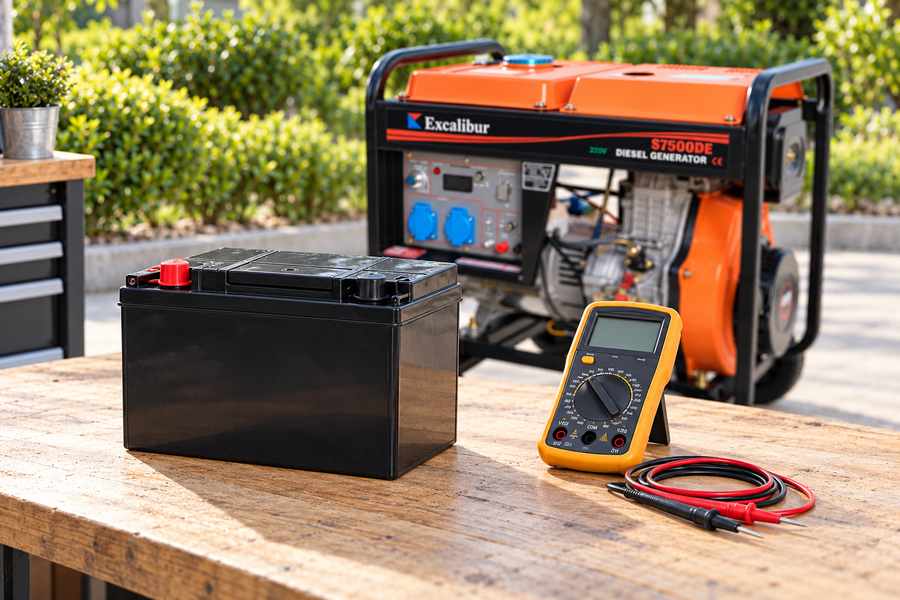
For electric-start models, follow the battery and generator instructions for isolation, charging, and storage. Battery type matters, and the correct maintenance method may differ between products. Match the charging equipment to the installed battery chemistry and the supplier’s storage procedure before leaving it connected.
Do not leave an unsuitable charger connected indefinitely or assume that occasional engine idling is an adequate charging plan. Establish who will check the battery and at what interval. Keep terminals protected and the battery securely positioned as required.
A battery moved to a separate storage area needs an equipment identifier and the environmental conditions specified by its maker. Record the disconnection and reconnection procedure with the equipment. Avoid placing tools or conductive items where they can bridge its terminals.
Disable automatic or remote starting according to the preservation procedure. A machine undergoing storage work must not start unexpectedly. Attach a clear service notice identifying the preserved condition and the actions required before operation.
Protect The Intake, Exhaust, And Electrical Equipment
Use the manufacturer’s specified measures to prevent moisture, debris, or pests entering openings. If temporary caps or closures are required, make them visible and list each one in the storage record. A forgotten closure can create a serious problem at the next start.
Do not pack loose cloth or untracked material into openings as an improvised protection method. Material can be overlooked or drawn into the machine. Use the approved closure arrangement and a removal checklist.
Alternator preservation may include humidity control, inspection, or other measures specified for the model. Ask how the storage environment affects the electrical equipment. An open-frame generator exposes components to the surrounding atmosphere even when a loose cover is fitted.
Any insulation testing before recommissioning must follow the alternator manufacturer’s procedure and account for connected electronics. Have qualified personnel perform it when required. Applying an inappropriate test voltage can damage components rather than establish readiness.
Choose A Suitable Cover And Storage Position
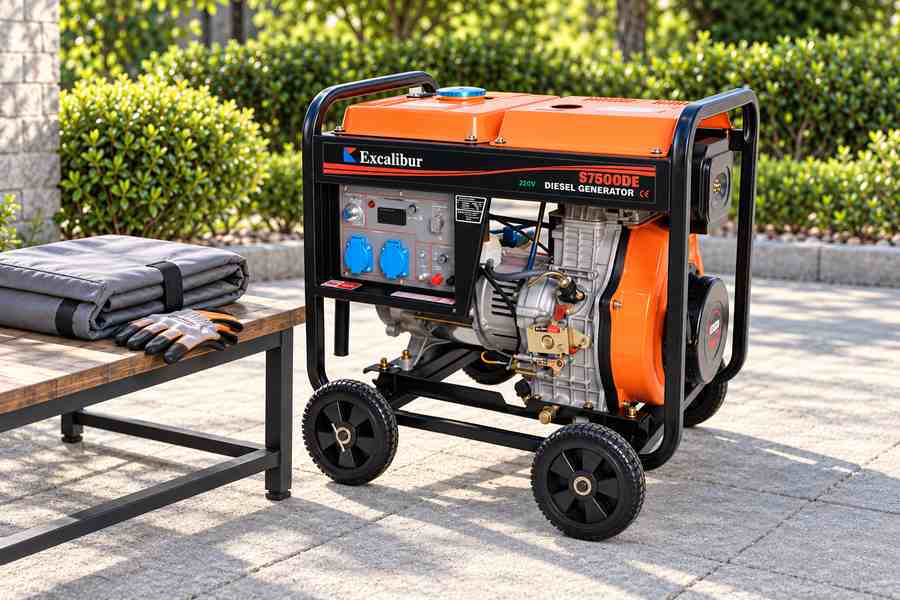
Store the machine on a stable surface in its approved orientation. Keep it away from standing water, corrosive materials, and activities that could strike or contaminate it. Preserve access for the scheduled storage inspections.
Use a cover appropriate to the storage environment and fit it only after the machine is cooled and suitably dry. Avoid arrangements that trap moisture against components. A storage cover is not an operating enclosure and must be removed before running unless the manufacturer states otherwise for a specific product.
Secure the equipment against unintended movement using an appropriate parking arrangement. Do not rely on a folding handle as a restraint. If the generator will be moved during storage, retain its approved handling instructions with the record.
Protect service documents and labels from deterioration. A readable serial number, maintenance record, and preservation notice are practical parts of storage readiness. Without them, a later technician may be unable to identify the correct parts or determine what preparation has been completed.
Perform Only The Specified Periodic Storage Actions
Set inspection reminders based on the manufacturer’s preservation procedure. Check the cover, environment, evidence of leaks, corrosion, pests, and battery condition as applicable. Record changes so the return-to-service inspection can address them.
An occasional short engine run is not a universal preservation procedure. A preservation plan may require a defined exercise procedure, a particular load, or no running until specific preparations are reversed. Unplanned short operation can disrupt the stored condition without completing a useful service cycle.
Likewise, do not turn the engine manually or operate the starter as a generic storage treatment unless the instructions call for it. Internal protection, battery condition, and temporary closures must be considered. Follow the actual procedure instead of mixing advice from different engines.
If the expected storage period becomes longer, ask whether additional preservation is required. Update the record rather than allowing a short-term plan to continue indefinitely. Climate or location changes may also require review.
Recommission In A Controlled Sequence
Begin with the storage record and inspect the machine before removing protections. Look for leaks, damaged wiring, deteriorated hoses, corrosion, nests, or blocked airflow. Resolve significant findings before attempting to start.
Remove every temporary closure and preservation item listed in the record. Restore the fuel, lubrication, cooling, and starting systems according to the manufacturer’s return-to-service instructions. Verify fluid condition and levels rather than assuming that the pre-storage condition remains correct.
Inspect the battery and electrical connections, and carry out any required electrical tests through qualified personnel. Check that guards and service covers are fitted. Confirm that automatic-start controls remain appropriately managed until the machine is ready.
Move the portable generator to a suitable outdoor operating location before starting. A storage room, shed, or garage is not a safe test location. Apply the normal exhaust, clearance, support, and electrical-connection requirements.
Verify Operation Before Relying On The Generator
Follow the prescribed startup procedure and observe the available indicators from a safe position. Check for abnormal noise, vibration, leakage, or alarms. Stop and investigate a significant abnormality rather than hoping it will disappear after a few minutes.
Apply load using the manufacturer’s procedure and the site’s approved electrical arrangement. Where a controlled load test is needed, use suitable equipment and competent personnel. A smooth idle provides no demonstration of voltage regulation or temperature behavior under the loads that the site will actually apply.
Record the result, operating hours, service work, and next maintenance due point. Make clear whether the machine has been released for service or still has unresolved work. Remove the preservation notice only when the required return-to-service steps are complete.
| Preservation record | Entry when putting away | Release evidence after storage |
| Fuel and fluids | Preparation method, product, and condition | Required restoration, condition, and levels verified |
| Battery | Isolation and maintenance arrangement | Condition and correct reconnection checked |
| Temporary closures | Each opening and protection listed | Every listed item removed or restored as instructed |
| Mechanical and electrical condition | Defects, repairs, and preservation recorded | Inspection and required tests completed |
| Operating readiness | Stored or standby status identified | Startup and relevant load checks documented |
When ordering from the diesel generator range, tell the supplier if the equipment may remain unused for long periods. Request preservation and recommissioning instructions with the delivery documents. A clear record of what was done, what must be reversed, and who will verify readiness makes storage a managed part of ownership rather than an uncertain pause between jobs.