A silent diesel generator can overheat below its electrical rating when it cannot remove the heat produced by the engine and alternator. Blocked airflow, recirculated hot air, dirty cooling surfaces, coolant or fan faults, high ambient temperature, and incorrect enclosure arrangements can all contribute. An acceptable kilowatt reading therefore does not prove that the cooling system is working correctly.
Begin with the alarm information and the manufacturer’s shutdown instructions. Do not keep restarting a generator that repeatedly trips on temperature, and do not open a hot pressurized cooling system. The investigation should establish which component is overheating and why, rather than assuming that a larger generator or an open service door is the solution.
Identify What The Temperature Warning Actually Means
Read the displayed alarm or fault code and identify the sensor involved. Depending on the equipment, a warning may relate to engine coolant, engine temperature, oil, alternator windings, or another monitored condition. Different warnings require different diagnostic paths.
Record when the warning appears: immediately after starting, after a sustained run, during a load change, or only in certain weather. Note ambient conditions, electrical load, and any recent maintenance. A repeatable pattern is useful evidence for the service technician.
Do not assume that a temperature indication is accurate without investigation, but treat it as real until a qualified assessment establishes otherwise. Sensor, wiring, and control faults are possible. Bypassing the protection to keep the machine running removes the safeguard before the cause is known.
Confirm the exact cooling arrangement in Excalibur’s silent diesel generator range. Both air-cooled and water-cooled configurations are offered. A radiator checklist is not appropriate for an air-cooled engine, and cleaning visible fins will not resolve every liquid-cooling fault.
Understand Why Electrical Load Is Only Part Of The Picture
The engine produces waste heat while converting fuel energy into useful mechanical output. The alternator and associated equipment also generate heat. Cooling must carry that heat away under the approved operating conditions, even when electrical output is below the nameplate rating.
A rating is associated with defined conditions and duty. High site temperature, elevation, or another limitation may reduce the output available for the application. Check the manufacturer’s applicable data before deciding that the machine is comfortably within its limits.
Review how load was measured. Kilowatts alone may not reveal every relevant electrical condition, such as phase imbalance or excessive current on part of a three-phase system. Have the electrical loading assessed using measurements appropriate to the generator and connected equipment.
Also consider whether the displayed value represents the period when the temperature rose. A single reading after a load was removed can conceal earlier operation. Record the load history around the alarm; a single meter photograph cannot show what happened during the preceding operating period.
Check Air Inlets And Outlets First
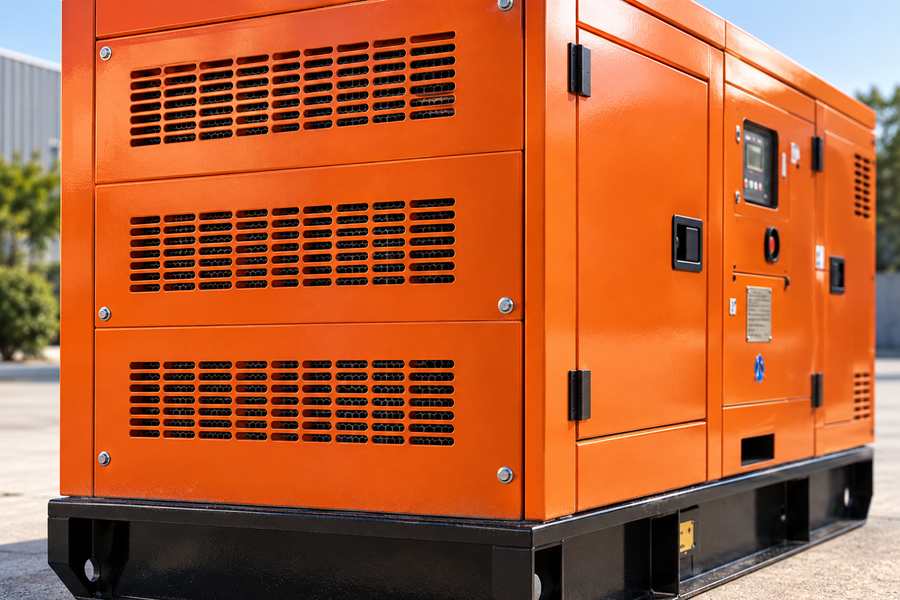
Inspect the accessible ventilation openings after the generator is safely stopped and isolated. Look for dust, leaves, packaging, stored tools, or temporary covers. A partially blocked opening can reduce airflow without looking completely closed.
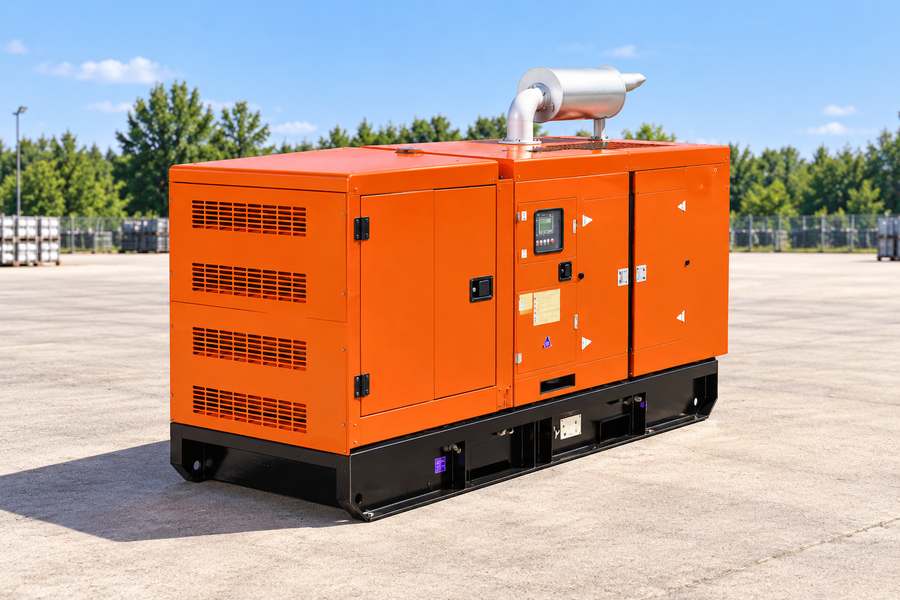
Check the space around the enclosure. Walls, fences, stacked materials, vehicles, or acoustic barriers may interfere with the required clearance. Compare the installation with the manufacturer’s drawing rather than estimating that the gap looks adequate.
Identify which openings admit cooling air and which discharge it. Do not treat every louver as an interchangeable vent. The enclosure may use a defined airflow route that depends on internal ducts, seals, and partitions.
Do not add mesh, filters, decorative panels, or weather coverings without approval. Even an apparently open material creates resistance to airflow. The manufacturer must assess additional restriction within the cooling system’s available capability.
Look For Hot-Air Recirculation
A generator can receive enough air by volume while drawing in air that has already been heated by its own discharge. This recirculation reduces the temperature difference available for cooling. It can occur when walls, corners, barriers, or prevailing wind direct discharged air back toward an inlet.
Review the placement of the whole machine and any nearby heat sources. Trace where the intake air comes from, including nearby machines or process outlets that may discharge heat into that path. The weather station temperature may not represent the temperature at the generator’s cooling inlet.
A technician may need to measure relevant temperatures and airflow conditions using the manufacturer’s diagnostic approach. Avoid placing hands or improvised objects near fans to judge airflow. A subjective impression of a strong breeze is not a complete cooling assessment.
If installation changes are needed, preserve exhaust safety, service access, and acoustic requirements. Submit proposed barrier positions and ductwork together with the revised airflow layout for review. Obtain an approved arrangement rather than solving one symptom by creating another restriction.
Inspect The Cooling Surfaces For The Actual Engine
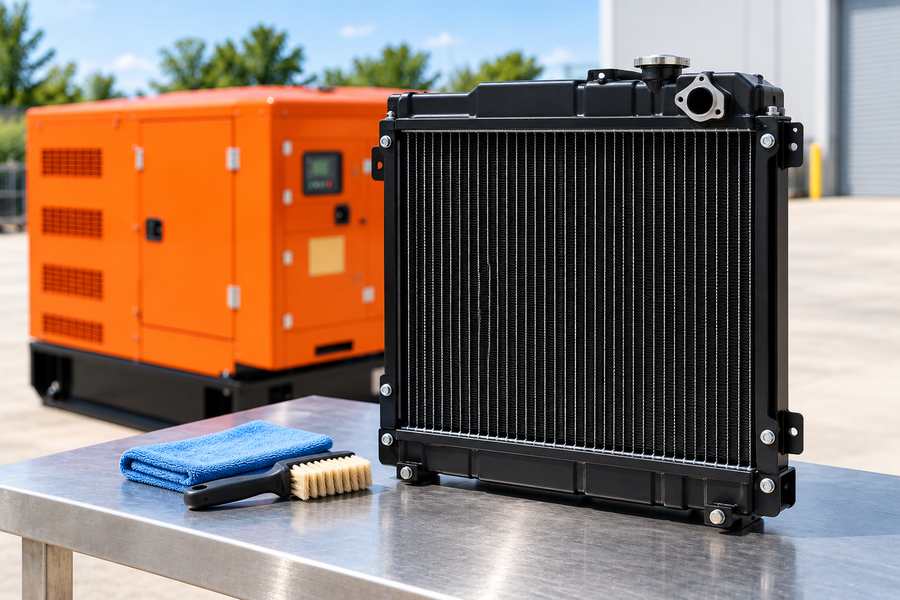
On an air-cooled engine, check the specified fins, shrouds, and passages. Dirt and oily deposits can reduce heat transfer or obstruct airflow. Missing or incorrectly fitted shrouds can also disturb the intended cooling path.
On a liquid-cooled generator, inspect accessible radiator surfaces for contamination or damage using the approved procedure. Debris may collect where it is difficult to see, especially when other heat exchangers or guards are installed nearby. Debris can remain between deeper rows even when the visible face looks clear.
Select the cleaning procedure specified for that particular cooling assembly. Excessive pressure can damage fins or force debris into other components. Do not wash electrical equipment as part of an improvised radiator-cleaning operation.
If contamination returns quickly, investigate its source. An oil leak can bind dust to cooling surfaces, while poor placement can expose the machine to concentrated debris. Repeated cleaning without correcting the cause may leave the overheating pattern unchanged.
Review Coolant Condition And Circulation Where Applicable
For a water-cooled engine, check coolant level only in the condition specified by the manufacturer, after the system has cooled. Never remove a hot pressure cap. A low level, leak, incorrect coolant, trapped air, or circulation fault can impair heat removal.
With the system safely cooled, look along accessible hose runs and joints for wetness, residue, cracks, or chafing. Record recurring coolant loss rather than repeatedly topping up without investigation. The location of residue may help a technician identify where fluid has escaped.
Thermostat, pump, cap, and internal circulation faults require appropriate diagnosis. Do not remove a thermostat as a permanent workaround or alter pressure components to make a warning disappear. Those changes can interfere with the cooling system’s intended behavior.
Recent service is relevant. An incorrect filling or bleeding procedure, incompatible coolant, or disturbed hose can introduce a problem after maintenance. Give the technician the service history and products used instead of treating the fault as unrelated to the last intervention.
Check Fan Drive And Enclosure Assembly
Identify how the cooling fan is driven and which inspection tasks the manual permits. A damaged fan, drive problem, incorrect belt condition where applicable, or airflow obstruction can reduce cooling. Perform close inspection only with the machine isolated.
Do not assume every generator has a serviceable external fan belt. Different engines use different arrangements. Apply the correct inspection method and obtain manufacturer values for any adjustment.
Check that doors, panels, seals, and internal partitions are installed as intended. Some enclosures depend on these parts to guide air through the cooling system. Running with a door open can change the airflow path and may increase noise or expose hot and moving components.
If a door has to remain open to prevent overheating, treat that as evidence of an unresolved issue. It does not establish an acceptable operating configuration. Ask the manufacturer to assess the airflow, enclosure assembly, and installation.
Consider Exhaust And Engine Condition
Review any exhaust modification, added silencer, or extension fitted since the generator was supplied. Excessive exhaust restriction or a leak inside the enclosure can affect operating conditions. A modified system needs approval for the particular engine and installation.
Do not route hot exhaust into the cooling-air intake area or beneath a cover that redirects it toward the machine. Exhaust discharge and cooling-air discharge are different flows, but both must be managed correctly. An enclosure is not a safe place to contain leaked exhaust.
Engine faults can also contribute to abnormal heat. Fuel-system, combustion, lubrication, or other mechanical issues may require professional diagnosis. Do not change injection or governor settings in an attempt to reduce temperature without identifying the fault.
Keep observed symptoms distinct from conclusions. Persistent smoke, unusual fuel use, leakage, and changes in sound are useful to report, but none alone proves a specific failure. The service provider should evaluate them alongside measurements and the equipment history.
Use A Structured Diagnostic Record
Prepare a record before the service visit so that important conditions are not lost. Include the model, serial number, alarm, operating hours, load history, weather, installation photographs, and recent changes. Avoid repeated test runs that risk damage simply to gather more data.
| Observed pattern | Area to investigate | Information to retain |
| Overheats after a barrier or cover was added | Airflow restriction and recirculation | Before-and-after layout and clearances |
| Overheats after cooling-system service | Fill, bleeding, coolant, and disturbed connections | Service procedure and products used |
| Occurs mainly in hot weather | Inlet temperature and applicable rating limits | Site conditions and load history |
| Recurring coolant loss | Leaks and cooling-system integrity | Top-up frequency and visible residue |
| Only appears with certain loads | Actual electrical loading and engine response | Phase currents, load sequence, and alarm timing |
These patterns guide investigation; they are not diagnoses. Keep the investigation open to combined faults, such as a restricted cooler receiving already heated intake air. Let the measured evidence determine the corrective action.
Verify The Repair Under Approved Conditions
Consider a generator that runs normally in an open yard but trips after being moved beside a temporary wall. If the electrical load has not changed, the new layout becomes an important investigation lead. Record the inlet and outlet orientation and the wall position before making adjustments, then have the manufacturer assess the required clearance and potential recirculation.
In another case, an alarm may begin after coolant replacement. The useful questions concern the exact product, fill quantity, bleeding procedure, and post-service checks. That history helps a technician choose the first tests; it does not prove that the thermostat or radiator needs replacement.
Preserve the distinction between an operator observation and a measured conclusion in the repair record. Write that the warning appeared after twenty minutes at a recorded load if that was observed, rather than asserting that the fan was too small. Clear observations reduce unnecessary parts replacement and make it easier to verify whether the eventual repair addressed the original event.
After the cause is corrected, restore guards, doors, seals, and protective functions. Have the generator tested using the manufacturer’s procedure under a relevant load and operating condition. A short idle period is not enough to verify a problem that previously developed during sustained operation.
Record the repair, measured results, and any revised installation or maintenance requirements. If the site conditions exceed the machine’s capability, discuss a suitable configuration within the diesel generator range. Increasing electrical capacity alone should not replace a proper cooling assessment.
Keep the final operating layout and service requirements with the equipment record. The important outcome is a generator that rejects heat correctly in its approved enclosure and site arrangement, with its protections active. Close the job only after the approved operating configuration passes the relevant checks; bypassing an alarm or leaving service doors open is not evidence of a repaired cooling system.