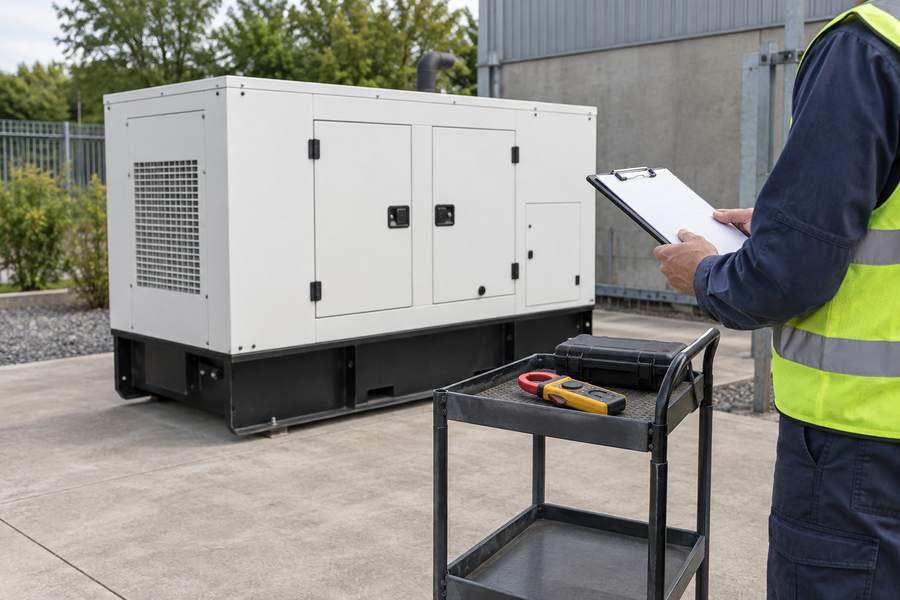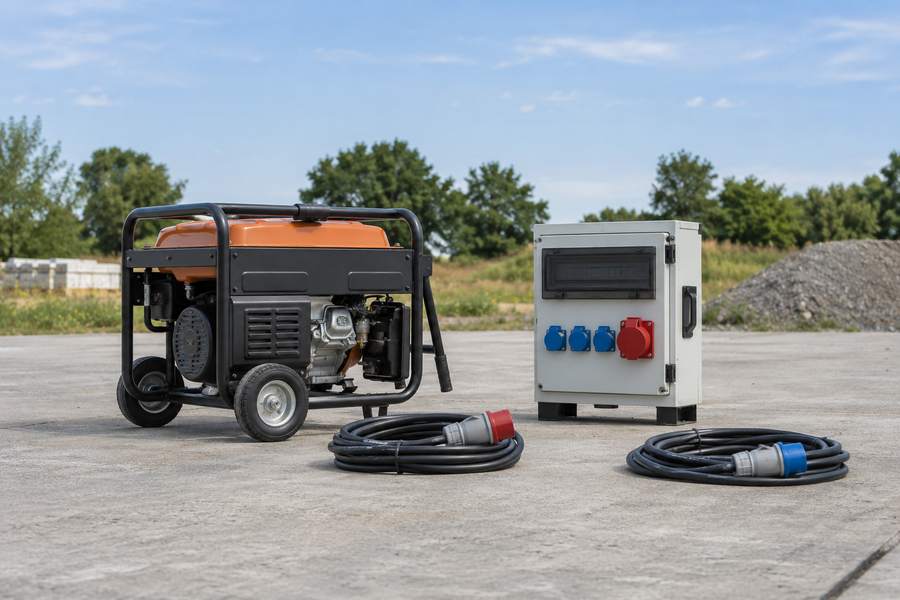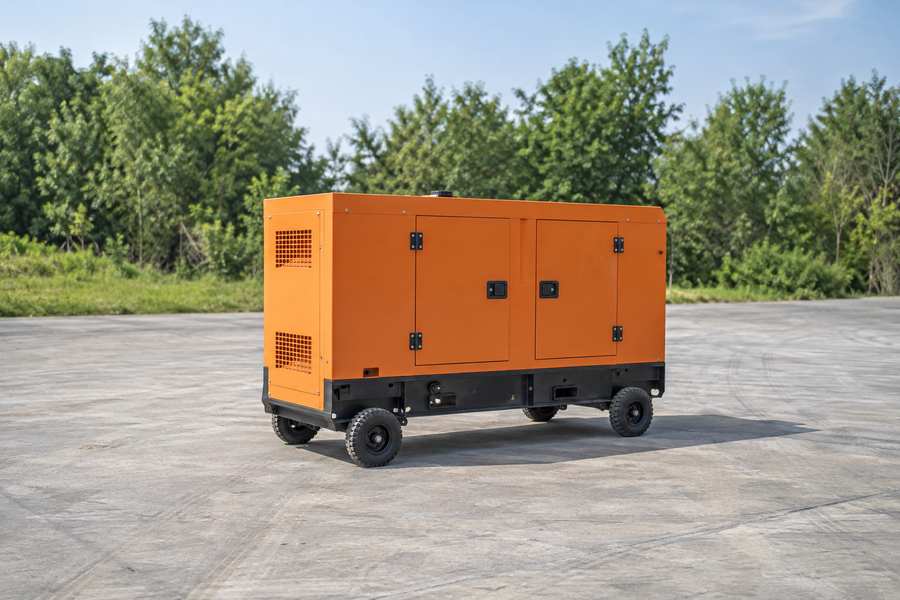
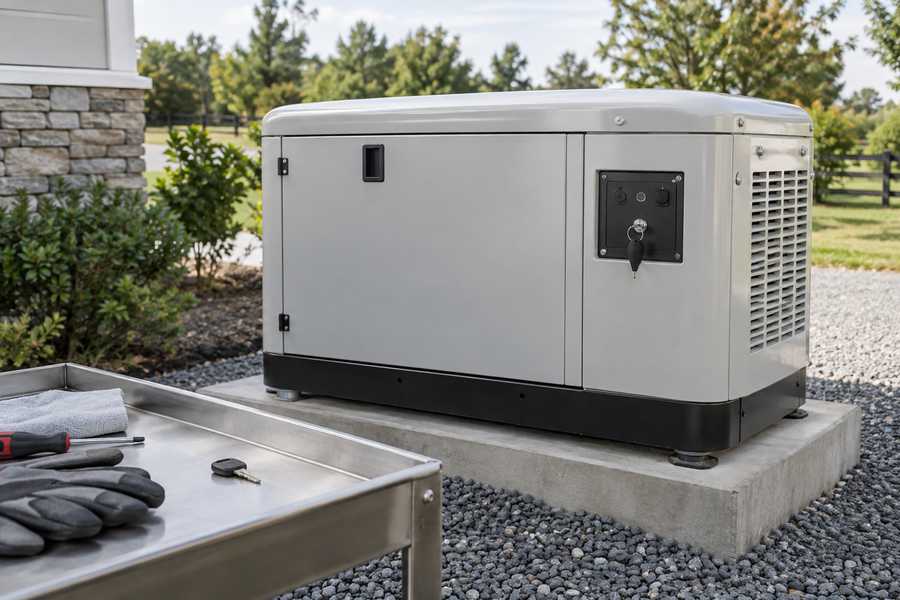
Choose the starting system by deciding who or what will request power, how that request reaches the generator and how the load will be connected after the engine starts. Electric start provides powered engine cranking. Remote start moves the start request away from the machine. Automatic start allows an approved controller or external system to initiate operation under defined conditions. These functions can overlap, but none should be assumed from the presence of another.
A buyer who asks only for “easy starting” may receive a key-operated machine when the intended application needs a remote signal interface. Another may order a wireless remote and expect the generator to take over a building automatically during an outage. Prevent these mismatches by specifying the complete sequence, from the request to start through to the final shutdown.
Begin with three operating scenarios
In the first scenario, an operator stands beside the generator, completes the required checks and turns a key or presses a start button. This is local electric starting. The starter motor reduces the physical effort of cranking, but the operator still controls the process. The supplied instructions determine when loads can be connected and what must happen before shutdown.
In the second scenario, a person starts the generator from another position. The connection could be a wired control station, an approved remote contact or a wireless transmitter. Those are different arrangements, with different installation and operating limits. Specify the actual method needed instead of treating “remote start” as one standard feature shared by every machine.
In the third scenario, a control system starts the engine in response to a condition such as a request from compatible transfer equipment. Nobody necessarily presses a button at the generator. The system must manage the starting sequence, confirm appropriate generator conditions and handle failure responses. If building power is involved, the transfer equipment and installation design are separate essential parts of the arrangement.
Review the options in the diesel generator range, then ask which of these scenarios the proposed configuration supports. Include the controller, harness and any accessory equipment in the quotation. A model family that offers remote or automatic operation does not establish that the base machine includes it.
Local electric start: specify the supporting equipment
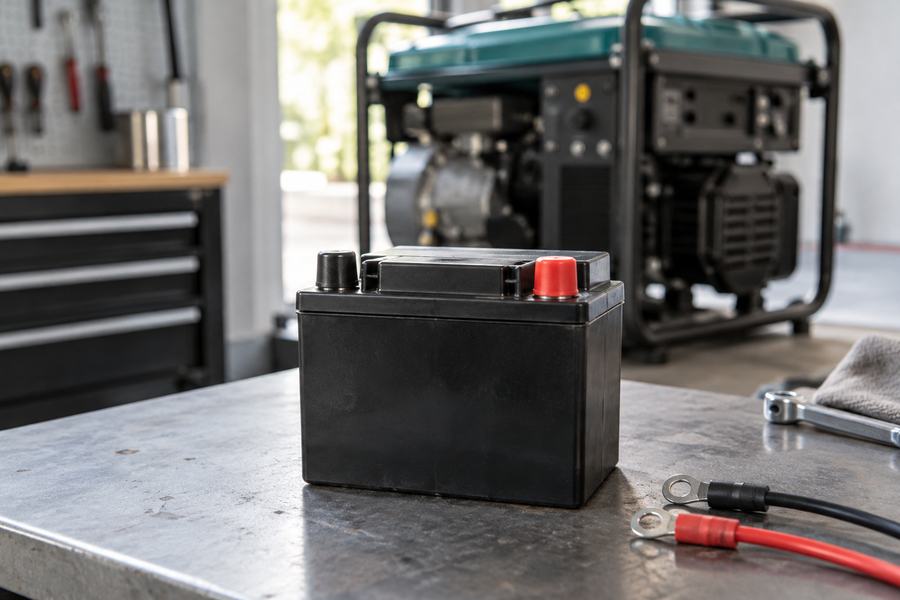
For an electric-start unit, ask which battery is supplied and whether it arrives ready for use. Confirm the battery voltage, manufacturer-recommended specification, charging arrangement and maintenance instructions. The battery, starter and control circuit form a system; an engine that starts readily during a factory demonstration still needs suitable battery care during storage and daily use.
Ask how cold starting is handled on the selected engine. If an approved preheat function or particular operating step is required, it should appear in the instructions. Confirm the cold-start provisions fitted to the quoted engine instead of transferring assumptions from a different diesel design. The supplier should explain the operating temperature range and the preparation required for the intended conditions.
Check manual backup separately
Some electric-start generators also offer manual starting, while others do not. If backup starting without the electric starter is important, request explicit confirmation for the selected model. Ask about the approved procedure and any practical limitations. A recoil handle visible on a different model in the catalogue is not evidence that it will be fitted to your order.
Also clarify what local controls remain available when optional remote equipment is installed. Operators should know how to select the correct mode, stop the machine and prevent an unintended start during service. Keep the operating instructions aligned with the supplied panel so a generic manual does not create confusion at handover.
Remote start: define the connection and the distance
For a wired remote, request the interface type, required signals, cable requirements, connector details and permitted installation arrangement. Ask whether the remote command must be maintained or momentary and how the controller interprets a stop request. Do not connect an external voltage to a terminal simply because it is labelled for remote starting. The interface documentation must establish what that terminal is designed to receive.
For a wireless system, ask for the approved operating conditions and the method used to establish any claimed range. Buildings, metal structures, interference and the operator’s position can affect practical communication. A distance quoted under open conditions is not a guarantee of reliable operation through a site building. If remote operation is essential, agree on an acceptance demonstration in representative conditions.
Decide what feedback the operator needs
A transmitted start request is not proof that the engine has started or that usable power is available. Ask what feedback the remote device provides. Does it show only that a button was pressed, or does it indicate running status, an alarm or failed starting? Specify the information needed for the application rather than assuming a transmitter includes two-way communication.
The operating arrangement should also address loss of communication. Ask what the generator does if a wired signal is interrupted or a wireless command is not received. The acceptable response depends on the application and should follow the manufacturer’s approved design. Record the behavior in the commissioning checklist so the operator understands it before relying on remote control.
Automatic start: specify a sequence of states
An automatic-start request should describe the event that initiates operation, any delay before starting, the permitted crank sequence and the response if the engine fails to start. It should also identify how the system decides that the generator is ready to accept load. Starting the engine and making an acceptable electrical supply available are related but distinct events.
The return sequence matters just as much. Define what happens when the original start condition disappears, when utility power returns if applicable, and when the load should be removed. Any required unloaded cool-down and final stopping sequence should follow the equipment manufacturer’s instructions. Agree how the system avoids repeated unnecessary starts when an external signal changes briefly.
| Stage | Buyer should define | Supplier should confirm |
| Start request | Person, remote device or external condition | Supported signal and operating mode |
| Engine starting | Intended environment and readiness needs | Cranking, preheat and failure response |
| Ready for load | Load requirements and acceptable interruption | Voltage and frequency acceptance logic |
| Load connection | Standalone equipment or transfer system | Compatible control and power interface |
| Shutdown | End of work or return of normal supply | Unloading, cool-down and stop sequence |
Do not write arbitrary timer values into the order without checking their effect. The correct settings depend on the engine, controller, connected equipment and application. Ask the supplier to propose settings for review and include the approved configuration record with the documentation. A timer menu visible on a controller does not mean that every setting is appropriate for the selected generator.
Keep automatic starting separate from load transfer
An engine can start automatically while the connected building remains without power if the transfer system is absent or incompatible. Conversely, a transfer controller may be able to request a start but cannot make an unsuitable generator accept that request. Confirm both the control interface and the power-switching arrangement. Specify the rating and installation instructions for each component separately, since a suitable generator does not establish the suitability of the transfer equipment.
The supply will normally be interrupted while the engine starts and the transfer sequence is completed. Time is normally needed to detect the condition, start the engine, establish acceptable output and transfer the load. If some equipment cannot tolerate that interval, the installation designer must address it separately. Do not select a generator starting accessory on the assumption that it functions as an uninterruptible power supply.
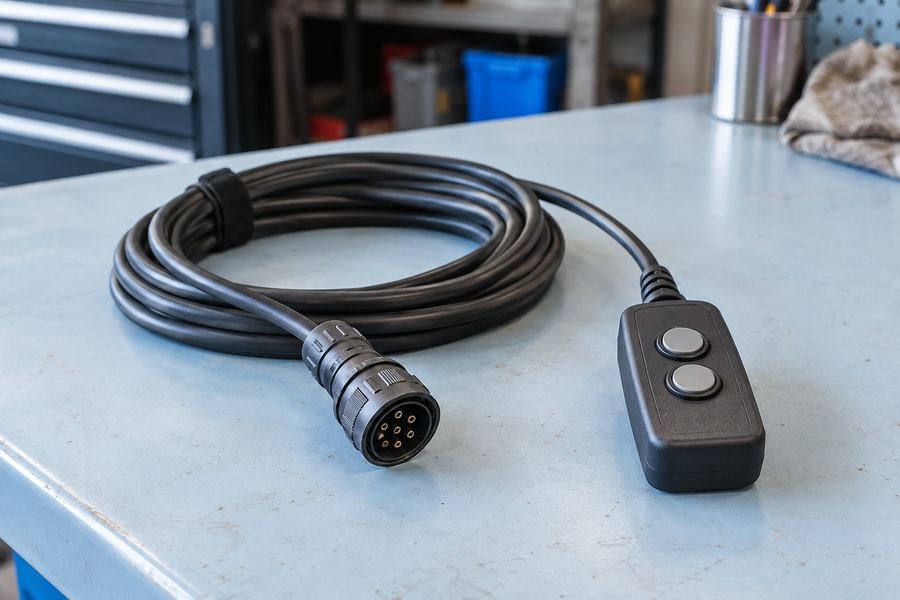
For a proposed open diesel generator, request the exact accessory list and wiring arrangement. Optional starting equipment should be identified in the order with its compatible model and revision. An accessory photographed beside a product is not sufficient confirmation of what will be supplied or how it will be connected.
Make the unattended operating conditions explicit
Automatic or remote starting changes how the machine must be managed. The generator can begin operating when the person responsible is elsewhere. Its location must remain suitable for exhaust discharge, cooling airflow and access control, following the manufacturer and installation requirements. A machine that is safe only while someone holds a temporary cover open is not ready for unattended operation.
Plan an outdoor operating position that prevents exhaust from entering buildings or reaching people through doors, windows or air intakes. Sound attenuation and protection from weather do not authorize running the engine inside a building. If the intended arrangement is permanent or integrated with a building, ask the qualified installer to assess the equipment’s suitability and the complete site design before purchase.
Define service isolation and restart behavior
Request clear instructions for preventing an automatic start during inspection or maintenance. A front-panel stop command may serve a different purpose from the isolation needed for service. Personnel need the manufacturer’s procedure, appropriate warnings and control of the start request. Do not rely on the assumption that a generator which is currently stopped cannot restart.
Ask what happens after an alarm, battery reconnection or restoration of control power. Some applications require an operator to acknowledge a fault before operation resumes; others may have approved automatic responses. The delivered behavior should match the agreed design and be explained in the operating instructions. Unexpected restart behavior is an avoidable handover problem.
Verify the protection functions in each mode
Protective functions should be reviewed for local, remote and automatic operation as applicable. Ask which conditions produce a warning, open the output circuit or stop the engine. Confirm whether the remote operator receives any indication and how a fault is cleared. A local oil-warning lamp may be insufficient feedback for a machine operating beyond the operator’s view.
Request a controlled functional test of the relevant alarms and shutdown responses using the manufacturer’s approved method. Do not create a damaging condition such as actual oil starvation merely to prove that a sensor works. The supplier should identify an appropriate test procedure and record the result for the supplied controller configuration.
Also distinguish a controller’s available functions from the functions actually wired and enabled. A product brochure may list many capabilities, but the generator needs the correct sensors, inputs, outputs and settings to use them. Ask for the fitted-and-enabled function schedule rather than copying the controller’s entire feature list into the purchase record.
Decide what should arrive in the box
List the generator-side hardware and the separate accessories. These may include a battery, charger, remote receiver, transmitter, control cable, compatible connector, transfer equipment or an external control station. Separate factory-supplied items, separately priced options and components that the installation contractor must provide. This prevents a machine advertised as remote-ready from being mistaken for a complete remote-operating package.
Include the documents needed to use those parts: wiring diagrams, connector identification, operating sequence, approved settings and troubleshooting instructions. Ask the supplier to identify document revisions and the model combinations they cover. If an accessory is sourced separately, establish who confirms compatibility and who supports the combined system when a problem occurs.
For an enclosed configuration from the silent diesel generator range, also confirm access to local controls and service isolation points. A remote feature should make operation more convenient without leaving essential checks or controls difficult to reach.
Witness the sequence before accepting the configuration
The acceptance demonstration should reproduce the intended request, successful starting, readiness for load, load connection where included, removal of the request and shutdown. Include relevant failure cases through approved simulation, such as a failed-start indication or loss of the remote signal. Document the indications presented to the operator alongside the generator response throughout the demonstrated sequence.
For fleet purchases, keep a controlled record of transmitter assignments, control settings and replacement accessories. Two visually similar remote devices may use different pairing arrangements or be intended for different units. Ask how replacements are commissioned and how an unwanted transmitter is removed from service. Where starting authority is shared between local and remote controls, document which command takes precedence and demonstrate that behavior during handover. A recorded control configuration gives the next fleet manager a usable basis for ordering replacements and supporting operators.
Finally, make the purchase description specific enough that another supplier or inspector could understand it. “Electric start with local key control” describes a different deliverable from “automatic start through the approved transfer-controller interface.” Name the interface, accessories and documented sequence. That precision helps ensure the generator arrives ready for the way the buyer actually plans to operate it.