Verify a diesel generator’s advertised runtime by asking what load it supplied, how much usable fuel was available, which configuration was tested and what ended the test. Then compare those conditions with your own operating schedule. Treat each advertised runtime as the result of a particular fuel quantity, electrical demand and test setup. A large tank or a claim of long operation does not establish how many hours the machine will power your particular equipment.
For purchasing teams, runtime should be treated as a measurable performance claim. The goal is not to challenge every brochure statement, but to turn the statement into something that can be checked. A concise test record and a realistic load profile can prevent misunderstandings about shift length, refuelling frequency and standby coverage.
Read the runtime claim as a complete sentence
“Runs for twelve hours” leaves several questions open. Was the machine carrying half of its rated output, a small lighting load or no connected load? Was the tank filled to its approved limit? Did the clock include warm-up and cool-down? Was the figure measured on the supplied configuration or estimated from a different model? Ask the supplier to complete the statement with these conditions.
A usable claim might identify a particular model and revision, a defined real load, the corresponding percentage of its rated output, the usable fuel quantity and the test environment. It should state whether the figure was measured or calculated. If the result is rounded for marketing, request the underlying values rather than treating the rounded number as a precise acceptance threshold.
Begin with the relevant diesel generator configuration, because fuel capacity, engine selection and rated output vary across a product family. A runtime quoted for one frequency or engine should not silently migrate to a different version. Ask the supplier to link the claim to the exact machine offered in the quotation.
Establish the load behind the number
Percentage load is useful only when the reference rating is known. Half of a maximum-output figure is not necessarily the same operating point as half of the rated output used for normal operation. Ask for the actual kilowatts delivered during the test and the rating used to calculate the percentage. For relevant loads, also identify power factor and whether the test was balanced across the phases.
A steady resistive load offers a straightforward test condition, but daily equipment may behave differently. Pumps cycle, compressors start, tools stop and chargers change demand as batteries fill. These variations affect the average operating demand. The supplier should explain whether the advertised runtime represents a steady test or a representative work cycle.
Avoid extrapolating from one operating point
Do not assume that doubling the load exactly halves runtime. Diesel fuel consumption is not simply a constant number of litres per kilowatt-hour across every operating condition. A lightly loaded engine still consumes fuel to run itself, and the relationship changes across the load range. Ask for consumption data at several relevant points when the intended work varies substantially.
The same caution applies when comparing two generators. A smaller unit operating at a different proportion of its rating is not a like-for-like test of fuel performance. If the buying decision depends on runtime, compare both candidates at the actual load your equipment requires, as well as checking whether each unit is appropriately rated for that duty.
Distinguish tank capacity from usable fuel
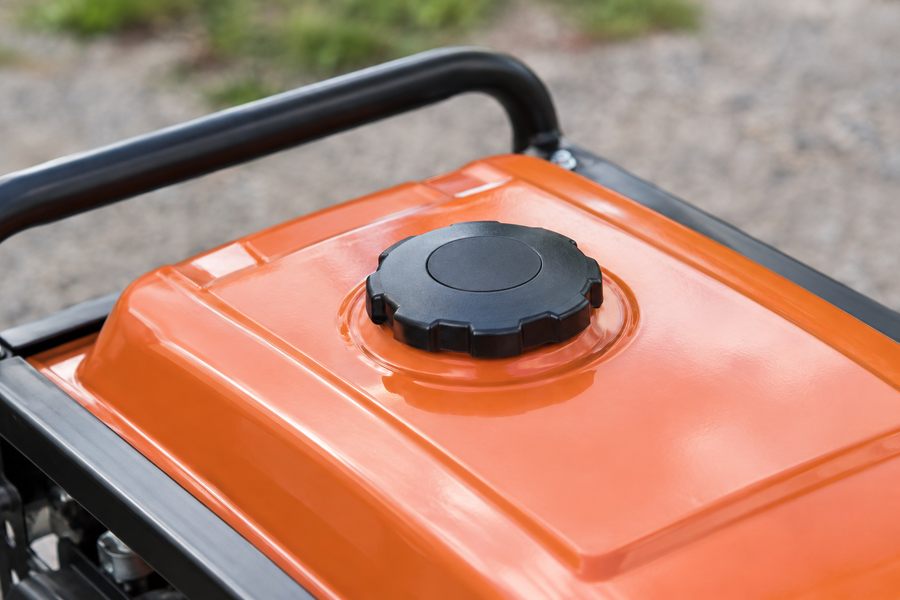
Nominal tank capacity is not always the quantity available for a planned operating interval. The approved filling level, unusable fuel at the pickup, operating position and any low-fuel stopping strategy can affect the practical amount. Ask the manufacturer which fuel quantity was used in the runtime calculation or test. Do not increase the fill level beyond the instructions to reproduce an advertised number.
Define your own reserve separately. A business may choose to stop for refuelling before the engine runs out because an unexpected interruption would disrupt work. That operational reserve is a planning decision, not evidence that the tank has a different physical capacity. Keep nominal capacity, tested usable fuel and chosen reserve in separate fields so they cannot be confused.
Agree on the endpoint
A test can end when the approved fuel quantity is consumed, when a low-fuel threshold is reached or when another defined stopping condition occurs. Those endpoints do not describe the same usable service. Ask what happened at the advertised endpoint and whether the test maintained the required electrical output until that time. Running hours without acceptable power are not the same as useful runtime.
Do not plan a routine test by deliberately allowing an engine to run dry unless the manufacturer approves that procedure. Fuel-system restart requirements vary. A controlled measurement over a known interval can provide consumption information without making an unsuitable fuel-exhaustion test part of normal operation.
Check the arithmetic with transparent assumptions
For a steady operating point, a basic planning relationship is runtime equals usable fuel divided by measured fuel consumption per hour. Suppose a hypothetical generator has 18 litres available for the planned interval and consumes 2.0 litres per hour at the specified load. The estimate is nine hours. These assumed figures demonstrate the arithmetic only; they were not obtained from testing an Excalibur generator and do not describe a listed model.
If the business keeps a three-litre reserve within that 18-litre quantity, only 15 litres are allocated to the planned work interval. At the same assumed consumption, that gives 7.5 hours before reaching the reserve. The calculation helps explain why a brochure’s fuel-to-empty runtime can differ from a sensible shift plan even when neither figure is mathematically wrong.
| Calculation input | Illustrative value | Meaning |
| Fuel available before reserve | 18 L | Assumed usable quantity for this example |
| Operational reserve | 3 L | Fuel intentionally retained for planning |
| Fuel allocated to work | 15 L | Available quantity less the reserve |
| Consumption at defined load | 2.0 L/h | Assumed measured operating point |
| Planned interval | 7.5 h | Work fuel divided by hourly consumption |
If a supplier provides only specific fuel consumption in grams per kilowatt-hour, further information is needed before calculating litres per hour. Confirm the operating point, whether the value refers to the engine or complete generator, and the fuel-density assumptions. Do not treat an engine efficiency figure as a direct tank-runtime guarantee for the finished set.
Model a changing shift in separate periods
For variable work, divide the day into load periods and estimate fuel use for each. Use measured or manufacturer-supported consumption figures relevant to those loads. Multiply each period’s duration by its hourly consumption, then add the results. Include any planned warm-up, unloaded operation and cool-down where the operating instructions require them.
For example, an illustrative shift might include two hours at 1.1 L/h, four hours at 1.8 L/h and one hour at 1.3 L/h. The assumed consumption would total 10.7 litres. These numbers demonstrate the method only. They are not typical values for a particular generator size and should be replaced with suitable data before making a purchase decision.
Show the uncertainty instead of hiding it
Where a load period is uncertain, calculate more than one credible scenario. A quiet day and a demanding day can produce different refuelling schedules. State which assumptions change and keep the generator configuration fixed. This gives the purchasing team a useful operating range instead of a single attractive number with no explanation.
After delivery, compare the plan with measured use over representative shifts. Record connected equipment and operating time alongside fuel observations. Differences may reflect a changed work pattern rather than a defective generator. A good record helps the supplier investigate the right issue and helps the operator refine the refuelling schedule.
Request a test record that can be traced
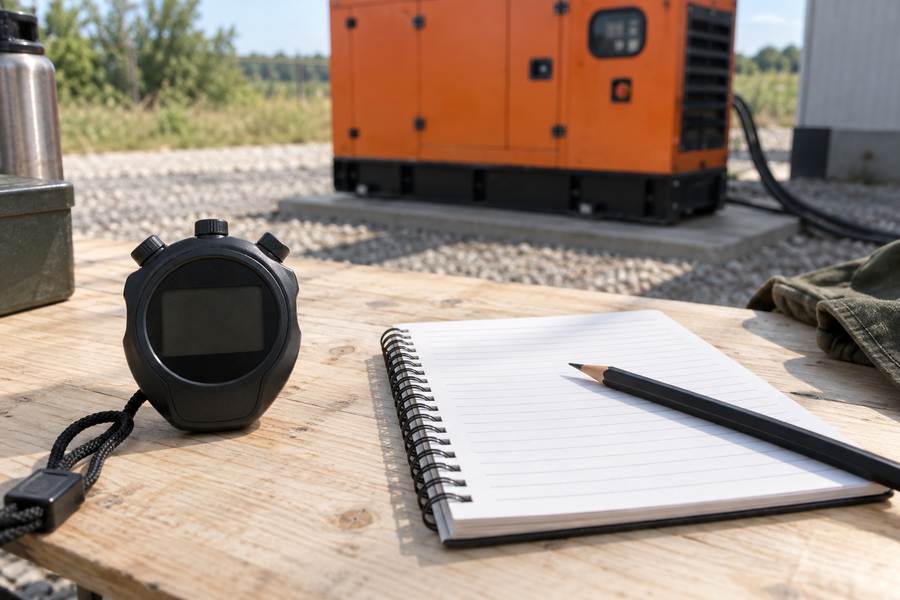
Ask for the model, serial identification where applicable, engine configuration, rated output, voltage and frequency. The record should state the load applied, test duration, fuel measurement method, environmental conditions and the resulting consumption or runtime. If the generator has a selectable configuration, identify the mode used. If the figure is a design estimate, label it as such.
Measurement quality matters. A rough visual reading of a tank gauge may be adequate for everyday awareness but too imprecise for resolving a small contractual difference. Agree how fuel use will be measured and how measurement uncertainty will be handled. The test method should also account for the engine’s fuel-system arrangement where applicable, rather than assuming every supply-line measurement equals net fuel consumed.
Ask whether the electrical load remained within the agreed tolerance during the test. If the load drifted or equipment switched off, the result needs that context. A reliable report ties the fuel measurement to the useful output delivered over the same interval. It should not combine a fuel figure from one test with a load figure from another.
Compare advertised figures on the same basis
Place competing claims in a small comparison sheet. Record the actual load, tank quantity, usable fuel, operating conditions, measurement method and endpoint. Mark missing information as unconfirmed. Do not rank two products by runtime until the important differences are understood. A larger tank may explain a longer result even when hourly fuel consumption is higher.
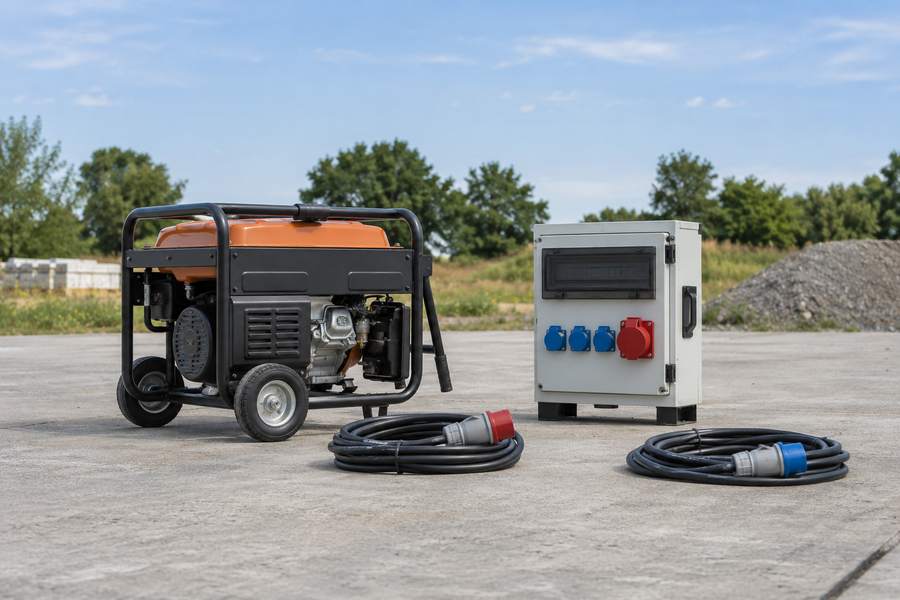
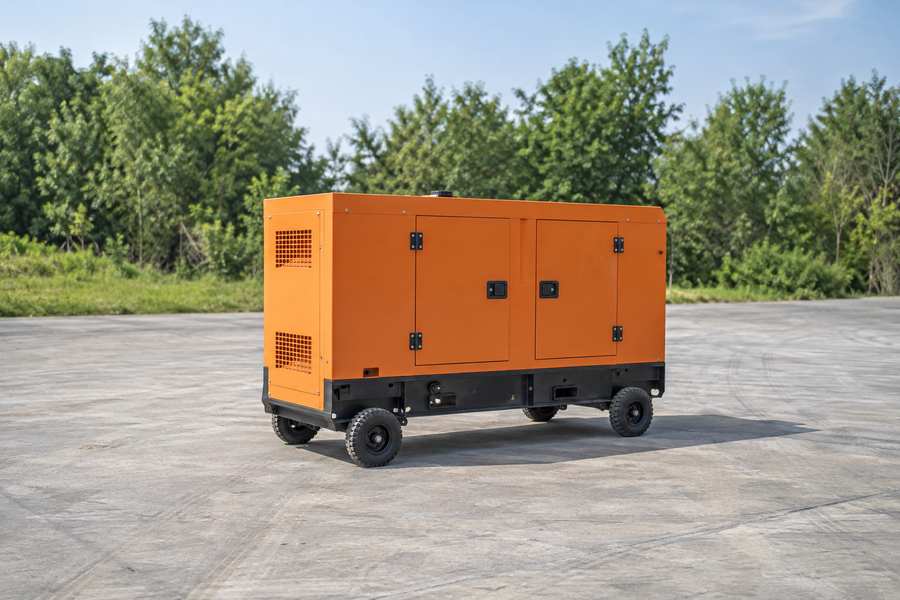
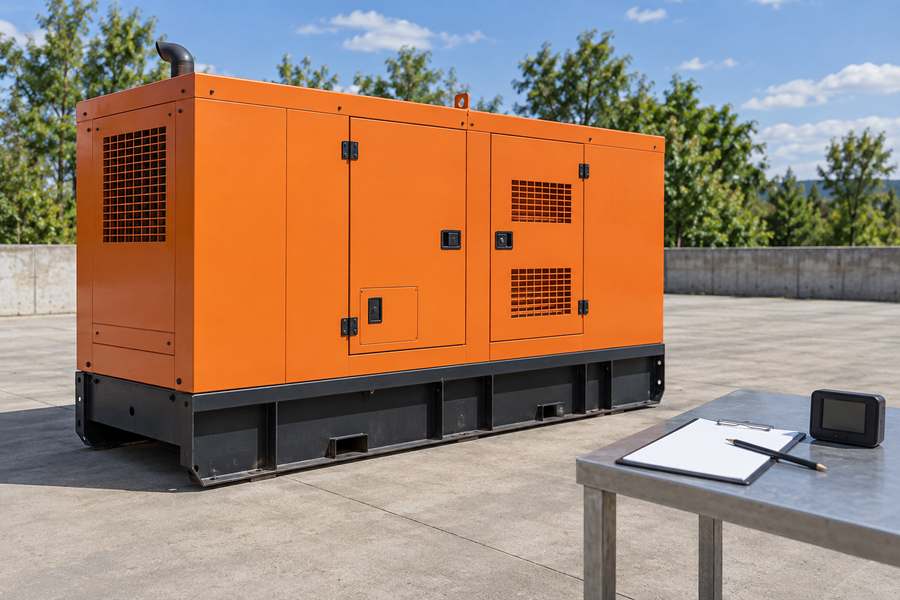
Compare the practical implications as well. A long runtime can reduce the number of planned refuelling stops, but tank size can affect weight and handling. The correct tradeoff depends on the site, transport arrangements and working day. When considering open diesel generators, request the tank and handling details for the exact model rather than generalizing from the frame style.
Keep runtime separate from duty suitability
A machine’s ability to carry enough fuel for a stated period does not by itself establish permission for that operating duty. Confirm the manufacturer’s load and maintenance requirements separately. A generator intended for a different service pattern does not become suitable for repeated long shifts because an auxiliary fuel arrangement can be attached.
Any external fuel system requires explicit manufacturer compatibility and appropriate installation. Do not assume that a larger container, improvised hose or gravity feed is an acceptable way to extend operation. If extended autonomy is essential, ask for a designed solution and the associated operating instructions as part of the purchase specification.
Turn runtime into a purchase acceptance item
Define the requirement in terms of useful power for a stated period under agreed conditions. Identify the minimum acceptable operating interval, the load profile, fuel quantity and test method. Include the machine configuration and any environmental assumptions. Agree how the buyer and supplier will resolve a result near the acceptance boundary, including the role of measurement uncertainty and a repeat test.
If your requirement is a full work shift, state whether planned refuelling is allowed. If your requirement is backup coverage, identify the essential loads and the expected operating sequence. These descriptions help the supplier propose a suitable configuration without confusing a marketing runtime number with the buyer’s actual need.
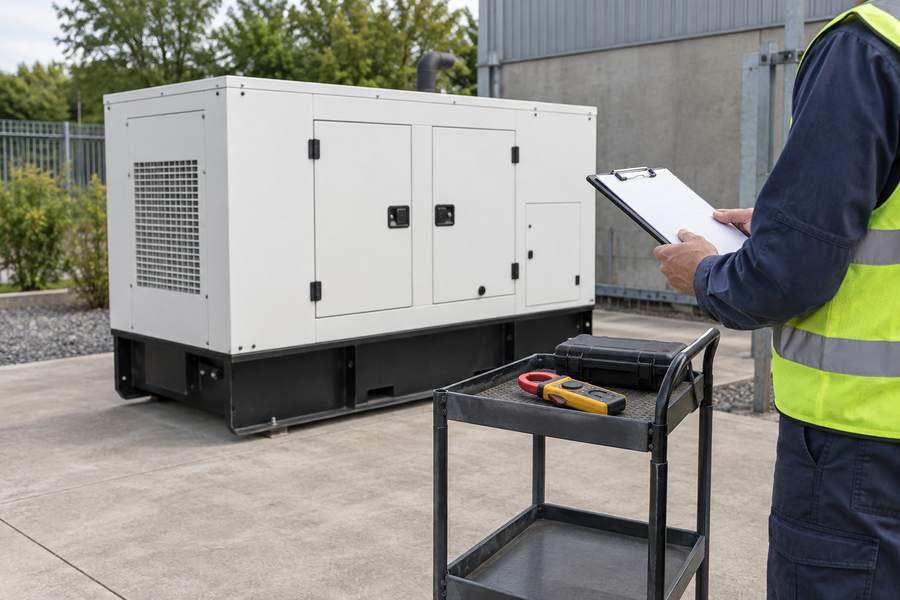
For an enclosed model, review the silent diesel generator options together with its tank, engine and cooling details. Enclosure style alone cannot establish consumption or autonomy. Ask for the same traceable evidence that you would request for an open-frame unit.
The evidence that makes a runtime claim useful
A credible runtime statement can be traced from the exact generator configuration through the tested load and fuel quantity to a clear endpoint. The buyer can reproduce the calculation, understand the limitations and compare the result with the intended work. Where those details are missing, treat the advertised duration as an enquiry starting point rather than a confirmed shift-length guarantee.
For repeat purchases, ask whether the tank, engine or control settings have changed since the original runtime evidence was prepared. A familiar model name can remain in use while an approved configuration is revised. Keep the relevant revision beside the fuel data, and require the supplier to explain whether the earlier test remains applicable. This helps prevent a valid historical result from becoming an unsupported claim for a later shipment.
Keep the approved test basis with the quotation and operating documents. That record supports factory acceptance, delivery checks and later discussions about performance. It also gives the operator a practical refuelling plan grounded in the equipment being used, instead of relying on a single number that may describe a very different operating day.