Excalibur Generator

JIANGSU EXCALIBUR POWER MACHINERY CO., LTD    |   One-stop Power Machinery Manufacturer

Author name: Excalibur

Forward Plate Compactor vs Reversible Plate Compactor
Uncategorized

Forward Plate Compactor vs Reversible Plate Compactor: Which One Is Right for Your Project?

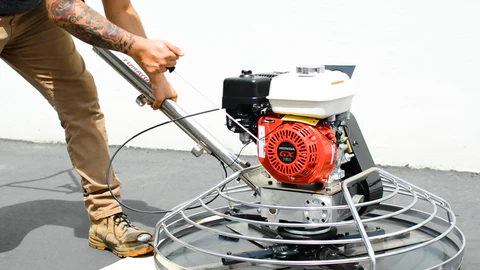
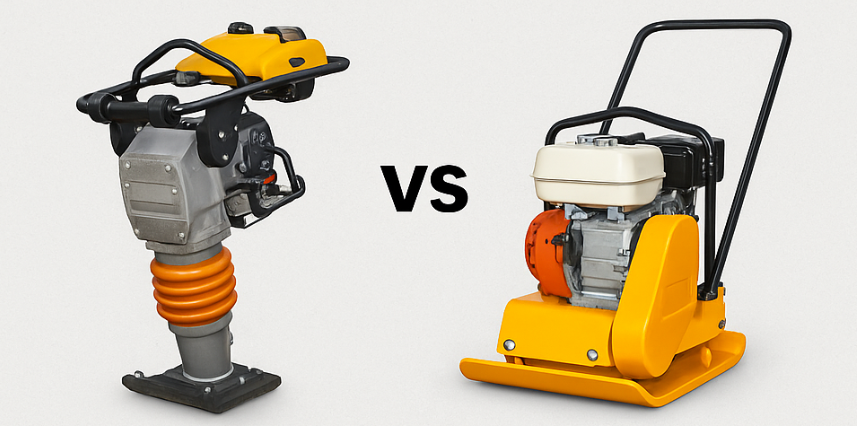
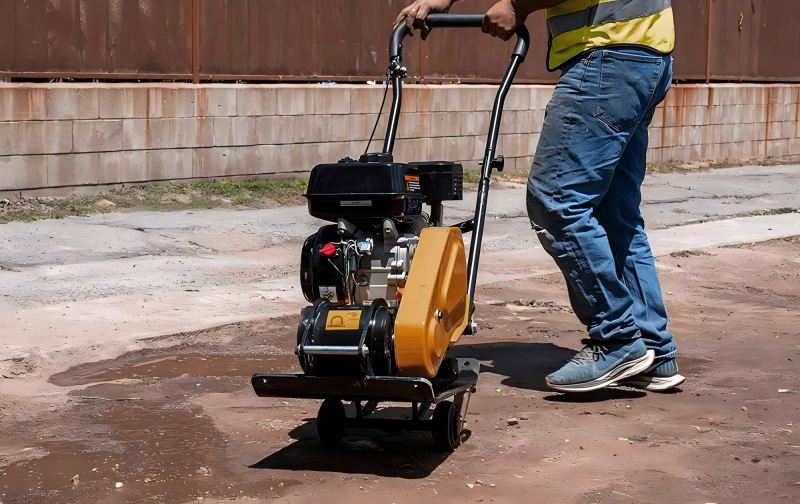
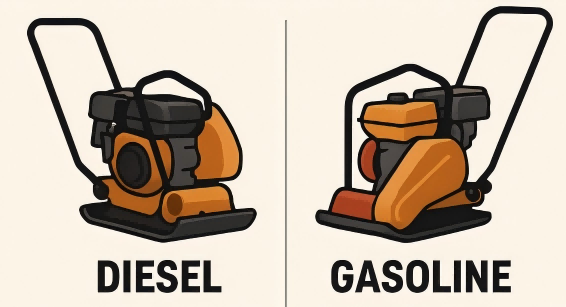
Compaction is a fundamental step in nearly all construction projects, whether it involves laying down a foundation, paving a driveway, or preparing a trench. The forward plate compactor and the reverse plate compactor are two of the most widely used varieties of compaction equipment. While both are designed to compress granular materials like soil, gravel, and asphalt, they differ in functionality, performance, cost, and suitable applications. In this in-depth guide, we will explore the key differences, advantages, and ideal use cases of forward and reversible plate compactors. Whether you’re a contractor, equipment rental company, or DIY enthusiast, understanding these distinctions will help you make an informed choice. Understanding the Basics: What Are Plate Compactors? Plate compactors, also known as vibrating plate compactors, are machines that use a heavy metal plate combined with vibrations to compact soil and aggregate materials. Compaction is crucial because it eliminates air gaps, increases soil density, and improves the load-bearing capacity of the ground. Types of Plate Compactors: Forward Plate Compactor Reversible Plate Compactor (Other variants include hydraulic and high-performance compactors, but we’ll focus on the two main categories.) Each type suits specific jobs, conditions, and application requirements best. Forward Plate Compactor: Ease and Quickness What Is a Forward Plate Compactor? A forward plate compactor is a lightweight, single-direction compactor that only moves in a forward motion during operation. It typically has a smaller base plate and is ideal for compacting granular soils in confined or small areas. How It Works: Powered by a gasoline or diesel engine Rotating eccentric weights create a vibratory force Vibration combined with the forward motion compresses the material underneath the plate Key Features: Lightweight: Usually weighs between 100 to 300 pounds (45–135 kg) Compact Size: More manageable in cramped areas User-Friendly: Simple controls and minimal maintenance Lower Cost: More affordable to buy or rent Best Applications: Sidewalks Driveways Landscaping projects Residential construction Asphalt patching Limitations: Only moves forward, making it difficult to reposition in tight spots Less compaction force than reversible models Not ideal for cohesive or moist soils Reversible Plate Compactor: Power and Versatility What Is a Reversible Plate Compactor? A reversible plate compactor, as the name suggests, can move both forward and backward during operation. It is larger, more powerful, and capable of handling tougher compaction jobs with greater efficiency. How It Works: Similar vibratory mechanism as forward plate compactors Has a mechanical or hydraulic mechanism that can change the direction of the plate. Vibration and directional flexibility allow for deeper and more uniform compaction Key Features: Bidirectional Movement: Increases control and coverage Heavier Build: Weighs between 300 to 1,200 pounds (135–545 kg) Higher Compaction Force: Ideal for deep layers and compacting cohesive soils Advanced Control Systems: Some models offer variable speed and travel control Best Applications: Trench work Large-scale foundation preparation Road and highway construction Commercial paving and utility installations Limitations: Higher cost Larger size makes it harder to transport and operate in narrow spaces Requires more operator skill Key Differences Between Forward and Reversible Plate Compactors Feature Forward Plate Compactor Reversible Plate Compactor Movement Direction Forward only Forward and backward Weight Range 100–300 lbs 300–1,200 lbs Centrifugal Force Up to ~4,000 lbs Up to ~13,000+ lbs Maneuverability High in tight areas Good, but requires more space Soil Type Granular soils Granular and cohesive soils Depth of Compaction Shallow (2–6 inches) Deep (up to 24 inches) Price Lower Higher Ideal For Small residential jobs Medium to large commercial jobs Learning Curve Easy to operate Moderate operator skill required Maintenance Needs Minimal Moderate to high Choosing the Right Compactor: Key Considerations A. Project Size Small areas (sidewalks, patios, small trenches): Forward plate compactors are ideal due to their lightweight and portability. Large-scale jobs (commercial sites, deep trenching): Reversible compactors offer better compaction force and control. B. Soil Type Granular materials like sand and gravel: Both compactor types can be used. Cohesive materials like clay: Reversible compactors perform better due to greater compaction force. C. Budget Constraints Forward plate compactors are more budget-friendly and a good entry point for homeowners or small contractors. Reversible compactors involve a higher investment but are cost-effective for demanding tasks. D. Maneuverability Needs Forward compactors are easier to operate in tight or awkward locations. Reversible compactors require more space but offer better control for large areas. Cost and Rental Comparison Purchase Cost Forward Plate Compactor: $600 – $2,000 Reversible Plate Compactor: $3,000 – $8,000+ Rental Rates (Daily Average) Forward: $40 – $80/day Reversible: $100 – $200/day These figures vary based on size, brand, and optional features (like water tanks for asphalt or transport wheels). Maintenance and Durability Forward Plate Compactors: Reduced parts mean a lower likelihood of mechanical failure. Routine maintenance includes oil changes, belt checks, and plate cleaning Reversible Plate Compactors: More complex systems with hydraulics or mechanical reversers Requires regular checks on directional control mechanisms, vibratory assembly, and engine performance Durability is high in both types, but reversible compactors tend to last longer in heavy-duty use due to their robust build. Operator Experience and Safety Forward Compactors: Suitable for beginners Minimal training required Lower risk of injury due to lighter weight and simpler controls Reversible Compactors: May require training, especially on slope or trench compaction More powerful and potentially hazardous if misused Emergency shut-offs, vibration-dampening handles enhance operator safety. Environmental and Operational Conditions Noise Levels: Both can be noisy; consider models with lower decibel ratings for urban or residential areas. Emissions: Most run on gasoline or diesel. Electric options are limited but growing in popularity for indoor work. Weather Impact: Wet or muddy conditions reduce compaction efficiency; reversible models perform better in adverse conditions. Innovations and Future Trends Battery-powered plate compactors are emerging as sustainable alternatives for low-emission environments. Remote-controlled and automatic-grade compactors are being tested for high-precision applications. Vibration control technologies reduce operator fatigue and increase comfort. These developments are more likely to appear first in reversible compactors due to their complex systems and broader commercial use. Which One Should You Choose? Choose a Forward Plate Compactor if: Working on

silent gasoline generator for home and outdoor
Uncategorized

Top 10 Silent Gasoline Generators for Home and Outdoor Use

Product Trend Because of their mobility, fuel economy, and quiet operation, silent gasoline generators are becoming more and more popular. They are perfect for outdoor activities like camping and tailgating as well as providing backup power for homes during blackouts. The trend is moving towards more advanced features such as eco-mode for better fuel efficiency, parallel capabilities for increased power output, and user-friendly interfaces with LED displays and USB ports for charging electronics. When it comes to reliable and quiet power sources, silent gasoline generators are a top choice for many homeowners and outdoor enthusiasts. These generators supply the required electricity to power important appliances without the bothersome noise commonly associated with conventional generators. In this article, we will explore the top 10 silent gasoline generators that are perfect for both home and outdoor use. Top 10 Quietest Gasoline Generators Generator Model Noise Level (dBA) Peak Power (Watts) Continuous Power (Watts) Runtime (Hours) Weight (lbs) Special Features Honda EU2200i 48-57 2200 1800 8.1 47 Fuel efficient, lightweight Yamaha EF2000iSv2 51.5-61 2000 1600 10.5 44 Long runtime, compact size WEN 56200i 51 2000 1600 6 48 Overload protection, low-oil shutdown Generac GP3000i 50-60 3000 2300 5.8 59 PowerRush technology, high starting capacity Westinghouse iGen2200 52 2200 1800 12 46 Eco-mode, LED display Champion 2000-Watt Inverter 53 2000 1700 9.5 39 Stackable design, versatile Briggs & Stratton P2400 58 2400 1800 8 55 USB port, LCD display A-iPower SUA2000iV 58 2000 1600 9 46 Built-in fuel gauge, low-oil shutdown Pulsar PG2000iSN 59 2000 1600 8 47 Parallel capability, stable sine wave technology Excalibur S7500CXS Series 65 7500 7000 10 220 High power output, 16 horsepower engine Honda EU2200i The Honda EU2200i is well known for its dependability and quiet running. Being among the quietest generators available on the market, its noise level is only 48 to 57 dBA. With its peak power output of 2200 watts and constant power output of 1800 watts, it is perfect for supplying electricity to both indoor and outdoor appliances. Its lightweight design and fuel efficiency make it a favorite among users. Yamaha EF2000iSv2 The Yamaha EF2000iSv2 is another excellent silent gasoline generator.It can generate 2000 watts of peak power and 1600 watts of continuous power while operating at a noise level of 51.5 to 61 dBA. This generator is known for its long runtime, capable of running for up to 10.5 hours on a single tank of gas. Its compact size and portability make it perfect for camping and outdoor activities. WEN 56200i An affordable solution that maintains performance is the WEN 56200i. It provides 2000 watts of peak power and 1600 watts of continuous output while operating at 51 dBA of noise. In addition to its lightweight and portability, this generator boasts features like overload protection and low-oil shutdown that guarantee dependable and safe operation. Generac GP3000i The Generac GP3000i is a powerful yet quiet generator, producing 3000 watts of peak power and 2300 watts of continuous power. Its noise level ranges from 50 to 60 dBA, making it suitable for home backup and outdoor use. With the generator’s enhanced PowerRush technology, you can power many gadgets at once because it has a higher beginning capacity. Westinghouse iGen2200 The Westinghouse iGen2200 is a highly efficient and quiet generator, operating at a noise level of 52 dBA. Its power output is 1800 watts in constant state and 2200 watts at peak. This generator features an eco-mode for improved fuel efficiency and an LED display that shows the remaining runtime and fuel level. It is portable because of its ergonomic grip and lightweight construction. Champion 2000-Watt Stackable Portable Inverter Generator The Champion 2000-Watt generator is a versatile and quiet option, with a noise level of 53 dBA.It produces 1700 watts of continuous power and 2000 watts of peak output. Its stackable design, which lets you combine it with another unit for higher power output, is one of its best qualities. Briggs & Stratton P2400 PowerSmart Series The Briggs & Stratton P2400 is a reliable and quiet generator, operating at 58 dBA. It can provide 2400 watts of electricity at its peak and 1800 watts of continuous power. This generator includes a USB port for charging electronic devices and an LCD display for monitoring power usage. It is a well-liked option for camping and tailgating because of its small size and simple-to-start engine. A-iPower SUA2000iV The A-iPower SUA2000iV is a cost-effective silent gasoline generator, operating at 58 dBA. The gadget can consistently provide 1600 watts of electricity, with a maximum power output of 2000 watts. For enhanced convenience and security, this generator has a low-oil shutdown and an integrated fuel gauge.This item’s compact dimensions and lightweight construction make it easy to store and travel. Pulsar PG2000iSN The Pulsar PG2000iSN is a reliable and quiet generator, with a noise level of 59 dBA.It provides 1600 watts of continuous power and 2000 watts of peak output. Because of its parallel capabilities, you may link this generator to another one to boost its production of electricity. Its stable sine wave technology ensures safe operation of sensitive electronics. Excallbur S7500CXS Series The S7500CXS Series is a versatile, quiet generator with an operating noise of 65 dBA. The gadget can consistently provide 7,000 watts of electricity, with a maximum power output of 7,500 watts. This generator is equipped with a 16 horsepower output horsepower, which can generate enough power in a short time, making it an excellent choice for quiet occasions. Choosing the Right Silent Gasoline Generator When selecting a silent gasoline generator, there are several factors to consider: Noise Level: The primary advantage of silent gasoline generators is their quiet operation.For the least amount of disturbance, look for generators with noise levels around 60 dBA. Power Output: Choose a generator with sufficient peak and continuous power to meet your needs. Take into account the wattage needs of the devices and appliances you intend to power. Fuel Efficiency: Generators with eco-mode or automatic idle features can help extend runtime and reduce fuel

diesel generator for building
Uncategorized

Why Diesel Generators are Essential for Emergency Preparedness

The significance of adequately preparing for emergencies in the contemporary environment cannot be exaggerated. Natural disasters, power grid failures, and other unexpected events can leave households and businesses without electricity for extended periods. Using diesel generators is one of the most dependable ways to reduce these hazards. Among the various types of generators available, open diesel generators stand out for their efficiency, durability, and performance under extreme conditions. This article delves into why diesel generators are essential for emergency preparedness. Reliability and Efficiency Diesel generators are popular for emergency preparedness mostly due to their dependability. This dependability is vital in emergency situations where maintaining power is required to keep critical equipment operational. Open diesel generators, in particular, are designed to operate in various environments, making them a versatile choice for both residential and commercial applications. Diesel generators are very effective as well. In comparison to gasoline generators, they use less fuel and produce greater power per gallon of fuel. Longer run times are a result of this efficiency, which is essential during protracted power outages. The ability to run efficiently on readily available diesel fuel makes these generators a practical choice for emergency preparedness. Power Capacity and Performance Open diesel generators may generate large amounts of electricity, which makes them appropriate for a variety of uses. Diesel generators are capable of handling the load, whether it’s for a big industrial facility or a tiny residential one. This high power capacity ensures that all essential systems, including heating, cooling, lighting, and medical equipment, can continue to function during an outage. The performance of diesel generators is another key factor. Diesel engines provide steady and reliable power, which is essential for sensitive electronics and critical systems. Unlike some other types of generators that may produce fluctuating power outputs, diesel generators offer consistent performance, reducing the risk of damage to equipment. Durability and Longevity Solutions that are long-lasting and resistant to adverse environments are necessary for emergency preparation. Open diesel generators are built to be durable and long-lasting. The construction of these generators includes heavy-duty components that can endure extreme weather conditions, rough handling, and continuous operation.Because of its endurance, the generator will be reliable when required most. Diesel generators are more robust and have a longer lifespan than generators powered by gasoline or propane. A diesel generator may run for decades with regular maintenance, offering a dependable backup power supply for many years. They are an affordable emergency preparation investment due to their lifespan. Easy Maintenance and Availability When compared to other generator types, diesel generator maintenance is rather simple. Diesel engines are simpler in design, with fewer parts that can fail. Regular maintenance, such as oil changes, filter replacements, and inspections, may keep the generator functioning at peak efficiency. Easy-to-access parts are another feature of many open diesel generators that make maintenance easier. Another advantage is the availability of diesel fuel. Diesel is widely available, even during emergencies when other fuels might be scarce. This availability ensures that your generator can be refueled and continues to provide power during extended outages. Furthermore, diesel fuel may be stored for extended periods of time without deteriorating since it has a longer shelf life than gasoline. Versatility and Adaptability Open diesel generators may be used for a wide range of purposes due to their great versatility. They offer an adaptable answer for sudden power requirements and may be utilized in commercial, industrial, and residential situations. A diesel generator can supply the energy required to run industrial machinery, vital corporate processes, or necessary home appliances. Diesel generators are versatile in that they may be installed in many ways. Open diesel generators can be installed as permanent fixtures or used as portable units, depending on your needs. Because of its flexibility, you may customize your emergency power setup to fit your particular requirements. Environmental Considerations Although diesel generators are thought to be less eco-friendly than some other choices, technological developments have produced cleaner and more effective types. Contemporary open diesel generators are engineered to adhere to stringent emissions regulations, hence reducing their ecological footprint. Additionally, the efficiency of diesel engines means they consume less fuel, resulting in fewer emissions per kilowatt of power generated. Conclusion In summary, every disaster preparation strategy must include diesel generators, especially open diesel generators. Their reliability, efficiency, high power capacity, durability, and ease of maintenance make them a superior choice for ensuring continuous power during emergencies. The availability of diesel fuel and the versatility of these generators further enhance their suitability for a wide range of applications. By investing in a diesel generator, you can protect your home or business from the unpredictable nature of power outages and ensure that essential systems remain operational when it matters most. Emergency preparedness is about being ready for the unexpected, and with a diesel generator, you can be confident that you have a reliable and powerful source of backup power at your disposal.

diesel generator for architecture
Uncategorized

Understanding Diesel Generator Fuel Efficiency and Consumption

In the realm of backup power solutions and primary power sources for remote locations, diesel generators have long been a cornerstone. They are essential for a variety of applications due to their dependability, sturdiness, and effectiveness. However, a key aspect that potential buyers and users frequently focus on is fuel efficiency and consumption. This article delves into the intricacies of diesel generator fuel efficiency, factors influencing fuel consumption, and best practices to optimize the performance of your diesel generator. What is Fuel Efficiency in Diesel Generators? Fuel efficiency in diesel generators is a measure of how effectively the generator converts diesel fuel into electrical power. Usually, fuel consumption is expressed as a number per kilowatt-hour (kWh) of power produced. A more fuel-efficient generator will consume less diesel to produce the same amount of power, making it cost-effective and environmentally friendly. Calculating Fuel Efficiency The fuel efficiency of a diesel generator can be calculated using the following formula: Fuel Efficiency (kWh/L)=Power Output (kW)/Fuel Consumption (L/hour) For instance, if a generator consumes 10 liters of diesel per hour and produces 50 kW of power, its fuel efficiency is: Fuel Efficiency=1050=0.2 liters/kWhFuel Efficiency=5010​=0.2 liters/kWh Lower values indicate higher efficiency, as less fuel is used to generate each kilowatt-hour of power. Factors Influencing Fuel Efficiency Several factors influence the fuel efficiency of diesel generators, including the generator’s load, engine design, maintenance, and operational conditions. Load Factor The load factor, or the percentage of the generator’s capacity being used, significantly impacts fuel efficiency. Generators achieve peak efficiency when operating at about 75-80% of their maximum load. Too little load on a generator can result in “wet stacking,” a condition in which unburned fuel builds up in the exhaust system reduces efficiency, and perhaps causes damage. Engine Design Modern diesel generators incorporate advanced technologies to boost fuel efficiency. Fuel consumption is decreased and combustion efficiency is increased with features like electronic fuel injection, intercooling, and turbocharging. When selecting a generator, opting for newer models with these technologies can lead to better fuel efficiency. Maintenance Sustaining maximum fuel economy requires routine maintenance. This includes routine checks and replacements of air filters, fuel filters, and oil. Filters that are blocked or dirty can impede fuel and airflow, making the engine work harder and consume more fuel. Additionally, timely servicing and calibration of the fuel injection system can prevent fuel wastage. Operational Conditions The environment in which the generator operates also affects fuel efficiency. High ambient temperatures can decrease efficiency, as the engine must work harder to stay cool. Similarly, operating at high altitudes can reduce efficiency due to lower oxygen levels. Effective ventilation and cooling systems can help alleviate these effects. Understanding Fuel Consumption Fuel consumption refers to the amount of diesel fuel used by the generator over a specific period, usually measured in liters per hour. It is essential to comprehend and regulate fuel usage in order to keep operating expenses under control and guarantee effective generator management. Typical Fuel Consumption Rates Fuel consumption rates vary based on the size and capacity of the generator. Here are some typical fuel consumption rates for different generator sizes: Small generators (5-10 kW): Approximately 1-2 liters per hour Medium generators (10-50 kW): Approximately 2-6 liters per hour Large generators (50-200 kW): Approximately 6-20 liters per hour Industrial generators (200+ kW): Over 20 liters per hour Load-Dependent Consumption Fuel consumption is directly proportional to the load on the generator. As the load increases, the generator consumes more fuel. For instance, a generator running at 50% load will consume less fuel than the same generator running at full capacity. It is essential to match the generator’s capacity to the expected load to optimize fuel consumption. Measuring Fuel Consumption Accurately measuring fuel consumption helps in planning fuel supply and managing costs. This can be done using: Fuel Meters: Installed in the fuel line, these meters provide real-time data on fuel usage. Manual Calculation: By recording the generator’s run time and the amount of fuel used, one can calculate the consumption rate. Tips for Optimizing Fuel Efficiency and Consumption To get the most out of your diesel generator, consider the following best practices: Load Management Ensure that the generator operates at an optimal load. Avoid running the generator at very low loads for extended periods. Use load banks to simulate load and maintain efficiency if necessary. Regular Maintenance Follow a strict maintenance schedule. Make sure that the fuel injection system is correctly calibrated, and conduct routine checks and replacements of the air and fuel filters. Use high-quality lubricants and fuel to maintain engine health. Upgrade and Modernize Consider upgrading older generators to modern, more fuel-efficient models. Efficiency can be greatly increased by putting cutting-edge technologies like variable speed control and electronic fuel injection into practice. Environmental Control Ensure the generator operates in favorable conditions. Sustain ideal operating temperatures by providing sufficient ventilation and cooling systems. If operating in high altitudes, consider using turbocharged engines to compensate for reduced oxygen levels. Training and Monitoring Train personnel on best practices for operating and maintaining generators. Use monitoring systems to track fuel consumption and efficiency in real time, allowing for timely interventions and adjustments. Conclusion Understanding diesel generator fuel efficiency and consumption is crucial for optimizing performance and controlling operational costs. By considering factors such as load management, regular maintenance, and the use of modern technologies, you can ensure your diesel generator operates at peak efficiency. With proper care and management, diesel generators remain a reliable and cost-effective power solution for a wide range of applications. Investing in efficient diesel generators and following best practices not only enhances performance but also promotes environmental sustainability by reducing fuel consumption and emissions. As a leading diesel generator manufacturer, we are committed to providing high-quality, efficient generators that meet your power needs while ensuring optimal fuel efficiency and minimal environmental impact.    

diesel generator for building
Uncategorized

6 Benefits of Using Diesel Generators for Backup Power

In the modern world, when efficiency and dependability are crucial, guaranteeing a steady power supply is essential for both homes and businesses. Diesel generators have long been the backbone of backup power systems, providing a reliable and efficient solution during power outages. Diesel generators are clearly superior to other kinds of generators: Save Money Less Required Maintenance Longer Runtime Safer Option Mobility Ease of Use We delve into the five key benefits of using diesel generators for backup power, highlighting their unmatched reliability, cost-effectiveness, fuel efficiency, environmental advantages, and ease of maintenance. Save Money Potentially large cost savings are one of the strongest arguments in favor of diesel generators for backup power. While the initial investment for a diesel generator might be higher than for other types of generators, such as gasoline or propane, the long-term financial benefits are substantial. Compared to other fuels, diesel generators are able to produce more electricity per fuel unit. This reduces fuel consumption and reduces operating costs over time. In addition, diesel engines are designed to be durable, which reduces costs.  Here’s a breakdown based on 2023 fuel prices and average generator performance: Diesel vs. Other Fuel Generators Fuel efficiency: Diesel generators are about 20-30% more fuel-efficient than gasoline. Fuel consumption per kWh: Diesel: 0.28-0.35 gallons/kWh Gasoline: 0.45-0.55 gallons/kWh Natural Gas: 0.30-0.40 cubic meters/kWh Propane: 0.35-0.45 gallons/kWh Fuel cost per gallon (2023): Diesel: $4.50/gallon Gasoline: $3.80/gallon Natural Gas: $0.55/cubic meter Propane: $3.00/gallon For a 5kW generator running 8 hours per day: Diesel cost/day: 5kW × 8 hours × 0.35 gallons × $4.50 = $63/day Gasoline cost/day: 5kW × 8 hours × 0.55 gallons × $3.80 = $83.60/day (Diesel saves $20.60/day) Natural gas cost/day: 5kW × 8 hours × 0.40 cubic meters × $0.55 = $8.80/day (Diesel costs $54 more/day) Propane cost/day: 5kW × 8 hours × 0.45 gallons × $3.00 = $54/day (Diesel costs $9 more/day) Less Required Maintenance Diesel engines lack carburetors and spark plugs, which are typically in need of regular repair and maintenance, in contrast to gasoline engines. This reduces operating costs in disguise. The absence of these parts means fewer chances of malfunction and less frequent need for servicing. Less Frequent Oil Changes: For a generator running 8 hours per day, a diesel engine would need an oil change approximately every 62 to 87 days, while a gasoline generator might need one every 12 to 25 days. Fewer Component Replacements: Diesel engines operate at lower RPMs (typically 1,800 RPM), reducing wear on parts compared to gasoline or propane engines, which run at higher RPMs (often 3,600 RPM). Cost of Maintenance: The annual maintenance cost of a diesel generator is around $0.02 to $0.03 per kWh of energy produced. Gasoline generators can cost up to $0.04 to $0.06 per kWh due to more frequent maintenance and shorter engine life. Longer Runtime When it comes to providing backup power, the duration of operation is a critical factor. Diesel generators are built for extended runtime, making them perfect for long-term power outages. Large fuel tanks and fuel efficiency allow them to run longer without refueling. For a 5kW generator with a standard fuel tank size of 20 gallons: Diesel Generator Runtime: Fuel consumption: 0.35 gallons per kWh Runtime per gallon: 10-12 kWh Total runtime for 20 gallons: 40-48 hours Gasoline Generator Runtime: Fuel consumption: 0.55 gallons per kWh Runtime per gallon: 7-9 kWh Total runtime for 20 gallons: 25-32 hours Propane Generator Runtime: Fuel consumption: 0.65 gallons per kWh Runtime per gallon: 6-7 kWh Total runtime for 20 gallons: 18-22 hours Safer Option When choosing a backup power source, safety is a crucial consideration, and diesel generators perform exceptionally well in this regard. Diesel fuel is less flammable than gasoline, reducing the risk of fire hazards. Diesel is a safer option when it comes to handling and storage because of its decreased volatility. Additionally, modern diesel generators are equipped with advanced safety features, such as automatic shutdown mechanisms that activate in the event of low oil pressure, high coolant temperature, or other critical issues. These safety features protect the generator from damage and prevent accidents, ensuring safe and reliable operation. For households and businesses alike, the enhanced safety of diesel generators provides peace of mind. Mobility While diesel generators are often associated with stationary applications, there are many portable diesel generator models available that offer the same reliability and efficiency in a mobile format. These portable generators are equipped with wheels and handles, making them easy to transport and deploy wherever power is needed. Because of its portability, portable diesel generators are perfect for use in temporary power applications such as building sites and outdoor events. They can be effortlessly relocated to various locations as required, offering flexible power solutions. For businesses that require backup power in multiple locations, the portability of diesel generators offers unmatched convenience. Ease of Use Modern diesel generators are designed with ease of use in mind; they have straightforward controls and simple startup processes. Many models feature automatic start and stop functions, which activate the generator in response to power outages and shut it down once the main power is restored. This automation diminishes the necessity for manual intervention and guarantees smooth operation. Additionally, diesel generators often come with digital displays and monitoring systems that provide real-time information on fuel levels, runtime, and performance metrics. These attributes simplify the management and maintenance of generators for users, ensuring peak performance. For both businesses and homeowners, the ease of use offered by diesel generators simplifies the process of securing reliable backup power. Conclusion Diesel generators present a plethora of advantages that render them an optimal selection for backup power needs. From cost-effectiveness and minimal maintenance to prolonged operation and safety, these units deliver dependable and effective power solutions across diverse applications. The quieter motors, mobility, and ease of use further enhance their appeal, making diesel generators a smart investment for businesses and households alike. As a high-quality diesel generator manufacturer, we are committed to providing products that deliver exceptional

Diesel Generator Vs Gasoline Generator Vs Inverter Generator
Uncategorized

Diesel Generator Vs Gasoline Generator Vs Inverter Generator: Comparative Analysis

Diesel, gasoline, and inverter generators all produce electricity from fuel, yet differ substantially in design, output performance, operating efficiency, cost structure, environmental footprint, and practical applications. Overview of the Three Generator Types What are Diesel Generators? Diesel generators use diesel fuel to power a compression-ignition engine connected to an alternator. They are known for durability, high torque output, and long operating life. Diesel generators power factories, hospitals, data centers, construction projects, and other essential facilities. Key traits: High power output Strong continuous-duty capability Excellent fuel efficiency at high loads Long service life What are Gasoline Generators? Gasoline generators use spark-ignition engines fueled by petrol (gasoline). They are usually compact, cost-effective, start easily, and suit home backup, outdoor, and light commercial use. Key traits: Lower initial cost Simple design Easy availability of fuel Moderate power output What are Inverter Generators? Inverter generators represent a newer generation of power technology. They can be gasoline-, LPG-, or hybrid-powered, but their defining feature is electronic power inversion. Inverter generators first convert power to DC, then electronically produce clean, stable AC electricity. Key traits: High power quality (low THD) Variable engine speed Quiet and fuel-efficient Safe for sensitive electronics Working Principles Compared Diesel Generator Operation Diesel generators rely on compression ignition. Air is highly compressed to ignite diesel fuel automatically, while the engine maintains constant speed to ensure stable 50/60 Hz output. Gasoline Generator Operation Gasoline generators ignite fuel–air mixtures with spark plugs and typically run at constant speed regardless of load. Inverter Generator Operation Inverter generators are powered by smart electronic systems: Generate high-frequency AC Convert AC to DC Invert DC to precise AC output This allows the engine to vary speed based on load demand, improving efficiency and reducing noise. Core Technical Comparison Feature Diesel Generator Gasoline Generator Inverter Generator Typical Power Range Medium to very high Low to medium Low to medium Engine Type Compression ignition Spark ignition Spark ignition + inverter Fuel Efficiency High Low to moderate Very high Noise Level High Medium Low Power Quality Moderate Moderate Excellent Portability Low Medium High Power Output and Load Capability Diesel generators are unmatched when it comes to high continuous power and heavy loads. They handle large motors, compressors, and industrial equipment with ease. Gasoline generators provide adequate power for household appliances, tools, and temporary backup but struggle with sustained heavy-duty use. Inverter generators usually have lower maximum wattage but excel in delivering stable power for electronics and variable loads. Fuel Efficiency and Operating Costs Fuel consumption is a major long-term consideration. Diesel generators are highly fuel-efficient at medium to high loads and consume less fuel per kilowatt-hour. Gasoline generators consume more fuel and are less efficient, especially during extended operation. Inverter generators are extremely efficient at partial loads due to variable engine speed. Noise Levels and User Comfort Noise pollution is increasingly important, especially in residential and urban settings. Diesel generators are the loudest, especially open-frame models. Gasoline generators are slightly quieter but still noisy under load. Inverter generators are significantly quieter, often suitable for nighttime or noise-restricted environments. Power Quality and Electronics Safety Power quality is critical for modern equipment. Diesel and gasoline generators produce raw AC power, which can fluctuate with load changes. Inverter generators produce clean, stable sine-wave electricity with low harmonic distortion, making them ideal for computers, medical devices, and communication equipment. Environmental Impact and Emissions Environmental sustainability is now a key selection factor. Diesel generators emit higher NOx and particulate matter but are improving with modern emission controls. Gasoline generators produce lower particulates but higher CO emissions. Inverter generators are the most environmentally friendly due to fuel efficiency, lower emissions, and reduced noise pollution. Maintenance, Durability, and Lifespan Diesel Generators Longest lifespan Built for continuous operation Higher initial investment, reduced long-term operating costs Gasoline Generators Shorter lifespan Higher wear during long runtimes Lower maintenance complexity Inverter Generators Moderate lifespan Advanced electronics increase repair complexity Reduced mechanical stress due to variable-speed operation Portability and Installation Diesel generators are typically large and stationary, often requiring professional installation. Gasoline generators are portable and easy to transport, ideal for temporary use. Inverter generators are the most compact and lightweight, often designed specifically for mobility and outdoor use. Safety Considerations All generators need adequate ventilation to prevent carbon monoxide hazards. However: Diesel fuel has lower flammability Gasoline carries higher fire risk Inverter generators feature built-in protections Cost Comparison: Initial vs Long-Term Diesel generators have the highest upfront cost but lowest long-term operating cost for continuous use. Gasoline generators are cheapest initially but expensive over time due to fuel consumption. Inverter generators have mid-to-high initial cost but excellent long-term value for light to medium use. Cost and Environmental Comparison Factor Diesel Gasoline Inverter Initial Cost High Low Medium–High Fuel Cost (Long-Term) Low High Low Emissions High (regulated) Medium Low Noise Pollution High Medium Very low Maintenance Frequency Low–Medium Medium Low Choose a Diesel Generator if: High or continuous power requirements Mission-critical reliability required Lower lifetime cost over purchase price Choose a Gasoline Generator if: Budget is limited Usage is occasional or short-term Power demand is moderate Choose an Inverter Generator if: Clean power is required Noise levels must be minimal Fuel efficiency and portability are priorities Best Use-Case Scenarios Application Best Choice Reason Industrial & Continuous Power Diesel Generator High durability and efficiency Residential Backup Gasoline / Inverter Cost or clean power Sensitive Electronics Inverter Generator Stable, clean electricity Camping & Outdoor Events Inverter Generator Quiet and portable Construction Sites Diesel Generator High load capability Choosing the Right Generator: Decision Framework Future Trends in Generator Technology The generator market is evolving toward: Cleaner engines and stricter emission compliance Hybrid systems integrating batteries and renewables Smart load management and digital monitoring Increased adoption of inverter-based technology Diesel generators will remain dominant in heavy industry, while inverter generators are expected to grow rapidly in residential, recreational, and eco-sensitive applications. These generator types are designed for distinct power demands and usage scenarios. Diesel generators excel in durability and high-load performance, gasoline generators offer affordability and simplicity, and inverter generators lead in efficiency, noise reduction,

Inverter Generators And Environmental Sustainability
Uncategorized

Eco-Friendly Power: Inverter Generators And Environmental Sustainability

Inverter generators offer a more sustainable alternative by using advanced electronics and efficient engine control to deliver cleaner power, quieter operation, and more responsible energy use. The Environmental Challenge of Small-Scale Power Generation Growing Demand for Portable Power From residential backup systems and outdoor recreation to remote construction sites and emergency response, the demand for portable power continues to rise. Conventional generators have long filled this role, but their environmental drawbacks are increasingly difficult to ignore. These include: High fuel consumption Elevated exhaust emissions Excessive noise pollution Inefficient operation at partial loads As regulations tighten and consumers prioritize sustainability, cleaner alternatives are no longer optional—they are essential. Why Generator Sustainability Matters Although individual generators may seem insignificant compared to large power plants, their cumulative impact is substantial. Millions of small generators worldwide operate during outages, disasters, and peak demand periods. Improving their efficiency and reducing their emissions can yield measurable environmental benefits at scale. What Makes Inverter Generators Different? Advanced Power Conversion Technology Inverter generators differ fundamentally from conventional generators in how they produce electricity. Instead of generating usable AC power directly, inverter generators: Generate high-frequency alternating current Rectify the output into direct current This process allows precise electronic control over voltage, frequency, and waveform. Variable Engine Speed and Load Matching Inverter generators vary engine speed to match power needs, unlike traditional generators that run constantly. This single feature underpins many of their environmental advantages, including: Lower fuel consumption Reduced emissions Quieter operation Less mechanical stress Fuel Efficiency and Reduced Resource Consumption Smarter Fuel Use Fuel efficiency is one of the most direct ways inverter generators support environmental sustainability. Because the engine does not need to operate at full speed when demand is low, fuel is consumed only as needed. In real-world usage—such as powering lights, electronics, or small appliances—generators often operate well below maximum capacity. In these scenarios, inverter generators can consume significantly less fuel than conventional units. Environmental Impact of Improved Efficiency Reduced fuel consumption translates into: Reduced greenhouse gas emissions Decreased reliance on fossil fuels Reduced frequency of refueling and fuel transport Lower risk of fuel spills and handling accidents Over a generator’s lifespan, these efficiencies significantly reduce its overall environmental footprint. Emissions and Air Quality Benefits Cleaner Combustion Inverter generators typically feature modern engine designs with improved combustion efficiency. Combined with variable speed operation, this leads to lower emissions of: Carbon monoxide (CO) Nitrogen oxides (NOx) Unburned hydrocarbons (HC) Many inverter generators comply with or surpass strict environmental regulations across multiple regions worldwide. Regulatory Compliance and Sustainability Stricter emissions regulations are being introduced worldwide, especially in urban and environmentally sensitive areas. Inverter generators are better positioned to comply with these rules, making them a future-proof investment for environmentally conscious users. Noise Pollution: An Overlooked Environmental Issue The Environmental Cost of Noise Noise pollution is increasingly recognized as an environmental and public health concern. Long-term noise exposure can cause stress, disturb sleep, and harm well-being in people and wildlife. Conventional generators, running at constant high speeds, often produce disruptive noise levels that limit where and when they can be used. Quiet Operation as a Sustainability Advantage Inverter generators are significantly quieter, particularly under light and moderate loads. Their reduced noise output: Minimizes disturbance to nearby communities Protects wildlife in natural environments Enables nighttime and residential use without conflict Improves user comfort and acceptance Lower noise pollution aligns with broader sustainability goals focused on livable, human-centered environments. Power Quality and Sustainable Electronics Use Clean Electricity for Modern Devices Modern households and businesses rely heavily on sensitive electronic devices, including computers, communication equipment, and medical devices. Poor-quality power can shorten device lifespan, leading to increased electronic waste. Inverter generators provide clean, stable electricity with low total harmonic distortion (THD), helping to: Prevent damage to electronics Extend equipment lifespan Reduce premature disposal and replacement Reducing E-Waste Through Better Power By protecting connected devices, inverter generators indirectly contribute to sustainability by lowering the volume of discarded electronics—a growing global environmental challenge. Comparison Table: Environmental Impact Factors Sustainability Factor Inverter Generator Conventional Generator Fuel Efficiency High, load-dependent Lower, constant consumption Exhaust Emissions Reduced Higher Noise Pollution Low High Power Quality Clean, stable Variable Electronic Protection Excellent Limited Regulatory Compliance Easier Increasingly restricted Lifecycle Sustainability and Durability Longer Service Life Efficient operation reduces mechanical stress on inverter generator engines. Running at lower speeds when possible means: Less wear on internal components Longer service intervals Extended overall lifespan A longer-lasting generator lowers environmental impact by reducing manufacturing, shipping, and end-of-life waste. Maintenance and Waste Reduction Inverter generators often require less frequent maintenance due to their optimized operating conditions. Fewer oil changes, parts replacements, and repairs contribute to reduced waste generation over the product lifecycle. Renewable Energy Integration Enabling Hybrid Energy Solutions Inverter generators are increasingly used as part of hybrid energy systems that include solar panels, battery storage, or wind power. Their clean power output and electronic control make them compatible with modern energy management systems. In such setups, inverter generators typically serve as backup or supplemental power sources, operating only when renewable energy is insufficient. Reducing Overall Carbon Footprint By operating efficiently and intermittently within hybrid systems, inverter generators help reduce reliance on continuous fossil fuel generation, supporting a gradual transition toward renewable energy dominance. Sustainability in Emergency and Remote Applications Disaster Response and Environmental Responsibility In emergencies, power generation is critical—but so is minimizing environmental harm. Inverter generators are well suited for disaster response because they: Consume less fuel, easing logistics Produce fewer emissions in vulnerable areas Operate quietly in residential or medical settings Their efficiency reduces the environmental burden during already challenging situations. Remote and Off-Grid Use In off-grid locations such as research stations, rural communities, or eco-tourism sites, inverter generators provide reliable power without undermining environmental conservation goals. Economic Sustainability and Long-Term Value Lower Operating Costs Environmental sustainability often aligns with economic sustainability. Inverter generators, while typically more expensive upfront, offer long-term savings through: Improved fuel efficiency ·Reduced maintenance expenses ·Longer operational lifespan These savings make them a financially responsible choice

Inverter VS Conventional Generators
Uncategorized

Inverter VS Conventional Generators: Making The Right Choice for Your Power Needs

When grid power is unavailable or unreliable, generators become the go-to solution. Among the most common choices today are inverter generators and conventional generators. Understanding Conventional Generators How Conventional Generators Work Conventional generators convert mechanical energy into electricity using an engine powered by gasoline, diesel, or propane to drive an alternator. The alternator generates alternating current (AC) electricity at a fixed speed, typically 3,000 or 3,600 RPM, to maintain a constant frequency (50 Hz or 60 Hz). Because the engine runs at constant speed, conventional generators are noisier and waste more fuel at partial loads. Key Characteristics of Conventional Generators Fixed engine speed to maintain stable frequency Direct AC output without additional electronic processing Higher noise levels, especially under light loads Rugged and simple design, proven over decades of use Typical Applications Conventional generators are widely used in situations where power demand is high and stable, such as: Construction sites Industrial facilities Agricultural operations Emergency home backup for large appliances Their ability to deliver high surge power makes them suitable for equipment with high starting currents, such as air compressors, pumps, and large motors. Understanding Inverter Generators How Inverter Generators Work Instead of producing usable AC power directly, they first generate high-frequency AC, convert it to direct current (DC), and then “invert” it back into clean, stable AC power using electronic circuitry. This multi-step process allows the engine speed to vary according to the load, rather than running at a constant RPM. The result is improved efficiency, lower noise, and better power quality. Key Characteristics of Inverter Generators Variable engine speed based on power demand Clean, stable electricity with low harmonic distortion Quieter operation, especially at low to medium loads Compact and lightweight design Typical Applications Inverter generators are especially popular in scenarios where power quality, portability, and noise reduction are critical: Camping and RV use Outdoor events Backup power for sensitive electronics Residential use in noise-restricted areas Power Quality: Clean vs Raw Electricity One key difference between inverter and conventional generators is their power quality. Conventional generators can produce voltage fluctuations and frequency variations, especially when the load changes suddenly. While this is acceptable for tools and resistive loads (like heaters or lights), it can be risky for sensitive electronics such as laptops, smartphones, medical devices, or modern TVs. Inverter generators deliver clean power with THD typically below 3%. This level of power quality is comparable to utility-supplied electricity and is safe for delicate electronic equipment. Noise Levels and User Comfort Noise is a major consideration, particularly for residential or recreational use. Conventional generators are generally louder because the engine runs at a constant high speed. Noise levels often range from 70 to 90 decibels, comparable to heavy traffic or construction noise. Inverter generators, thanks to variable engine speed and better sound insulation, are significantly quieter. Many models operate in the 50 to 65 decibel range under light loads, similar to normal conversation or background office noise. Fuel Efficiency and Operating Costs Fuel Consumption Differences Since they can adjust engine speed to match demand, they consume less fuel during partial-load operation. This makes them particularly economical for long-running, low-load scenarios. Conventional generators, on the other hand, burn fuel at a relatively constant rate regardless of load. When running at 25–50% capacity, much of the fuel is effectively wasted. Long-Term Cost Considerations Although inverter generators cost more initially, their fuel efficiency reduces long-term expenses, while conventional generators are cheaper upfront but cost more to operate. Size, Weight, and Portability Inverter generators are usually designed for easy portability and transport. Many models feature: Compact frames Integrated handles Lightweight materials This makes them easy to transport and store for mobile use, while conventional generators are larger and heavier due to bulkier engines and alternators. While this is less of an issue for stationary installations, it can be a drawback for users who need to move the generator frequently. Maintenance and Durability Maintenance Requirements Both inverter and conventional generators require regular maintenance, but inverter models use advanced electronics, which can make repairs more complex and costly if problems arise. Conventional generators use simpler mechanical systems, making them easier and often cheaper to repair, especially in remote or industrial environments where advanced diagnostics may not be available. Durability in Harsh Environments Conventional generators are often preferred in harsh working conditions due to their robust construction and tolerance for dust, dirt, and temperature extremes. Inverter generators, while durable, are generally better suited for controlled or residential environments. Parallel Operation and Scalability Many inverter generators support parallel operation for flexible power expansion. By connecting two identical units, users can effectively double their power output when needed and disconnect one unit when demand is low. Conventional generators typically do not support parallel operation, requiring users to size the generator for peak demand from the start. Safety and Emissions Inverter generators typically include built-in safety features such as: Overload protection Low-oil automatic shutdown Stable voltage control They also tend to meet stricter emissions standards due to their efficient combustion and electronic control systems. Conventional generators may produce higher emissions, especially older models, and may face restrictions in regions with stringent environmental regulations. Comparison Table: Inverter vs Conventional Generators Feature Inverter Generator Conventional Generator Power Quality Very clean, low THD Moderate, fluctuates with load Noise Level Low to moderate High Fuel Efficiency High, load-dependent Lower, constant consumption Size & Weight Compact and lightweight Larger and heavier Electronics Safety Excellent Limited Initial Cost Higher Lower Maintenance Complexity Moderate to high Low to moderate Cost Analysis and Value Proposition While inverter generators generally cost more upfront, they deliver superior value for users who prioritize: Low noise output Reduced fuel consumption Safe, stable power for sensitive electronics Conventional generators remain cost-effective solutions for heavy-duty applications where noise and power quality are less critical, and where high wattage output is required. Selecting the Best Generator Choose an Inverter Generator If: You power sensitive electronics Noise levels matter Fuel efficiency is a priority Portability is important You need flexible, scalable power Choose a Conventional Generator If: You require high power

The Difference between A Welder Generator And A Generator
Uncategorized

What Is The Difference between A Welder Generator And A Generator?

In industrial, construction, agricultural, and DIY settings, power reliability is critical. Two common pieces of equipment that often get compared are the welder generator and the traditional generator. While both serve as power sources, they are engineered for different roles. Choosing the right one can impact workflow efficiency, safety, cost, and long-term performance. What Is a Traditional Generator? A traditional generator converts mechanical energy into electrical power through electromagnetic induction, supplying electricity for tools, appliances, lighting, and other equipment when grid power is unavailable. Key Features of Traditional Generators: Deliver standard AC electrical output Offered in both portable units and fixed, stationary systems Operate on gasoline, diesel, propane, or natural gas fuels Power capacity ranges from watts to kilowatts Used for home backup, jobsite tools, events, and more Common Uses: Powering lights and appliances during outages Supplying electricity to tools at remote work sites Supporting temporary power grids at events Pros Cons Designed specifically for power generation Cannot weld without additional equipment Stable output, especially inverter models Fuel efficiency varies with load Easier to maintain   More affordable for basic power needs   Wide range of sizes available   What Is a Welder Generator? A welder generator (also called a welding generator or generator welder) integrates a generator with a welding machine. This hybrid unit provides both electrical power for welding operations and general electric output for auxiliary tools. Key Features of Welder Generators: Combines welding power source with generator capability Typically supports arc welding processes such as SMAW, MIG, or TIG Provides auxiliary AC power for tools and equipment Engine sizes vary based on required welding output Common Uses: Construction and fabrication sites Pipe welding in remote areas Maintenance and repair operations Agricultural welding tasks Pros Cons Two-in-one capability: welding and power Higher upfront purchase cost Ideal for jobsites requiring both welding and electricity More complex maintenance for welding and generator systems Replaces separate welding machine Output varies under load Heavy-duty construction for rugged environments Heavier and less compact than standard generators Core Differences: Functionality and Purpose Feature Traditional Generator Welder Generator Primary Function Generate electrical power Welding + electrical power Main Output AC electricity Welding current (DC/AC) + AC power Typical Users Homeowners, contractors Welders, fabricators, industrial users Capacity Focus Power output (watts) Welding amperage and power output Complexity Simple electrical generator Complex multi-function system Traditional generators are designed solely for power output. Welder generators, however, are built to support welding operations as the core function and deliver power as a secondary benefit. Technical Comparison: Performance & Output Power Output Traditional Generators Rated in watts (W) or kilowatts (kW) Output is clean AC for tools and appliances Inverter models provide stable voltage for sensitive electronics Welder Generators Rated in amperage for welding output Also produces AC power but may not match clean sine wave quality Welding output can exceed several hundred amps depending on model Stability and Quality of Power Traditional generator output is usually cleaner, especially in inverter models, making them suitable for electronics. Welder generator auxiliary power may have voltage fluctuations when welding load changes — acceptable for tools, but not ideal for sensitive electronics without conditioning. Duty Cycle and Continuous Use Welder generators are built to sustain heavy welding loads with solid duty cycles, whereas traditional generators are optimized for steady electrical loads. Practical Applications Understanding where each type shines makes buying decisions easier. Construction and Field Work Welder Generator: Excellent for sites needing both welding and power tools — e.g., structural steel work, pipeline welding. Traditional Generator: Better for sites focused solely on powering tools or lighting. Home Backup Power Traditional Generator: Ideal for backup power for home appliances, HVAC, refrigerators, and electronics. Welder Generator: Can be used, but usually overkill unless welding tasks are required during outages. Farm and Ranch Use Welder Generator: Good choice for on-site repairs, equipment fabrication, fence repair, etc. Traditional Generator: Suitable as backup power for barns, pumps, and lighting. Fabrication Shops Welder Generator: Useful if power grid is unreliable or there’s a need for portable welding. Traditional Generator: Good for powering shop tools but welding still needs a separate unit. Detailed Comparison Tables Technical Specifications Specification Traditional Generator Welder Generator Output Type AC only Welding current + AC auxiliary Rated Power Typically 1kW–1000kW Welding amps (e.g., 250–800 A) + AC power Voltage Stability High (especially inverter models) Moderate with load changes Welding Capability ✕ ✔ Portability Portable & stationary models Mostly portable Fuel Types Gasoline, diesel, propane, NG Gasoline, diesel Typical Weight Light to heavy Heavy due to welding components Maintenance Complexity Moderate Higher (generator + welding system) Cost Comparison & Ownership Upfront Costs Welder generators usually cost more than traditional generators with similar power output because they combine power generation and welding functions. Ballpark Price Ranges Traditional Portable Generator: $500 – $3,000 Inverter Generator: $900 – $4,000 Stationary Standby Generator: $3,000 – $15,000 Welder Generator: $2,000 – $10,000+ Actual prices vary widely based on brand, amps, fuel type, and features. Operating Costs Fuel Consumption: Both types have varying fuel efficiency. Diesel models typically offer higher fuel efficiency. Maintenance: Welder generators require additional welding component servicing (e.g., electrodes, cooling systems, regulators). Longevity: With proper use, both can last many years. Heavy weld use may shorten generator lifespan if not maintained. Safety Considerations Electrical Safety Both units require proper grounding and safe wiring practices. Welding generators introduce high current circuits — only trained operators should perform welding. Ventilation and Emissions Fuel-powered units emit carbon monoxide (CO). Always operate outdoors or in well-ventilated areas. Load Management Overloading a traditional generator can damage equipment. Welder generators should not be pushed beyond rated welding amps or auxiliary power capacity. What to Consider Before Buying To choose between a traditional generator and a welder generator, ask yourself: What Is Your Primary Use? Power only → Traditional Generator Welding + Power → Welder Generator What Kind of Loads Will You Support? Sensitive electronics → choose an inverter generator Heavy tools & welding → welder generator Portability vs Permanent Installation Portable needs → many traditional and welder models Fixed standby power → typically traditional generators Budget Constraints Lower budgets favor traditional generators Mid-to-high budgets may justify welder

Diesel Engine VS Gasoline Engine VS Kerosene Engine, how to make a choice
Uncategorized

Diesel Engine VS Gasoline Engine VS Kerosene Engine, how to make a choice

Choosing between a diesel engine, a gasoline engine, and a kerosene engine involves considering various factors such as efficiency, cost, environmental impact, and specific application requirements. Depending on the expected use and user preference, each engine type has its own advantages and disadvantages. This article highlights the differences between diesel engines, gasoline engines, and kerosene engines to help you make the right decision. Diesel Engines Advantages Fuel Efficiency Diesel engines are known for their superior fuel efficiency compared to gasoline engines. They extract more energy from each unit of fuel, making them a cost-effective choice for long-haul and medium-duty applications. Torque: Diesel engines provide greater torque at lower speeds and provide better performance in high-torque applications such as trucks and heavy-duty vehicles. Durability: Diesel engines operate at higher pressures than gasoline engines and have a longer service life. This makes midsize vehicles cheaper. Fuel Availability: Diesel fuel has a wide range of uses and can be conveniently used by users in different regions. Disadvantages Initial Cost: Diesel engines generally have a higher upfront cost compared to gasoline engines, which can be a limiting factor for some users. Noise and Vibration: Diesel engines generally generate more noise and vibration than gasoline engines. However, technological advances have made diesel engines quieter. Emissions: Diesel engines are more fuel efficient, but they generally produce more nitrogen oxides (NOx) and particulate matter, causing air pollution. Gasoline Engines Advantages Lower Initial Cost: Gasoline engines are usually less expensive to manufacture and purchase than diesel engines, making them more accessible to a wider range of users. Quieter Operation Gasoline engines are generally quieter and produce less vibration than diesel engines, providing a quieter and more comfortable driving experience. Emissions: Gasoline engines produce less nitrogen oxides and fine dust than diesel engines, making them a choice for cleaner air quality. Performance in Lighter Vehicles: Gasoline engines are well-suited for lighter vehicles and applications where high torque at low RPMs is not a primary requirement. Disadvantages Fuel Efficiency: The fuel economy of gasoline engines is generally lower than that of diesel engines and can result in higher fuel efficiency over time. Torque at Low RPMs: Compared to diesel engines, gasoline engines generally have lower torque at low speeds, which affects their performance when used to carry heavy loads. Kerosene Engines Kerosene engines share some characteristics with both diesel and gasoline engines. Kerosene, a refined form of crude oil, serves as the fuel for these engines. Let’s explore the advantages and disadvantages: Advantages Versatility: Kerosene engines can be adapted for a variety of applications, providing a middle ground between the characteristics of diesel and gasoline engines. Cost: Kerosene is often less expensive than gasoline, making it a cost-effective fuel option. Disadvantages Fuel Efficiency: While kerosene engines can offer decent fuel efficiency, they may not match the efficiency of diesel engines in heavy-duty applications. Emissions: Like diesel engines, petroleum engines produce more emissions than gasoline engines. Features   Diesel engines   Petrol Engine   kerosene engine Fuel type   diesel fuel   gasoline   kerosene Ignition mode   compression ignition   spark ignition   compression ignition ignition device   high-pressure ignition system   Ignition coils and spark plugs   high-pressure ignition system burning process   compression combustion   Ignite and burn   compression combustion fuel efficiency   higher   lower   medium   Torque output   higher   lower   medium Purpose   Heavy vehicles, industrial applications   Motorcycles, Small vehicles Static generators, special industrial applications   air-fuel ratio   higher   lower   medium emissions   More nitrogen oxides (NOx)   More hydrocarbons (HC) and carbon monoxide (CO)   Less tailpipe emissions   Maintenance cost   Generally lower   Generally lower   Generally lower Making the Choice When deciding between diesel, gasoline, and kerosene engines, consider the following factors: Intended Use: Determine the primary purpose of the engine – whether it’s for heavy-duty transportation, light-duty vehicles, or versatile applications. Cost: Assess the initial cost, fuel cost, and overall operating expenses associated with each type of engine. Environmental Impact: Consider the emissions produced by each type of engine and choose one that aligns with your environmental preferences. Availability of Fuel: Make sure the fuel you choose is available locally to avoid logistical issues. Noise and Comfort: Evaluate the noise and vibration levels associated with each type of engine, especially if the application involves passenger vehicles. Jiangsu Excalibur Power Machinery Co., Ltd. was established in November 2014 and is a professional manufacturer of engines and generators. The choice of diesel, gasoline, and kerosene engines depends on careful consideration of the above factors. You need to weigh and choose the right engine according to your own needs and preferences. If you have more needs about the engine, such as engine price, etc., please contact us, this is our email address: sales@sinbestpower.comm  

The Crucial Role of Diesel Generators in Disaster Response
Uncategorized

Emergency Preparedness: The Crucial Role of Diesel Generators in Disaster Response

Natural disasters and major emergencies are happening more frequently and are harder to anticipate. Hurricanes, earthquakes, floods, wildfires, extreme winter storms, and heatwaves can cripple power grids within minutes, leaving entire regions without electricity for days or even weeks. From hospitals and emergency shelters to water treatment plants, telecom networks, and disaster command centers, diesel generators play a vital, irreplaceable role in disaster response and emergency preparedness. Why Power Is the First Priority in Any Disaster Electricity underpins nearly every modern emergency response function. Once the grid goes down, failures spread quickly across critical systems: Hospitals lose life-support systems Communication networks fail Water supply and sanitation systems stop Fuel pumps become inoperable Emergency coordination becomes chaotic Without backup power, disaster response efforts are severely compromised. Restoring electricity—even temporarily—becomes the foundation upon which all other recovery actions depend. Diesel generators are uniquely suited to address this challenge because they provide immediate, on-site, independent power, unaffected by grid damage. Why Diesel Generators Are Central to Disaster Preparedness Reliability Under Extreme Conditions Diesel generators are engineered for harsh environments and heavy-duty operation. Unlike many alternative power sources, diesel generators: Start reliably in extreme temperatures Operate continuously for long durations Tolerate high electrical loads Require minimal electronic complexity This robustness makes them particularly suitable for disaster scenarios, where conditions are far from ideal. Independence from the Grid During disasters, transmission lines, substations, and transformers are often damaged. Diesel generators operate entirely independent of grid infrastructure, making them deployable even when power networks are completely destroyed. This independence allows emergency teams to establish self-sufficient power islands wherever they are needed most. Key Applications of Diesel Generators in Disaster Response Diesel generators support a wide range of critical services during emergencies. Hospitals and Healthcare Facilities Hospitals are among the most power-dependent facilities in society. During disasters, they must continue operating without interruption. Diesel generators ensure power for: Intensive care units (ICUs) Ventilators and life-support systems Operating rooms Emergency lighting Medical refrigeration Diagnostic equipment In many countries, hospitals are legally required to maintain diesel backup generators with sufficient fuel for extended operation. Emergency Shelters and Relief Centers Displaced populations depend on shelters for safety and basic needs. Diesel generators provide power for: Lighting and heating/cooling Cooking and food storage Water pumping and sanitation Charging communication devices Security systems Reliable power helps maintain order, safety, and dignity during crises. Communication and Command Centers Effective disaster response relies on coordination. Diesel generators power: Emergency operation centers (EOCs) Telecom towers and base stations Satellite communication equipment Data centers and servers Radio and dispatch systems Without power, emergency coordination becomes fragmented and inefficient. Water, Wastewater, and Flood Control Systems Electricity is essential for water infrastructure. Diesel generators keep critical systems running, including: Drinking water treatment plants Wastewater pumping stations Flood control and drainage systems Desalination facilities in coastal regions Failure in these systems can quickly escalate a disaster into a public health crisis. Why Diesel Over Other Backup Power Options? While alternative energy sources such as solar, batteries, and natural gas generators have roles in emergency preparedness, diesel generators offer distinct advantages. Diesel Generators vs Other Emergency Power Options Feature Diesel Generators Battery Systems Solar Power Natural Gas Generators Startup speed Immediate Immediate Delayed Immediate Runtime Long (with fuel) Limited Weather-dependent Depends on gas supply Load capacity High Moderate Low–moderate High Fuel availability Transportable Fixed Sun-dependent Pipeline-dependent Disaster resilience Very high Moderate Low in storms Vulnerable to gas outages Diesel generators remain the most versatile and resilient option when infrastructure damage is widespread. Fuel Logistics: A Critical Advantage of Diesel Diesel Fuel Availability Diesel fuel is extensively utilized across multiple sectors, including transportation, agriculture, construction, and military operations.This widespread usage ensures: Established supply chains Portable fuel storage Compatibility with tanker trucks and mobile fueling units In disaster zones, diesel can be transported directly to affected areas, even when pipelines or electrical fueling systems are compromised. Extended Runtime Capability Diesel generators can run continuously for days or weeks, provided fuel is replenished. This makes them ideal for prolonged disasters, where grid restoration may take significant time. Mobility and Rapid Deployment Disasters demand speed. Diesel generators are available in multiple configurations to support rapid deployment: Trailer-mounted mobile generators Containerized generator sets Portable diesel generators Skid-mounted industrial units These systems can be transported by trucks, helicopters, ships, or rail, allowing emergency responders to bring power directly to the point of need. Scalability: From Small Relief Sites to Large Infrastructure One of the strengths of diesel generators is scalability. Small units power mobile clinics or field offices Medium units support shelters and telecom towers Large generators supply hospitals, airports, and industrial facilities Multiple generators can be synchronized to form temporary power plants, providing megawatt-level output when required. Noise Control and Urban Disaster Response In densely populated disaster zones, noise can be a concern. Modern diesel generators address this through: Sound-attenuated (silent) enclosures Advanced exhaust mufflers Vibration isolation systems This allows diesel generators to operate in urban areas, near hospitals and residential zones, without creating additional stress for affected populations. Maintenance and Readiness: The Hidden Challenge Emergency power systems are only effective if they work when needed. Importance of Routine Testing Diesel generators must be: Regularly tested under load Maintained according to manufacturer schedules Supplied with clean fuel Equipped with functional batteries and control systems Neglecting maintenance can lead to generator failure at the worst possible moment. Fuel Quality and Storage Long-term fuel storage requires: Proper tanks and filtration Additives to prevent degradation Regular inspection for water or contamination Emergency preparedness plans must include fuel management strategies, not just generator installation. Regulatory Standards and Emergency Compliance Many governments and institutions mandate diesel generators for critical facilities. Common requirements include: Minimum runtime (e.g., 48–72 hours) Automatic transfer switches (ATS) Redundant generator systems Periodic inspection and certification Compliance ensures that generators perform reliably during real emergencies. Environmental Considerations During Disasters While diesel generators produce emissions, their role in disaster response is primarily life-saving and infrastructure-protecting. Modern diesel generators mitigate environmental impact through: Improved fuel efficiency Advanced combustion systems Emission control technologies

Diesel Engine Oil-A Comprehensive Guide
Uncategorized

Diesel Engine Oil: A Comprehensive Guide

Diesel engines are now a fundamental component in diverse industries, providing propulsion for a range of vehicles such as trucks and buses, as well as serving as the driving force behind construction equipment and generators. Selecting the appropriate diesel engine oil is essential to guarantee both optimal performance and prolonged longevity for these engines. Within this thorough guide, we will explore the significance of diesel engine oil, and its essential characteristics, and guide you in selecting the optimal choice tailored to your specific requirements. The Role of Diesel Engine Oil The maintenance of engine health relies significantly on diesel engine oil. Diesel engines, unlike their gasoline counterparts, operate under elevated temperatures and endure heavier loads. Choosing the appropriate oil contributes to lubricating engine components, minimizing friction, and dispersing heat, thereby preventing wear and tear. Additionally, diesel engine oil serves as a cleaning agent, removing contaminants and deposits from engine parts. Key Characteristics of Diesel Engine Oil Viscosity: Viscosity is a crucial property of engine oil, representing its thickness or resistance to flow. Diesel engine oils are available in different viscosity grades, typically indicated by numbers such as 10W-30 or 15W-40. The initial number (e.g., 10W) signifies the oil’s flow characteristics during low temperatures, whereas the subsequent number (e.g., 30 or 40) denotes its viscosity under high temperatures. Opting for the correct viscosity is crucial to ensure effective engine lubrication under diverse operating conditions. Additives: Diesel engine oils are formulated with additives to enhance their performance. Included in these additives are detergents, dispersants, antioxidants, and anti-wear agents. Maintaining engine cleanliness is facilitated by detergents and dispersants, which work to prevent the buildup of sludge and deposits. Antioxidants safeguard the oil from oxidation, and anti-wear agents mitigate friction while safeguarding critical engine components. Base Oil: The base oil forms the foundation of any engine oil. Conventional diesel engine oils typically use mineral oil as the base, while synthetic and semi-synthetic oils incorporate chemically engineered base oils. In extreme temperatures, synthetic oils frequently deliver superior performance and offer enhanced protection against wear and deposits. API Classification: The American Petroleum Institute (API) categorizes the performance levels of diesel engine oils. The API classification includes letters and numbers, such as API CK-4 or API CJ-4. These designations denote the appropriateness of the oil for particular engine types and performance criteria. It is crucial to choose an oil that meets or exceeds the manufacturer’s recommended API classification. Selecting the Right Diesel Engine Oil Follow Manufacturer Recommendations: The first step in selecting the right diesel engine oil is to consult the manufacturer’s recommendations. Engine manufacturers provide guidelines on the recommended viscosity, API classification, and oil change intervals. Following these recommendations guarantees optimal engine performance and longevity. Consider Operating Conditions: Different applications and operating conditions may require specific characteristics in engine oil. For example, heavy-duty trucks operating in extreme conditions may benefit from high-viscosity oil with enhanced additive packages. Understanding the demands placed on the engine in your specific application will help you choose the most suitable oil. Synthetic vs. Conventional Oils: Deciding between synthetic and conventional diesel engine oils hinges on factors like operating conditions, budget considerations, and desired performance. At elevated temperatures, synthetic oils provide enhanced stability, improved performance in cold weather, and extended drain intervals. While the upfront expenses may be higher initially, the long-term benefits can outweigh the initial costs. Oil Change Intervals: Ensuring the health of the engine is vital, and regular oil changes play a pivotal role in accomplishing that objective. Nevertheless, the frequency of oil changes is contingent on diverse factors, such as the oil type, operating conditions, and the manufacturer’s guidelines. Some high-quality synthetic oils allow for extended drain intervals, reducing maintenance costs and downtime. Environmental Considerations In recent years, there has been a growing emphasis on environmental sustainability and reducing the environmental impact of industrial activities. Some diesel engine oils are formulated with eco-friendly additives, and there is a trend toward developing biodegradable oils. Considering the environmental impact of your chosen engine oil aligns with broader efforts to promote sustainable practices. Choosing the correct diesel engine oil is a critical decision that directly affects the performance, efficiency, and lifespan of diesel engines. By understanding the key characteristics, following manufacturer recommendations, and considering specific operating conditions, you can make an informed choice that ensures optimal engine health. Whether you operate heavy-duty trucks, construction equipment, or generators, investing in high-quality diesel engine oil is an essential step toward achieving reliable and efficient engine performance.

Scroll to Top

We'd Love to Hear From You​.
Please call us!

Get In Touch With Us Now